

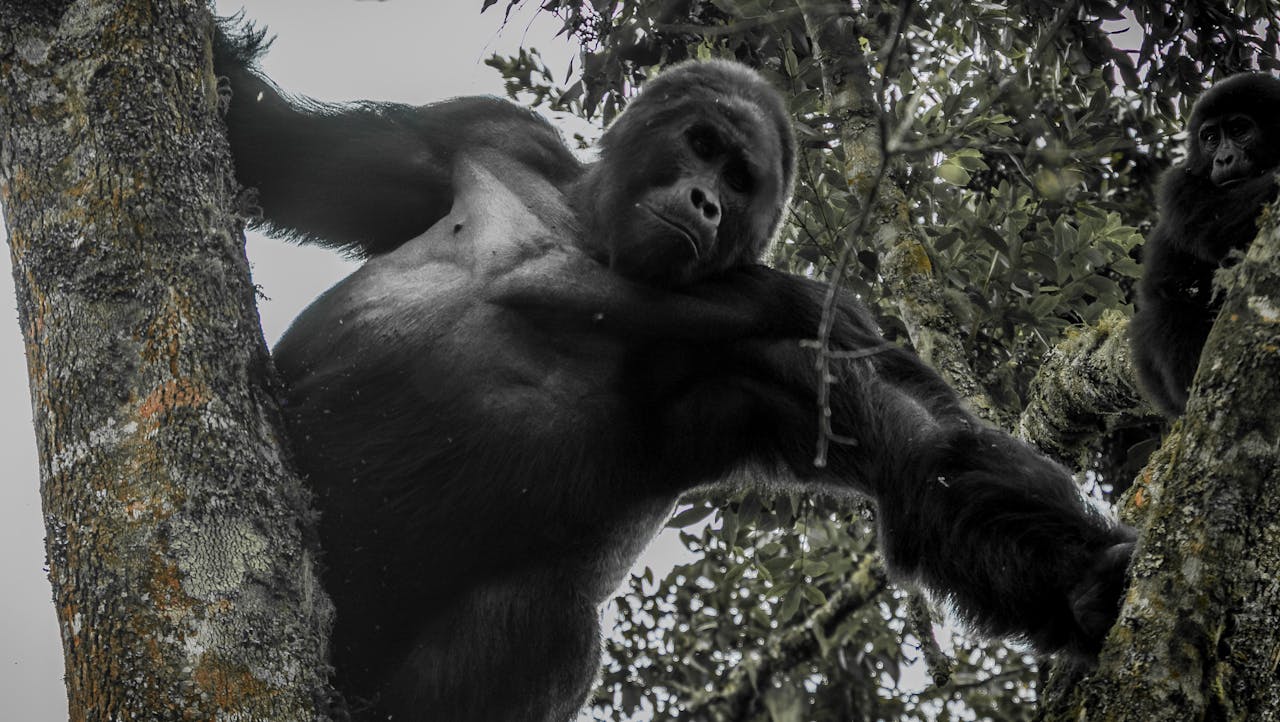
05 Feb Is Gorilla Trekking Safe? What Every Traveler Needs to Know About Seeing Gorillas in Uganda
If you’ve ever dreamed of seeing mountain gorillas in the wild, the question of safety probably comes to mind. Searching “is gorilla trekking safe” is natural after all, these are massive, powerful animals living in their natural habitat. The good news is that gorilla trekking in Uganda is remarkably safe, provided you follow the rules and travel with trained guides.
Uganda home to a rich diversity of wildlife, welcoming communities, and vibrant cultures, offers an authentic and inviting experience for every traveler.
Understanding why requires looking at how gorilla trekking is organized, what measures are in place to protect both visitors and gorillas, and what you can do as a responsible traveler to ensure a safe and unforgettable experience.
Introduction to Great Apes
Great apes are among the most fascinating and intelligent creatures on our planet, sharing a close evolutionary relationship with humans. This remarkable group includes gorillas, chimpanzees, orangutans, and bonobos—each with their own unique behaviors and social structures. Of these, mountain gorillas stand out as the largest and most endangered, belonging to the eastern gorilla species. These gentle giants inhabit the lush tropical forests of East Africa, with their strongholds in the Virunga Mountains and Bwindi Impenetrable National Park.
Mountain gorillas are not only a symbol of Africa’s rich biodiversity but also a testament to the importance of gorilla conservation. Organizations like the International Gorilla Conservation Programme have been instrumental in safeguarding these great apes and their habitats, ensuring that future generations can witness their majesty in the wild. Conservation efforts in these national parks are vital, as they protect both the gorillas and the intricate ecosystems of the tropical forests they call home.
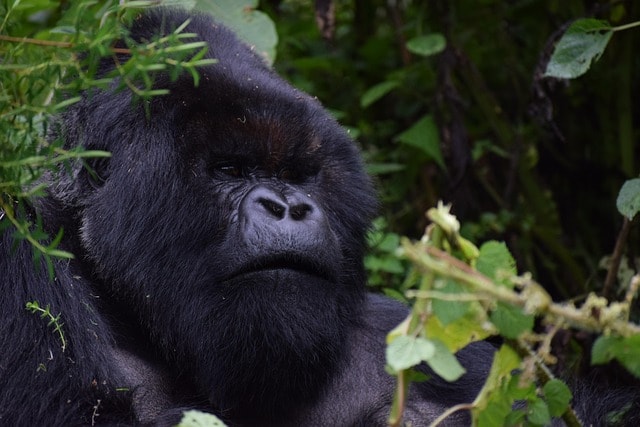
Why Gorilla Trekking in Bwindi Impenetrable National Park, Uganda, Is Considered Safe
Gorilla trekking in Uganda, especially in parks like Bwindi Impenetrable National Park and Mgahinga Gorilla National Park, is highly regulated. Only trained guides and rangers accompany trekkers, and strict rules govern interactions with gorilla families. These rules are designed to minimize stress for the gorillas and protect visitors.
Some of the key safety factors include:
- Trained Guides and Park Rangers: Each trekking group is accompanied by an experienced guide and park ranger. They know the gorillas’ behavior, territory, and signals. Their expertise ensures that visitors remain at a safe distance and follow proper protocols.
- Limited Group Sizes: Only a small number of trekkers can visit each gorilla family per day. This prevents overcrowding, reduces stress on the animals, and allows guides to monitor safety closely.
- Strict Time Limits: Visitors usually spend no more than one hour with the gorillas. This short, controlled interaction keeps both humans and gorillas safe while preserving the quality of the experience.
- Clear Guidelines for Interaction: Visitors are instructed not to touch gorillas, avoid direct eye contact, maintain a safe distance, and stay calm. These guidelines minimize risks and ensure a peaceful encounter.
Additionally, park entry fees help fund conservation efforts and support community-based projects, fostering partnerships between protected area authorities and local communities for sustainable wildlife management.
Understanding Gorilla Behavior
A common concern for first-time trekkers is the gorillas themselves. After all, they are large, strong primates. The truth is that gorillas are generally gentle, curious, and non-aggressive toward humans if rules are followed.
Mountain gorillas live in stable gorilla groups with clear social hierarchies. These gorilla groups typically consist of a dominant silverback, several females, and their offspring. Dominant males (silverbacks) not only lead and protect the group but also attract females through their strength, social behavior, and ability to provide safety. They are intelligent and observant, and they recognize humans as separate and non-threatening when approached properly. Most gorilla interactions during treks are peaceful, with gorillas sometimes approaching out of curiosity, sitting nearby, or observing quietly. Gorillas rely on their social bonds and the protection of their group to safeguard their own life against threats in the wild.
Aggressive behavior toward humans is extremely rare, especially in habituated groups that are accustomed to guided visits. Rangers and guides are trained to read gorilla body language, which further ensures that any potential warning signs are addressed before they escalate.
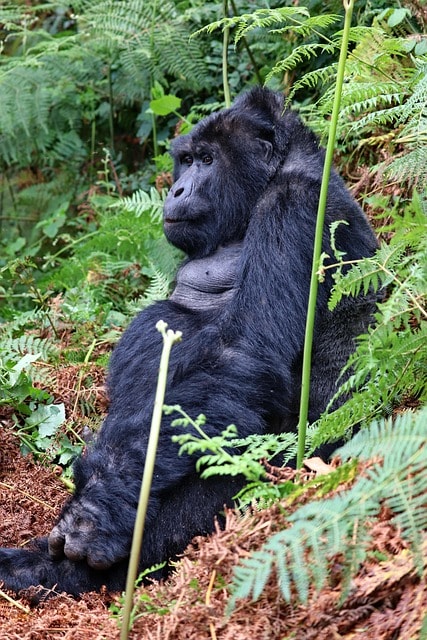
Health Safety During Gorilla Trekking
Health safety is another important consideration. Gorillas are highly susceptible to human diseases, including common colds and flu. To protect both you and the gorillas:
- Visitors are usually required to be in good health and free from contagious illnesses.
- Wearing face masks is often mandatory during close encounters.
- Hand sanitizer or disinfecting protocols are encouraged before entering the forest.
These measures protect the gorillas, reduce disease transmission risk, and ensure that your safari remains safe for everyone.
Physical Safety and Trekking Considerations
Gorilla trekking is a physical activity, and it can sometimes involve steep, muddy, or uneven terrain. While this might sound intimidating, with the right preparation, it is manageable for most healthy adults.
Tips to stay safe physically include:
- Wearing sturdy, closed shoes or hiking boots
- Carrying trekking poles if needed for balance
- Dressing in layers appropriate for forest conditions
- Staying hydrated and pacing yourself during the hike
Guides monitor trekkers’ physical safety closely. They adjust the pace based on the group and help navigate challenging terrain, making the trek accessible to many travelers, even those with moderate fitness levels.
What Makes Gorilla Trekking in Uganda Safe
Gorilla trekking in Uganda is structured and guided. In addition to its renowned national parks, Uganda also features wildlife reserves—key areas managed for conservation and tourism that play a vital role in protecting biodiversity and offering exceptional wildlife viewing opportunities. The combination of trained professionals, small groups, controlled access, and strict rules creates an environment where both humans and gorillas can enjoy a safe and enriching experience.
Visitors often remark that the guided nature of the trek not only improves safety but also enhances the experience. You’re able to focus entirely on observing the gorillas, learning about their behavior, and enjoying the lush rainforest environment without worrying about unexpected dangers.
Safety Precautions Every Traveler Should Follow
Even with all safety measures in place, your behavior matters. Here’s what responsible trekkers do:
- Book your gorilla trekking with a trusted tour company
- Follow your guide’s instructions at all times.
- Keep a safe distance from gorillas (usually around 7 meters / 23 feet).
- Do not touch or feed gorillas.
- Avoid loud noises or sudden movements.
- Stay calm if gorillas approach — they are curious, not aggressive.
- Ensure you are healthy and free of contagious illnesses.
By following these precautions, you contribute to the safety of yourself, your group, and the gorillas.
The Importance of Community Engagement
The future of mountain gorilla conservation is deeply intertwined with the well-being and involvement of local communities. People living near Bwindi Impenetrable National Park and the Virunga Mountains are essential partners in protecting gorilla populations and their habitats. By engaging local communities through employment opportunities, revenue sharing, and education, conservation efforts become more sustainable and effective.
The Uganda Wildlife Authority and other organizations have pioneered community-based conservation programs that provide tangible benefits to local people, from jobs as park rangers and guides to support for schools and healthcare. These initiatives help reduce human-gorilla conflict, foster a sense of stewardship, and ensure that the value of conserving wildlife is shared by all. Community engagement not only strengthens gorilla conservation but also empowers local communities to protect their natural resources and build a brighter future alongside these magnificent animals.
The Verdict: Is Gorilla Trekking Safe?
Yes. Gorilla trekking in Uganda is safe, both for visitors and for the gorillas, when undertaken responsibly. The combination of professional guides, park rangers, strict protocols, and visitor awareness creates an environment where magical, life-changing encounters can happen without significant risk.
While trekking does require physical effort and some preparation, the rewards — observing gorillas in the wild, understanding their behavior, and supporting conservation — far outweigh the challenges. Most travelers leave the forest with stories of wonder, respect, and a sense of connection that lasts a lifetime.
Final Thoughts
As you plan your Uganda gorilla trekking adventure, remember that safety is built into every part of the experience. From permits to guided treks, health protocols to forest navigation, every detail is carefully considered. Your responsibility as a visitor — following instructions, respecting gorillas, and being mindful of health and fitness — completes this safety system.
Uganda is home to ten national parks, including Queen Elizabeth National Park, a top wildlife destination renowned for its tree-climbing lions, elephants, hippos, and crocodiles. Beyond gorilla trekking, visitors can enjoy a variety of activities such as white water rafting on the Nile and exploring the rainforests to see other primates like chimpanzees and golden monkeys. Tourism development in Uganda is focused on supporting conservation efforts and improving the livelihoods of local communities, ensuring that your journey contributes to both environmental protection and social well-being.
Ultimately, gorilla trekking is not just safe; it is an extraordinary opportunity to witness one of nature’s most remarkable creatures in their natural habitat. With preparation, respect, and guidance, your encounter with Uganda’s mountain gorillas will be both secure and unforgettable.

No Comments