

14 Apr Exploring Ethiopia: A Journey Through Its Rich Tribal Cultures and Time
Ethiopia is a land where history and culture intertwine seamlessly with breathtaking landscapes and ancient traditions. Beyond its stunning mountains, rivers, and historical landmarks, Ethiopia is home to some of the most diverse and vibrant tribal communities in Africa. Each tribe preserves unique languages, clothing, customs, and ways of life that have been passed down through generations. Ethiopia is also a populous country, ranking as the 14th-most populous in the world, which underscores its demographic significance in Africa. Traveling through Ethiopia is not merely sightseeing—it is stepping into living history, a journey into cultures that remain deeply connected to the land, the seasons, and each other.
The country’s cultural mosaic is particularly vivid in the Omo Valley, a region in southern Ethiopia where more than a dozen tribes coexist. From the Hamar to the Mursi, Karo to the Dassanech, each community offers travelers an opportunity to witness traditions that have endured centuries. Ethiopia is home to over 80 different ethnic groups, each with its own unique cultural practices and languages. These tribes live largely in harmony with their environment, practicing age-old customs that are both functional and symbolic. Their daily lives reflect a delicate balance of survival, art, and spiritual expression, creating a tapestry of culture that fascinates anthropologists, photographers, and travelers alike. Anatomically modern humans emerged from modern-day Ethiopia, making it a significant site in human evolution.
Ethiopia is also a global center of avian diversity, with more than 856 bird species recorded, including twenty that are endemic.
Introduction to Ethiopia
Ethiopia, officially the Federal Democratic Republic of Ethiopia, stands as a beacon of history and culture in the Horn of Africa. As one of the oldest nations in the world, Ethiopia’s story stretches back to the 8th century BC, weaving together ancient kingdoms, religious traditions, and a remarkable tapestry of languages and peoples. Today, the bustling capital of Addis Ababa serves as both the political and cultural heart of the country, reflecting Ethiopia’s dynamic blend of tradition and modernity.
Under the leadership of Prime Minister Abiy Ahmed, the Ethiopian government has embarked on ambitious reforms aimed at fostering rapid economic growth, advancing human rights, and strengthening Ethiopia’s role as a major power in East Africa. As a founding member of the African Union, Ethiopia is closely linked to regional diplomacy and development, shaping the future of the continent from its strategic position in the Horn of Africa. For travelers, Ethiopia offers not only a journey through breathtaking landscapes but also a chance to witness a nation at the crossroads of ancient heritage and contemporary transformation.
Geography and Climate: The Land that Shapes Culture
Ethiopia’s geography is as diverse as its people, stretching from the lush highlands of northern Ethiopia to the sun-baked plains of the southeast. The country is defined by dramatic contrasts—towering mountains, fertile valleys, and arid deserts—all of which have shaped the cultures and livelihoods of its inhabitants. The mighty Blue Nile River, originating in the Ethiopian highlands, carves its way through the landscape and feeds into the Grand Ethiopian Renaissance Dam, a symbol of the nation’s drive for progress and energy independence.
In southern Ethiopia, the Omo Valley stands out as a cradle of cultural diversity, where the land’s contours have nurtured unique tribal communities like the Mursi and Daasanach for centuries. The region’s climate varies from the cool, misty highlands to the hot, dry lowlands, influencing everything from agricultural practices to traditional architecture. Ethiopia’s varied terrain not only supports a rich array of wildlife and plant life but also provides the backdrop for some of Africa’s most enduring and vibrant cultures.
Natural Beauty: Ethiopia’s Breathtaking Landscapes
Ethiopia’s landscapes are nothing short of spectacular, offering a visual feast for travelers and nature lovers alike. From the jagged peaks of the Simien Mountains National Park to the surreal, otherworldly colors of the Danakil Depression, the country’s natural wonders are as diverse as they are awe-inspiring. The Omo Valley, with its rolling savannas and lush riverbanks, is a haven for both wildlife and people, while the Omo River itself is a vital artery, sustaining the communities that line its banks.
The river’s waters nourish crops, provide fish for local diets, and serve as a gathering place for daily life and ritual. The surrounding ecosystems—ranging from dense forests to open grasslands—support a remarkable variety of flora and fauna, making Ethiopia a destination for eco-tourists and adventurers seeking authentic encounters with Africa’s wild beauty. For the population living in these regions, the land is not just a backdrop but a living partner in their cultural and spiritual traditions.
The Hamar Tribe: Color, Ceremony, and Connection
Among the Omo Valley tribes, the Hamar are perhaps the most recognized for their elaborate cultural ceremonies and colorful attire. The Hamar people are pastoralists, moving their cattle herds across the region’s rugged landscapes. Cattle are central to their social and economic life, symbolizing wealth, status, and familial bonds.
One of the most striking Hamar traditions is the bull-jumping ceremony, which serves as a rite of passage for a young man in the tribe. This ritual, which involves leaping over a line of bulls to demonstrate courage and maturity, is more than a spectacle—it embodies the community’s values of bravery, respect, and social cohesion. This tradition is a key milestone for young men and is central to the identity of tribal people in the Omo Valley. Visitors witnessing this ceremony are given the rare opportunity to see a tradition that connects generations and maintains the fabric of Hamar society, often guided by a local young man who shares insights into the ceremony and its significance.
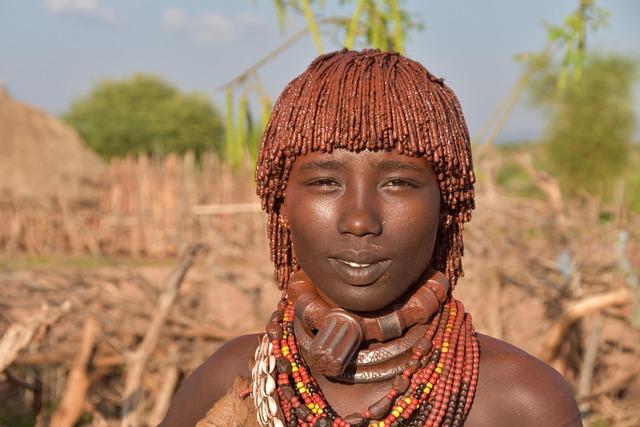
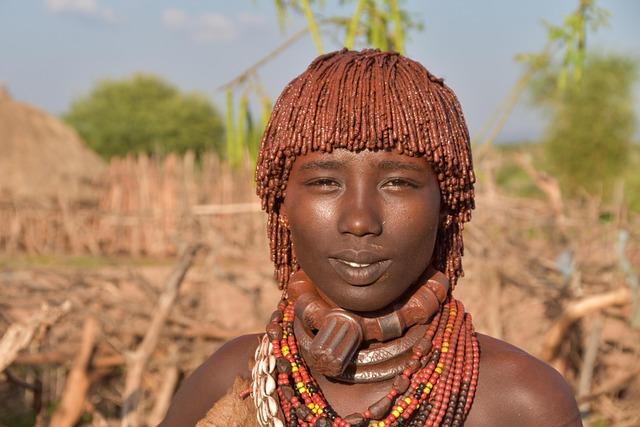
Hamar women are equally remarkable, adorned with intricately braided hair, beads, and ochre—a reddish clay that they rub into their skin. These adornments are not only decorative but carry cultural meaning, signaling age, marital status, and social position. Observing these traditions up close allows travelers to appreciate how culture is expressed through both action and appearance, and how identity is celebrated in every aspect of life.
Responsible tourism practices are essential in rural areas like the Omo Valley to ensure that visits benefit local communities and support the livelihoods and traditions of tribal people.
The Mursi Tribe: Iconic Lip Plates and Enduring Traditions
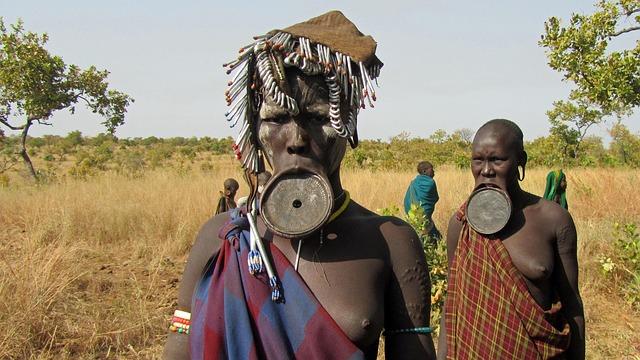
The Mursi people, also known as the Mursi tribe and located in the Omo Valley, are renowned for their striking cultural practices, particularly the lip plate tradition among women. This practice, where large clay or wooden plates are inserted into the lower lip, serves as a marker of beauty, status, and social identity. While it may appear unusual to outsiders, within the Mursi community, it is a respected cultural expression that has been maintained for centuries.
The Mursi tribe is especially known for its women who wear large lip plates, making them one of the most photographed tribes in the Omo Valley.
The Mursi are primarily cattle herders, and cattle remain the cornerstone of their economy and social structure. Social events, trade, and even marriage arrangements are often tied to livestock, reflecting the deep connection between the tribe and their environment. Photography enthusiasts and cultural travelers are drawn to the Mursi not for mere aesthetics but for the opportunity to witness a living culture that has resisted homogenization and continues to thrive in its traditional form.
Life in the Mursi villages is guided by the rhythms of nature. Seasonal changes dictate planting, herding, and community gatherings, illustrating a form of life that is both sustainable and spiritually grounded. Travelers often remark on the profound sense of harmony observed in Mursi daily life, where humans, animals, and the land exist in close and careful balance.
The Karo Tribe: Artistry in Flesh and Culture
The Karo people are famed for their intricate body painting, a practice that transforms the human body into a canvas of expression. Using white chalk, yellow ochre, and red pigments, Karo men and women create geometric patterns that celebrate rituals, festivals, and personal milestones. This art form is not merely decorative—it is deeply symbolic, reflecting social structures, spiritual beliefs, and the tribe’s intimate connection to the environment.
Karo body painting often accompanies significant events, such as marriage ceremonies or communal gatherings, turning these occasions into visually stunning displays of culture. Visitors have the rare opportunity to observe the preparation, application, and significance of these designs, gaining insight into the artistry and meaning behind every line, shape, and color.
Like many Omo Valley tribes, the Karo are pastoralists, relying on cattle as both sustenance and social currency. However, their identity is equally tied to their artistic traditions, which serve as a living record of their history and values. By immersing in Karo culture, travelers experience a society where art and life are inseparable, and where beauty is measured not only in physical adornment but in the preservation of ancestral knowledge.
Dassanech and Arbore: Resilience Along the Omo River
In the lower Omo Valley, tribes like the Daasanach tribe, Dassanech, and Arbore demonstrate resilience in some of the region’s most arid environments. These communities have adapted to life along the Omo River, relying on fishing, small-scale agriculture, and livestock to survive. Their culture reflects adaptability, resourcefulness, and communal solidarity.
The Omo Valley is home to more than 20 different ethnic tribes.
Visitors to these tribes witness traditional fishing methods, intricate weaving, and local ceremonies that celebrate seasonal cycles and harvests. The Daasanach tribe’s villages are located near Omorate, close to the Kenyan border, making them accessible for day trips and cultural visits. The Dassanech and Arbore exemplify how culture can be both functional and ceremonial, where everyday practices are interwoven with rituals that reinforce social cohesion and respect for the natural world.
The hospitality of these tribes is legendary. Travelers are often welcomed into homes, offered meals, and invited to participate in traditional dances and songs. These interactions provide an intimate view of a culture that thrives not by isolation but by deep community ties and a profound understanding of their environment.
Traditional Music and Dance: The Rhythm of Tribal Life
Music and dance are the heartbeat of Ethiopian culture, echoing through every region and tribe with distinctive rhythms and styles. In the Omo Valley, the Hamar tribe’s legendary bull jumping ceremony is not only a test of courage for young men but also a vibrant celebration filled with song, drumming, and communal dance. The energy and emotion of these performances draw the entire community together, reinforcing bonds and marking important milestones in tribal life.
The Mursi tribe, renowned for their striking lip plates, also express their identity through music and colorful attire. Women don elaborate beadwork and fabrics, moving gracefully to the rhythms of traditional songs that tell stories of ancestry, love, and the land. Across Ethiopia, music and dance are more than entertainment—they are living traditions that connect generations, celebrate resilience, and express the soul of the Ethiopian people.
Local Cuisine: Flavors of Ethiopia’s Heartlands
Ethiopian cuisine is a feast for the senses, celebrated for its bold flavors, aromatic spices, and communal dining traditions. At the heart of every meal is injera, a soft, tangy flatbread made from teff flour, which serves as both plate and utensil for scooping up rich stews known as wats. These stews, simmered with meat, vegetables, and a medley of spices, reflect the bounty and diversity of the country’s agricultural products.
Among the Hamar tribe, chechebsa—a hearty dish of roasted barley flour mixed with spices—is a staple, often enjoyed with spicy stews that warm the soul. The Mursi tribe favors marqa, a savory preparation of roasted meat accompanied by fresh vegetables, showcasing the resourcefulness and creativity of rural Ethiopian cooking. The country’s fertile soils yield an abundance of fruits and vegetables, from juicy mangoes and papayas to creamy avocados, adding vibrant color and nutrition to every table. For visitors, sharing a meal in Ethiopia is more than sustenance—it is an invitation into the heart of a culture where hospitality and tradition are always on the menu.

Cultural Festivals: Windows into Ethiopian Heritage
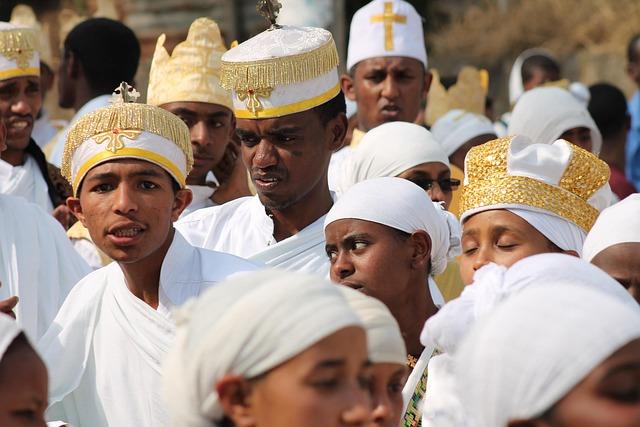
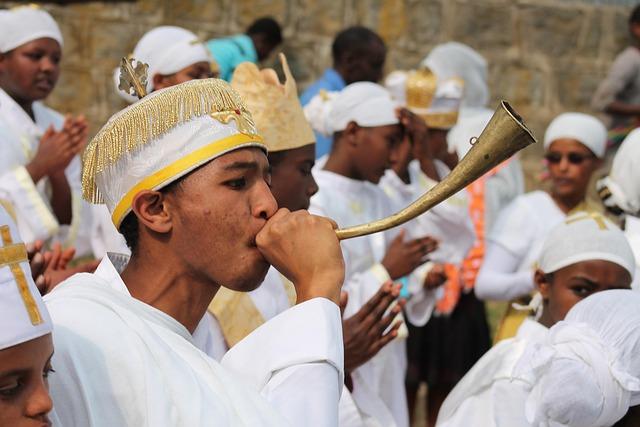
Ethiopia’s tribal diversity extends beyond the Omo Valley into the highlands and northern regions, where festivals and cultural events offer glimpses into centuries-old traditions. Events such as the Timkat (Epiphany) Festival in the north showcase religious devotion, music, and communal celebration, reflecting the fusion of faith and culture unique to Ethiopia.
In the south, annual tribal gatherings bring multiple communities together, allowing for competition in dance, song, and athletic prowess. These events are not merely for entertainment—they serve as rites of passage, platforms for social negotiation, and occasions for reinforcing alliances. Attending these festivals gives travelers a rare opportunity to see the dynamic, living culture of Ethiopia, where history is celebrated actively, not merely preserved in museums.
Ethiopia’s Cultural Significance in Africa
Ethiopia stands out in Africa for its uninterrupted human history, linguistic diversity, and cultural richness. Home to more than 80 ethnic groups and over 90 languages, the country is a vibrant tapestry of human experience. Each tribe contributes to Ethiopia’s national identity while maintaining unique traditions, rituals, and social structures.
Many Ethiopians continue to adapt to modern challenges while preserving their cultural heritage.
Understanding Ethiopia’s tribes provides a lens into the country’s resilience and innovation. While many communities continue traditional practices, they also adapt to modern challenges, balancing heritage with sustainability. Travelers exploring these cultures gain perspective not only on Ethiopian history but on the broader story of Africa—of civilizations that evolved independently, maintained complex social systems, and continue to thrive despite global pressures.
Ethiopia also has a rich tradition of music, art, and literature that reflects its diverse cultural heritage.
Why Experiencing Tribal Culture Matters
Travelers who venture into Ethiopia’s tribal regions leave with more than photographs—they carry understanding, empathy, and a profound sense of connection. Witnessing tribal ceremonies, observing daily life, and interacting respectfully with communities fosters awareness of diverse ways of life and strengthens appreciation for cultural heritage.
Unlike tourist-focused attractions, Ethiopia’s tribal regions offer authentic engagement. Visitors do not merely observe; they participate in experiences shaped by centuries of tradition. This connection deepens travel beyond sightseeing into a transformative journey, one that broadens perspective, challenges assumptions, and celebrates the richness of human diversity.

No Comments