

16 Apr Ethiopian Coffee: A Colorful Celebration of Ethiopian Coffee Culture, Faith, and Heritage
Ethiopia is a land of extraordinary history, diverse cultures, and spiritual depth. Often referred to as ‘the cradle of humanity’ due to its significant archaeological findings, Ethiopia is where anatomically modern humans emerged, with some of the oldest hominid fossils discovered in the region. Its festivals are not merely dates on a calendar—they are living expressions of identity, faith, and tradition that have endured for centuries. Traveling through Ethiopia during these vibrant celebrations offers a rare glimpse into the heart of the nation, where music, dance, ritual, and communal spirit converge in moments of beauty, devotion, and joy. From ancient Orthodox Christian observances to tribal ceremonies in the Omo Valley, Ethiopian festivals are as varied as the landscapes they grace, each offering unique experiences that linger in memory long after the final drumbeat fades.
What sets Ethiopian festivals apart is their authenticity. Ethiopia is a multi-ethnic state with over 80 distinct ethnic groups, the largest being the Oromo, Amhara, Somali, and Tigray. Unlike many tourist-centered events elsewhere, these celebrations remain deeply rooted in community, faith, and heritage. The country’s cultural heritage and landscapes are shaped by the diversity of its regions, including southern Ethiopia’s Lower Omo Valley, the historical significance of northern Ethiopia, and the contrasting eastern highlands and eastern lowlands. Ethiopia also shares a long border and intertwined history with Eritrea, with events such as the Battle of Adwa and the struggle for Eritrean independence marking significant chapters in both nations’ pasts. Whether witnessing the colorful Timkat procession in Gondar, dancing alongside the Hamer tribe in the Omo Valley, or joining the faithful in Lalibela during Meskel, travelers become part of something much larger—a story of continuity, resilience, and identity that spans centuries. Ethiopia is also home to a remarkable array of endemic and threatened species, and its linguistic diversity is equally impressive, with each ethnic group often having its own language. Amharic is the official working language of Ethiopia and serves as the primary language of instruction in schools, reflecting its deep cultural significance.
Religion plays a central role in shaping Ethiopian festivals, with Christianity, Islam, and traditional beliefs all influencing the country’s celebrations. The unique traditions found in different regions—such as the north, south, and valleys—add further depth to the festival experience, reflecting the rich tapestry of Ethiopian society.
Introduction to Ethiopian Festivals
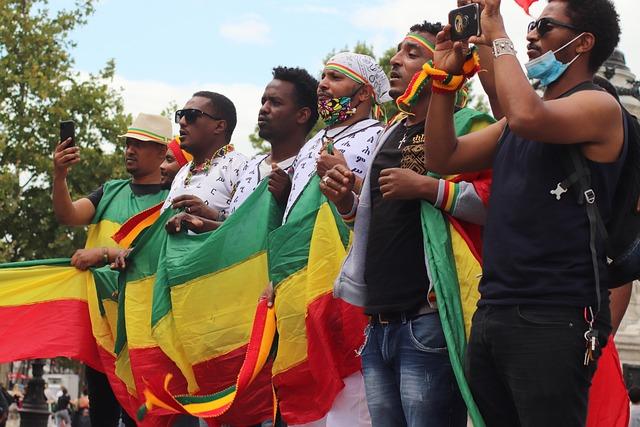
Ethiopia, nestled in the Horn of Africa, is a nation where ancient traditions and vibrant modernity coexist in harmony. With over 80 distinct ethnic groups, the country’s cultural heritage is as diverse as its landscapes—from the lush highlands where the majority of the population resides, to the wild beauty of southern Ethiopia’s Lower Omo Valley, home to endemic and threatened species. Ethiopia is renowned for its endemic species, such as the Ethiopian wolf and Gelada monkeys, which are found nowhere else in the world and are vital to the country’s biodiversity and natural heritage. This diversity is reflected in the nation’s festivals, which are woven into the fabric of daily life and celebrated with a passion that captivates visitors from around the world.
At the heart of Ethiopian celebrations are music, dance, and traditional dress, each expressing the unique identity of the country’s people. In bustling Addis Ababa, the capital city and cultural epicenter, festivals bring together communities with lively brass bands, folk songs, and colorful processions. Across the valleys and mountains, the aroma of Ethiopian coffee—renowned globally for its rich, complex flavor—mingles with the sounds of traditional music, creating an atmosphere that is both festive and deeply rooted in heritage.
The Blue Nile River, a lifeline for agriculture and food security, flows through regions where festivals mark the rhythms of the seasons and the cycles of life. Ethiopian Muslims, Orthodox Christians, and followers of indigenous faiths all contribute to the nation’s vibrant festival calendar, fostering unity and mutual respect. Whether in the remote villages of the south or the historic towns of the north, these celebrations showcase the best of Ethiopian food, music, and communal spirit. Most Ethiopians enjoy sharing meals from a single platter, reflecting a strong tradition of communal eating and hospitality that is central to daily life.
Ethiopia’s strategic position in East Africa has shaped its culture, blending African, Arab, and European influences into a unique national identity. Festivals here are more than events—they are living expressions of a country that honors its past while embracing the world, inviting travelers to experience the beauty, resilience, and creativity that define Ethiopian culture. Ethiopia is also recognized as a world-class birding destination, with over 856 bird species recorded, including many endemic species. Additionally, the Ethiopian calendar is approximately seven to eight years behind the Gregorian calendar, with its New Year celebrated in September.
Timkat: The Epiphany Celebration
Among Ethiopia’s most famous and visually stunning festivals is Timkat, the Ethiopian Orthodox Christian celebration of Epiphany. Timkat commemorates the baptism of Jesus Christ in the River Jordan, and its observance is marked by elaborate ceremonies, processions, and communal gatherings. These ceremonies often take the form of processions, blessings, and communal gatherings, highlighting the structured and symbolic nature of the rituals. Timkat typically occurs on January 19th (or 20th in a leap year), transforming cities, with a special emphasis on towns and rural villages, into vibrant stages of devotion.
The festival is characterized by priests in colorful robes carrying Tabots, sacred replicas of the Ark of the Covenant, through streets filled with singing, dancing, and drumming. The Tabots are housed in churches and taken to bodies of water, where the faithful gather for ceremonial blessings and ritual immersions. Religion plays a central role in shaping the rituals and meaning of Timkat, with the festival reflecting the deep influence of Christianity and traditional beliefs on Ethiopian culture. Participation in many Timkat events is free and open to all, emphasizing the inclusive nature of the festival. For travelers, witnessing Timkat is like stepping into a living painting—an explosion of color, movement, and emotion that connects participants with centuries of spiritual tradition. Timkat is recognized by UNESCO as part of the Intangible Cultural Heritage of Humanity.
One of the most spectacular locations for Timkat is Gondar, where the ancient castles and stone churches provide a dramatic backdrop for processions and celebrations. Visitors find themselves swept up in the rhythm of drums, chants, and the joyous energy of the crowd, all while observing deeply spiritual practices that have shaped Ethiopian identity for generations. Timkat is not just a festival; it is a profound display of faith, community, and national pride.
Meskel: The Festival of the True Cross
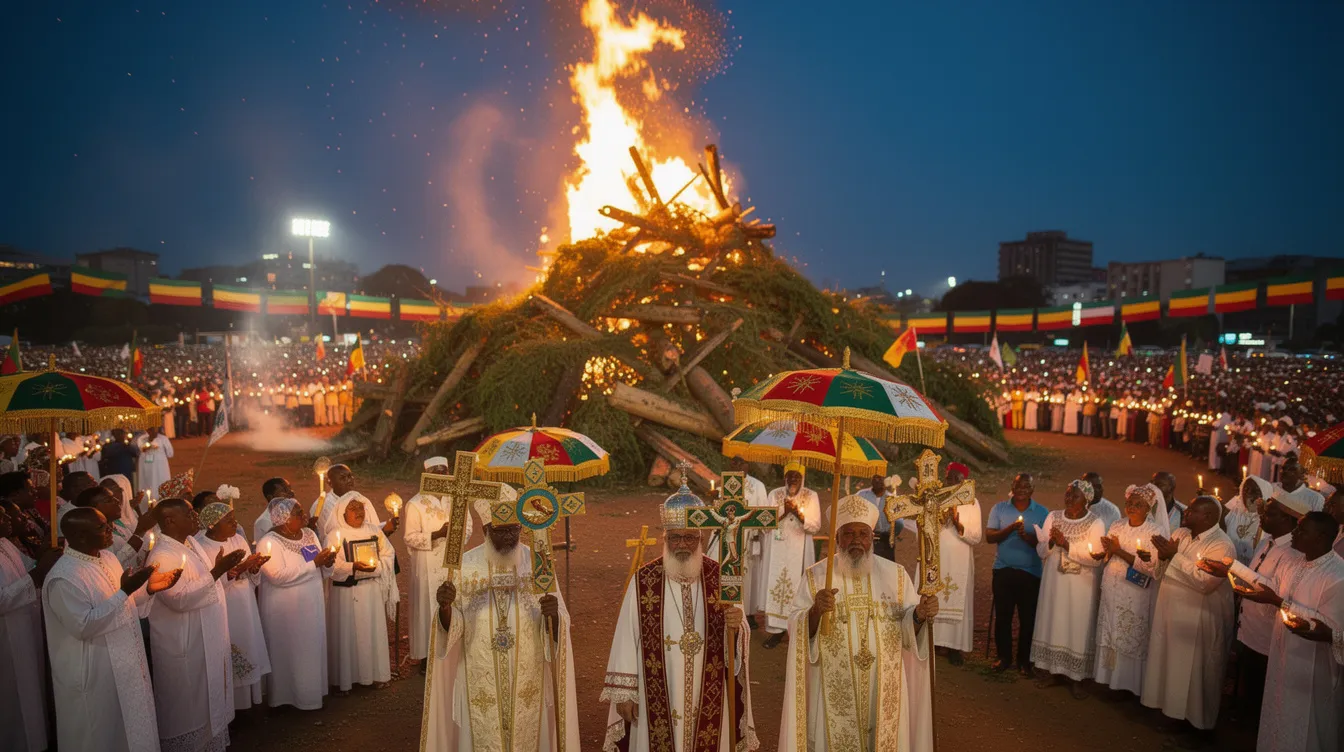
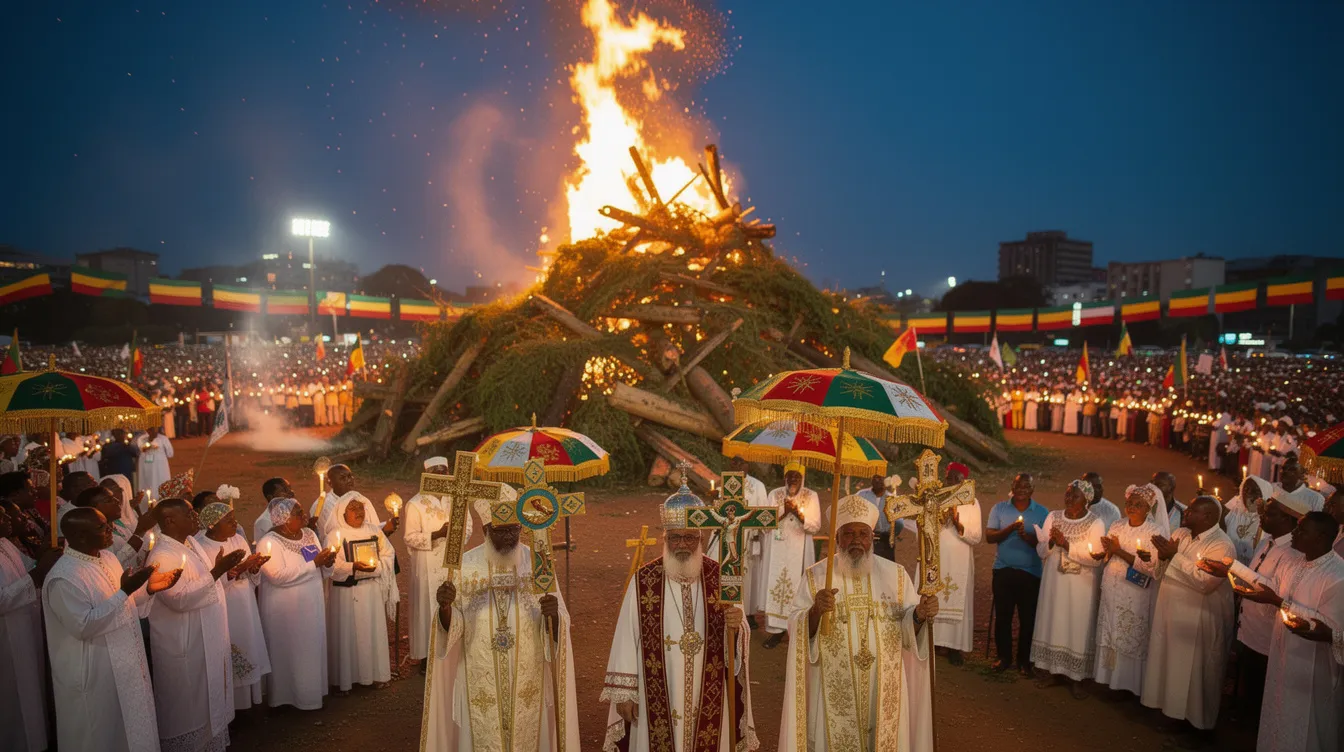
Another cornerstone of Ethiopian Orthodox tradition is Meskel, celebrated annually on September 27th. This festival commemorates the discovery of the True Cross by Empress Helena in the fourth century and is marked by grand bonfires, known as Demera, and communal gatherings. Christianity was officially adopted in Ethiopia in 330 AD, making it one of the first countries to do so, which provides important historical context for Meskel. The bonfires, sometimes reaching several meters high, are adorned with flowers and crossed sticks, symbolizing the triumph of Christianity and the illumination of truth. Meskel holds deep religious significance, reflecting the central role of religion in Ethiopian culture and the enduring influence of Christianity on the nation’s identity.
Communities gather around the flames, singing, dancing, and sharing food in a display of joy and togetherness. The Demera bonfires take the form of symbolic rituals, representing the light of faith and the unity of the community. In Addis Ababa, the celebration at Meskel Square draws thousands, with the air thick with incense, vibrant costumes, and the crackle of fire. In smaller towns, the festival takes on a more intimate character, with each town showcasing its unique traditions and local spirit, but the energy remains equally captivating. For travelers, Meskel provides insight into Ethiopia’s religious devotion, cultural expression, and the enduring significance of Christian heritage in everyday life.
Irreecha: Thanksgiving in Oromia
Not all Ethiopian festivals are religious in the Orthodox sense. Among the Oromo people—the largest ethnic group in Ethiopia, who speak the Oromo language—the Irreecha festival serves as a time of thanksgiving, marking the end of the rainy season and the arrival of spring. Irreecha also marks the beginning of the dry season, which lasts from October to February. Held at sacred sites near lakes, rivers, and hills, Irreecha is a celebration of nature, community, and gratitude. Participants wear traditional clothing, carry fresh grass and flowers, and dance to the rhythms of drums and flutes.
Irreecha reflects the indigenous religion and belief systems of the Oromo. The thanksgiving rituals take the form of dances, prayers, and offerings, emphasizing the structure and significance of these cultural expressions. It is a festival that emphasizes connection—to ancestors, the environment, and each other. The largest celebrations occur at Lake Hora in Bishoftu, where tens of thousands gather to sing, pray, and immerse themselves in the spiritual energy of the season. Travelers who attend Irreecha gain an authentic understanding of Ethiopian indigenous belief systems, the significance of nature in local cosmology, and the joy of collective celebration.
Omo Valley Tribal Festivals of Southern Ethiopia
Ethiopia’s tribal regions, particularly the Omo Valley, host festivals that are as ancient as the communities themselves. This region is home to many distinct ethnic groups, each with unique languages and traditions. These events are deeply tied to agriculture, rites of passage, and communal identity. Among the Hamer ethnic group, for example, the Bull-Jumping Ceremony marks the transition of young men into adulthood and is renowned for the tribe’s distinctive body adornments. The ceremony takes the form of a rite of passage, involving specific rituals and community participation that structure the event. The ritual is both a social and spiritual event, with the entire community participating in singing, dancing, and blessing the initiates.
Other tribes, such as the Karo, Dassanech, and Mursi, hold festivals tied to seasonal cycles, harvests, or significant life events. Intricate body art—including body painting and ornamentation—is a central feature, especially among the Dassanech, where it reflects cultural identity and social symbolism. The Mursi ethnic group is known for the large lip plates worn by women, considered a sign of beauty and maturity. The Dassanech are famous for their unique lip plates and elaborate body art, while the Banna ethnic group is recognized for their stilt walking, a significant part of their ceremonies. The Ari tribe, the largest in the region with a population of around 120,000, is known for its vibrant culture near Jinka. The Dorze people create beehive-shaped huts that can last over 50 years, showcasing their renowned weaving skills. The Konso ethnic group is recognized for their sustainable agricultural practices and for creating intricate stone monuments called ‘waka’ to honor their ancestors. Unlike festivals in urban centers, Omo Valley celebrations are intimate, participatory, and deeply tied to survival and identity, offering insights into human adaptation and cultural resilience.
Gena: Ethiopian Christmas
Ethiopia celebrates Christmas, known locally as Gena, on January 7th according to the Julian calendar. Unlike the commercialized celebrations seen in other parts of the world, Gena retains a strong focus on community, faith, and ritual, with deep religious significance rooted in Ethiopia’s rich Christian traditions. The day begins with early morning church services, often in stone or thatched churches, followed by traditional games, feasting, and music.
Rural communities celebrate with local foods, communal gatherings, and festive attire, while in urban centers such as Addis Ababa, church services attract large congregations who participate in processions and singing. In some communities, free meals are provided to the less fortunate during Gena, reflecting the festival’s spirit of generosity and inclusivity. Different regions and towns, such as the Tigray Region or the town of Jinka, have their own unique ways of celebrating Gena, reflecting Ethiopia’s diverse cultural landscape. For travelers, experiencing Gena provides a window into the spiritual heartbeat of Ethiopia, showcasing devotion, hospitality, and the blending of ancient rituals with contemporary life.
Enkutatash: Ethiopian New Year
Ethiopia’s New Year, Enkutatash, occurs on September 11th (or 12th in a leap year) and coincides with the end of the rainy season. The festival celebrates both the agricultural renewal and the legendary return of Queen Sheba from her visit to King Solomon. Enkutatash is marked by flowers, songs, and joyful gatherings, with children often presenting small bouquets or gifts to elders as a sign of respect.
In cities and towns, markets overflow with colors, music fills the air, and families come together to share meals and blessings. Travelers visiting during Enkutatash witness a blend of spiritual reverence and exuberant celebration, reflecting Ethiopia’s unique approach to marking time and honoring cultural heritage.
The Traditional Ethiopian Coffee Ceremony: Ritual, Symbolism, and Community
In Ethiopia, coffee is far more than a beverage—it is a living tradition, a symbol of hospitality, and a cornerstone of cultural heritage that unites communities across the highlands, valleys, and bustling cities. The traditional Ethiopian coffee ceremony is a ritual steeped in symbolism and social meaning, celebrated from the mountains of northern Ethiopia to the vibrant towns of southern Ethiopia and the Lower Omo Valley. This ceremony is a sensory journey, where the aroma of freshly roasted beans mingles with the sounds of traditional music, laughter, and storytelling.
At the heart of the ceremony is the jebena, a graceful clay pot used to brew the coffee over an open flame. The host, often dressed in elegant traditional attire, carefully roasts green coffee beans, grinding them by hand and filling the air with a rich, earthy fragrance. Guests gather on low stools or cushions, sharing roasted barley, popcorn, or slices of injera as they await the first pour. The ceremony unfolds in three rounds—abol, tona, and baraka—each cup symbolizing deeper connection and blessing among those present.
In Addis Ababa, the capital city and cultural crossroads of Ethiopia, the coffee ceremony is both a cherished daily ritual and a highlight for visitors seeking to experience authentic Ethiopian hospitality. Cafés and restaurants across the city invite guests to witness the ceremony, often accompanied by the rhythms of brass bands or the melodies of traditional music. Here, the ceremony bridges the old and the new, connecting generations and cultures in a shared appreciation for Ethiopia’s most famous export.
The significance of the coffee ceremony extends beyond the city. In the highlands of northern Ethiopia, offering coffee is a gesture of respect and welcome, a tradition that has endured since the Middle Ages when kings and courtiers would gather to discuss matters of state over steaming cups. In the lush valleys nourished by the Blue Nile River, coffee cultivation supports millions of farmers and underpins food security, making Ethiopia one of the world’s leading coffee producers. The forests and fertile lands of the region not only yield exceptional coffee beans but also shelter endemic and threatened species, highlighting the delicate balance between tradition and conservation.
Southern Ethiopia, especially the Lower Omo Valley, brings its own vibrant flair to the coffee ceremony. Here, the ritual is woven into the fabric of community celebrations, weddings, and festivals. Ethnic groups such as the Hamer, Karo, and Dassanech incorporate the ceremony into gatherings marked by colorful body art, traditional dress, and spirited dance. The sharing of coffee becomes a moment of unity, where stories are exchanged and bonds are strengthened, transcending differences of language, religion, and background.
The coffee ceremony is a powerful symbol of Ethiopia’s religious and cultural diversity. Both Orthodox Christians and Ethiopian Muslims participate in the ritual, using it as a means to foster understanding and reinforce social ties. In regions bordering Kenya and South Sudan, the ceremony has become a bridge between nations, reflecting the interconnectedness of East Africa’s peoples and traditions.
Yet, the ceremony is not without its challenges. Ethiopia’s forests, vital for coffee cultivation and home to unique wildlife such as the Ethiopian wolf and gelada baboon, face threats from deforestation and climate change. Despite these pressures, the coffee ceremony endures as a testament to the resilience and creativity of Ethiopian culture—a ritual that honors the land, celebrates community, and preserves a way of life for future generations.
For travelers, participating in a traditional Ethiopian coffee ceremony is an invitation to slow down, savor the moment, and connect with the soul of a nation. Whether in a bustling café in Addis Ababa, a mountain village in northern Ethiopia, or a riverside gathering in the south, the ceremony offers a window into the beauty, warmth, and enduring traditions of Ethiopia. It is an experience that lingers long after the last drop is savored—a celebration of culture, faith, and the simple joy of coming together over a cup of coffee.
Festivals as a Window into Ethiopian Identity
Ethiopia’s festivals are more than spectacles—they are living expressions of history, faith, and community. Each festival reflects the values, beliefs, and social structures of the people who celebrate it. The Ethiopian government actively supports the preservation and promotion of traditional festivals as part of its national cultural policy, recognizing their importance in maintaining cultural heritage. Many of these festivals have endured through periods of war and conflict, serving as powerful symbols of resilience and unity for communities across the country. Travelers gain insights into Ethiopian identity through rituals, costumes, songs, and dances that have been passed down through generations.
The interplay between religious, indigenous, and agricultural festivals illustrates Ethiopia’s cultural complexity. Orthodox Christian observances such as Timkat and Meskel coexist with indigenous celebrations like Irreecha, while tribal festivals in the Omo Valley highlight the continuity of ancient traditions. Together, these events provide travelers with a multidimensional understanding of Ethiopian society, showing how spirituality, ecology, and social life are deeply intertwined.
Tips for Experiencing Ethiopian Festivals
To fully appreciate Ethiopian festivals, travelers should approach with curiosity, respect, and preparation:
-
Plan Around Festival Dates – Many festivals are tied to religious or agricultural calendars; researching dates ensures you experience the celebrations in full.
-
Hire Local Guides – Guides provide context, navigate cultural protocols, help bridge language barriers, and offer insights into regional customs.
-
Dress Appropriately – Modest clothing is recommended, particularly for religious observances.
-
Participate Respectfully – Engage with music, dance, and rituals, but observe boundaries and always ask before photographing individuals.
-
Immerse in Local Cuisine – Festivals often feature traditional foods; sampling them is part of the cultural experience.
-
Look for Free Events – Many festival events and public celebrations are free to attend, making them accessible to all travelers.
Conclusion: Ethiopia’s Festivals as Cultural Treasures
Ethiopia’s festivals are extraordinary journeys into the heart of a nation where culture, faith, and history intersect. From the grandeur of Timkat and Meskel to the intimate tribal rituals of the Omo Valley and the joyful renewal of Enkutatash, these celebrations offer travelers rare access to living traditions that have shaped communities for centuries.
Ethiopia’s historical resilience is a source of national pride. Ethiopia produces world-renowned coffee, as well as other agricultural products that are vital to its economy and identity. During the Scramble for Africa, the two nations of Ethiopia and Italy clashed as the Italian government sought to expand its colonial empire. Under the leadership of Menelik II, Ethiopian troops demonstrated remarkable tactical skill and unity, defeating Italian forces at the Battle of Adwa in February 1896. This victory ensured Ethiopia’s continued independence, unlike neighboring Somalia and Eritrea, which experienced colonization.
For those seeking experiences that are authentic, vibrant, and transformative, Ethiopian festivals are unparalleled. They are not simply events to observe—they are invitations to connect, learn, and celebrate alongside communities whose traditions are as enduring as the landscapes they inhabit. Experiencing Ethiopia through its festivals leaves travelers with more than memories—it leaves understanding, respect, and a lasting appreciation for the richness of one of Africa’s most culturally diverse nations.

No Comments