

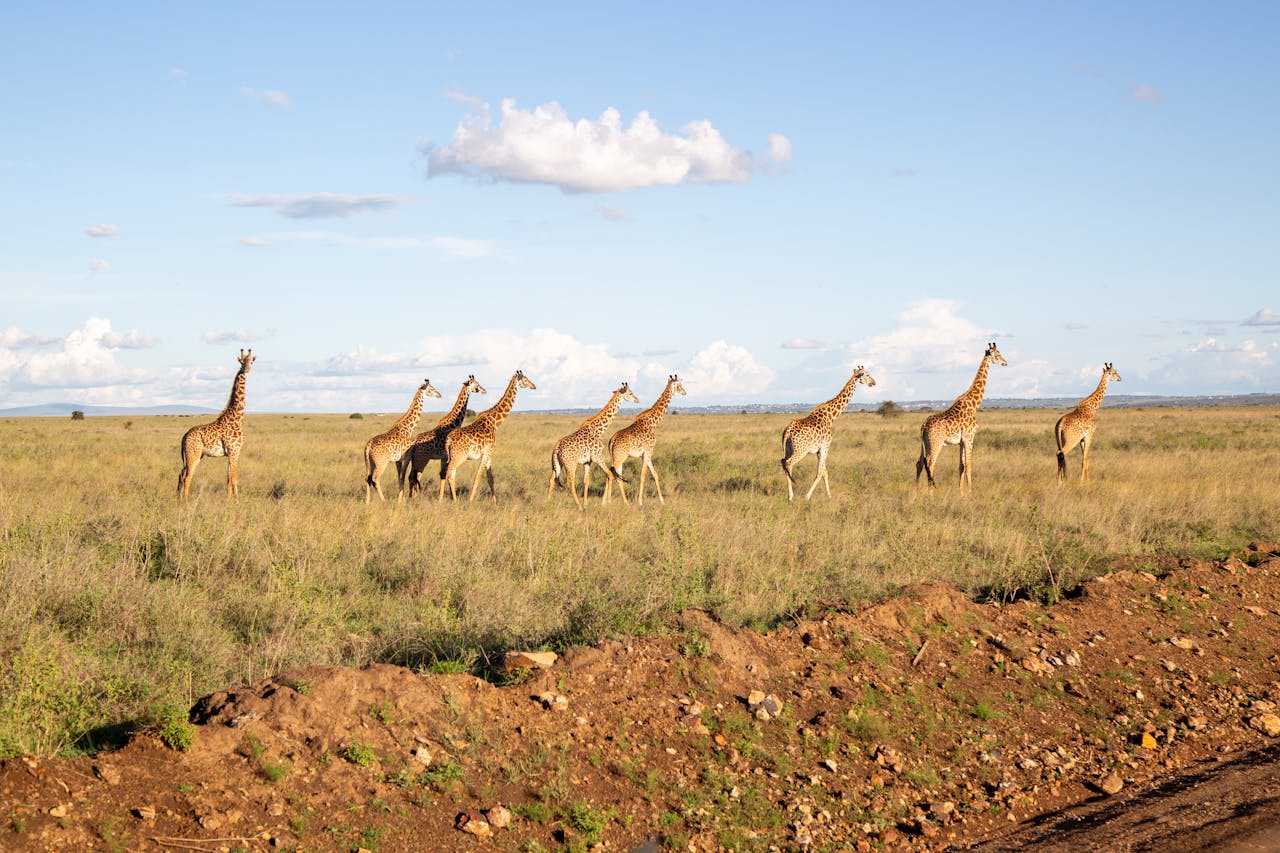
23 Dec Best Times to Visit Kenya
Best Times to Visit Kenya (Safari, Beaches & the Great Migration)
The best time to visit depends on your interests, whether it’s wildlife viewing during the dry season, witnessing the great migration in the Masai Mara National Reserve, or spotting newborn animals and migratory birds during the rainy season.
For world-class safari and the Great Migration’s river-crossing drama, the long dry season from late June to October offers unmatched wildlife viewing in the Maasai Mara National Reserve. If warm beach weather on the Kenyan coast is your priority, December through February brings hot, sunny days and calm seas along the Indian Ocean from Diani Beach to Watamu and Lamu.
Here’s the quick breakdown:
- Best for Great Migration & classic safari: Mid-July to late September in the Maasai Mara
- Best for quieter, good-value safaris: January–February and June
- Best for Indian Ocean beaches (Diani, Watamu, Lamu): December–March
Introduction to Visiting Kenya
Kenya is a land of stunning contrasts, where snow-capped mountains meet golden savannahs and the Indian Ocean’s turquoise waters. When you visit Kenya, you’ll find world-famous safari destinations, vibrant cities, and tranquil beaches.
Kenya’s national parks boast abundant wildlife, with the Masai Mara offering a classic African safari experience. Game drives, walking tours, and hot air balloon safaris immerse you in Kenya’s wild beauty. With so many options, the best time to visit truly depends on the adventure you seek.
Understanding Kenya’s Seasons & Climate
Kenya straddles the equator, travel planning revolves around dry vs rainy seasons and altitude differences. Altitude creates temperature contrasts: Nairobi and the central highlands experience cooler months with average daytime temperatures of 14-17°C, Maasai Mara maintains daytime temperatures between 17-29°C year-round, and coastal areas see daytime temperatures of 25-32°C with higher humidity.
Best Time to Visit Kenya by Season – Overview Table
Kenya’s Seasons and What to Expect
Kenya experiences four main seasons, each offering distinct weather conditions and wildlife experiences:
- Long Dry Season (June to October): This period features cool mornings and pleasant afternoons with minimal rainfall. It is the prime time for wildlife viewing as animals congregate around shrinking water sources. The Great Migration occurs from mid-July to early October, providing spectacular wildlife spectacles.
- Short Dry Season (Late December to February): Characterized by hot and mostly dry weather, this season offers excellent wildlife spotting opportunities with newborn animals attracting predators. It is also ideal for beach holidays along the Kenyan coast and trekking on Mount Kenya.
- Long Rains (Late March to May): Marked by the calving season when many animals give birth, this time is perfect for photography enthusiasts due to photogenic landscapes. Predators are active, taking advantage of the abundance of vulnerable young animals.
- Short Rains (November to Mid-December): This season brings short, lighter rains mainly in the afternoons. It offers good value travel with fewer crowds. Birdwatchers can enjoy exceptional sightings as migratory bird species arrive, and wildlife sightings remain strong.
ShorterMonth-by-Month Guide: When to Visit Kenya for Wildlife and Beach Highlights
January
A prime time for witnessing newborn animals across the Masai Mara National Reserve and other key parks, January is part of the breeding season. Predators are especially active as they take advantage of vulnerable young herbivores.
Birdwatchers can observe migratory birds in breeding plumage around Rift Valley lakes like Lake Nakuru. On the Kenyan coast, beach lovers enjoy warm, sunny days perfect for swimming and diving.
February
February continues the short dry season with excellent wildlife viewing. Elephant herds gather in Amboseli’s marshes, and predator-prey interactions are frequent due to shrinking water sources. Mount Kenya National Park offers clear trekking conditions. Coastal waters warm further, creating ideal conditions for scuba diving and spotting whale sharks near Shimoni.
July
July marks the thrilling start of the Great Wildebeest Migration’s arrival in the Maasai Mara. Witness dramatic river crossings over the crocodile-infested Mara River, with predators like crocodiles and big cats in prime hunting mode. Wildlife densities peak, offering exceptional game drives. Coastal areas are dry, though monsoon winds can make seas choppy.
August
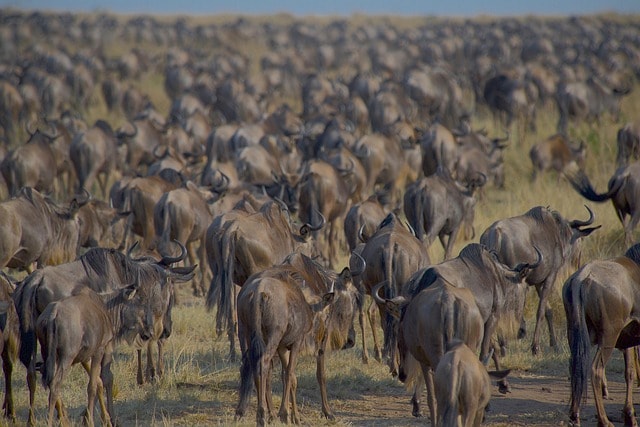
The height of the Great Migration, August is when the Mara Triangle hosts the most frequent and spectacular river crossings. The drama of wildebeest facing crocodiles draws crowds and photographers alike. Dry, cool weather ensures excellent safari conditions. Wildlife spotting is at its peak, with abundant predator activity.
September
September is considered the “sweet spot” for migration viewing; most herds remain in the Maasai Mara, but crowds and prices ease. River levels drop, improving views of crossings and predator hunts. Wildlife viewing extends across parks like Tsavo East and Samburu. It’s also an excellent time to combine safaris with Mount Kenya trekking and beach time along the Kenyan coast.
October
Early October still offers strong wildlife viewing and the tail end of the Great Migration, with herds crossing back to Tanzania. The short rainy season begins later in the month, bringing refreshing showers and vibrant green landscapes. Coastal areas remain warm and mostly sunny, ideal for beach activities and diving.
November
The short rains start. This month is prime for birdwatching as migratory bird species arrive in force, creating vibrant breeding displays. Parks are less crowded, offering a more intimate safari experience. Coastal waters warm, though visibility can vary.
December
December features prime birdwatching with resident, intra-African, and Palearctic migratory birds in breeding plumage. Newborn animals abound in parks, attracting predator activity. Coastal beach season begins mid-month with warm seas ideal for snorkeling and water sports. Holiday demand peaks, making it a lively time along the Kenyan coast.
Visiting Kenya During the Rainy Season – (bird life, fewer crowds in parks, perfect beach vacation)
While many travelers plan their Kenya safari around the dry months, visiting during the rainy season can be a rewarding and unique experience. The long rainy season, from March to May, and the short rainy season, from October to December, transform the landscape into a lush, green paradise.
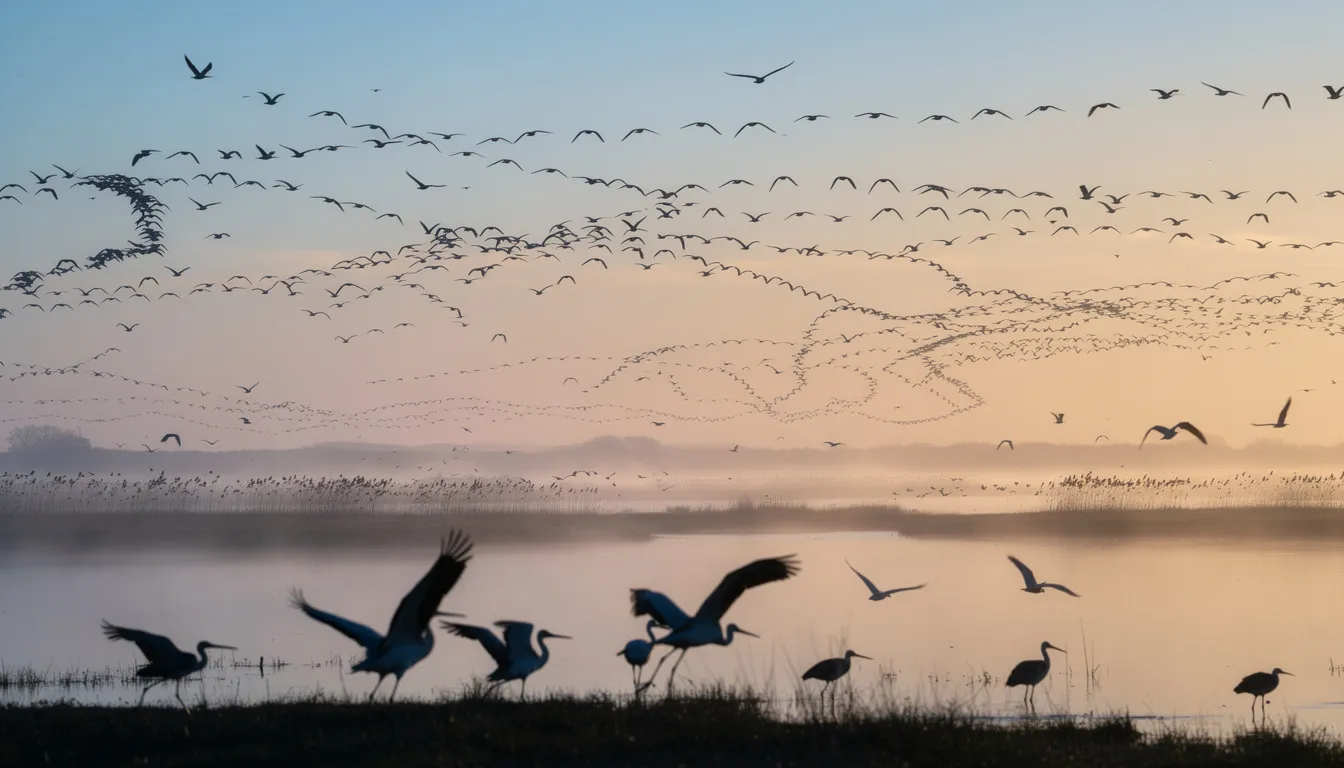
As the rainy season begins, migratory bird species arrive in spectacular numbers, making this a prime time for birdwatching enthusiasts. The parks are quieter, offering a less crowded Kenya safari and the chance to enjoy wildlife sightings without the bustle of peak season.
Along the Kenyan coast, the Indian Ocean remains warm and inviting, perfect for swimming and snorkeling even as showers pass through. In the highlands and mountains, the air can be crisp and cool, adding a refreshing twist to your adventure. If you’re seeking a different perspective on Kenya’s wild beauty, the rainy season is a time to embrace the unexpected.
Best Time by Interest
- Great Wildebeest Migration: Mid-July to late September in Maasai Mara for dramatic river crossings.
- Classic Big Five Safaris: June–October and January–February offer best game viewing in top safari destinations.
- Kenya Beaches: December–March for calm seas and warm water ideal for scuba diving.
- Mount Kenya Hiking: January, February, and September are best for firm trails and clear views.
- Northern Kenya: June to September is ideal for visiting northern Kenya, when unique wildlife like Grevy’s zebra and reticulated giraffe are easier to spot and the dry season brings clearer skies and better road conditions.
Choose the best tour company for your visit to Kenya
Selecting the ideal travel collaborator is key to unlocking the full magic of Kenya. Seek out organizations renowned for their intimate understanding of the region, exceptional guest care, and commitment to sustainable travel practices.
These experts curate bespoke journeys that capture the essence of Kenya’s wildlife spectacles, cultural richness, and stunning coastlines.
Top-rated providers offer comprehensive support, from initial planning to on-the-ground guidance, ensuring a smooth and personalized experience. Their connections grant access to exclusive lodges, knowledgeable guides, and authentic encounters, allowing you to savor every moment without worry.
Entrusting your trip to a distinguished travel specialist elevates your exploration, turning your Kenyan dream into a seamless and unforgettable reality.
Practical Tips
- Choose your visit based on priorities: migration, wildlife spotting, beaches, or hiking.
- Book early for peak migration season (July–September) to secure accommodations and safari tours.
- Shoulder seasons offer less crowded Kenya safari experiences.
- Pack layers for cool mornings and evenings during dry seasons.
- For a front row seat to the annual wildebeest migration, allocate several days in the Maasai Mara.
Ready to start planning your Kenya adventure? Match your must-have experiences, witnessing the great migration, exploring national parks like Amboseli and Nairobi National Park, hiking Mount Kenya National Park, or relaxing on the Kenyan coast to the best times of year.
Whether you seek a crowded Kenya safari or a less crowded Kenya safari, Kenya offers unforgettable experiences year-round. Use these tips to plan and book your dream safari in Kenya.
Conclusion
No matter when you choose to visit Kenya, you’ll be rewarded with unforgettable experiences and stunning natural beauty. The best time to visit Kenya depends on your personal interests, whether you’re drawn to the excitement of wildlife viewing during the dry season, the vibrant birdlife and newborn animals of the rainy season.
Kenya’s diverse landscapes, from sweeping savannahs to pristine beaches and dramatic mountains, offer something for every traveler. Start planning your Kenya safari today and discover why this remarkable country is a dream destination year round. Kenya is ready to welcome you.

Oliver
Posted at 19:58h, 23 DecemberGreat story and informative 👍
OLIVER RUMITI LUGALIA
Posted at 08:18h, 06 Januarythis is a great story and informative. Thanks for sharing