

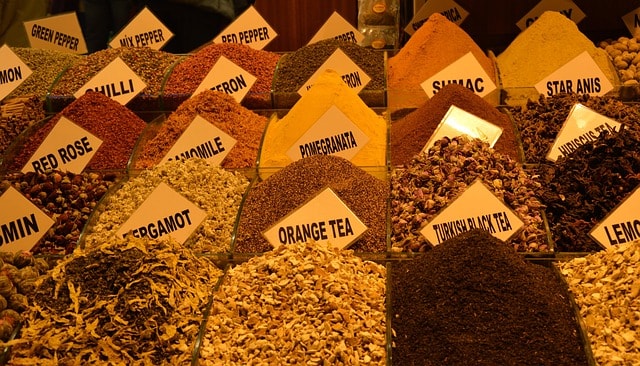
03 Mar Zanzibar Travel Guide: Best Things to Do, Where to Stay & How to Book Your Perfect Island Getaway
If you are dreaming of white-sand beaches, turquoise waters, spice-scented air, and rich Swahili culture, then Zanzibar should be at the top of your travel list. Located off the coast of Tanzania in the Indian Ocean, Zanzibar is one of Africa’s most breathtaking beach destinations — and the perfect complement to a safari in East Africa. As part of the African continent, Zanzibar and its neighboring Pemba Island are situated just a short distance from the mainland, sharing a deep historical and geological connection with East Africa.
Whether you are planning a romantic honeymoon, a family beach holiday, or a post-safari escape, this complete Zanzibar travel guide covers everything you need to know: the best things to do, when to visit, where to stay, how much it costs, and how to book your trip the right way.
Introduction to Zanzibar Island
Zanzibar Island, the largest in the Zanzibar Archipelago, is a jewel set in the Indian Ocean just off the coast of Tanzania. As a semi-autonomous region within the United Republic of Tanzania, Zanzibar Island offers a unique blend of African, Arab, and European influences that shape its vibrant local culture and rich history. Travelers are drawn to its beautiful beaches, where powdery white sands meet turquoise waters, and to the historic centre of Stone Town—a UNESCO World Heritage Site renowned for its winding alleys, bustling markets, and centuries-old architecture. Whether you’re looking to explore the island’s cultural heritage, relax on sun-drenched beaches, or sample the flavors of the sea, Zanzibar Island is an essential stop on any trip to Tanzania. With nearby Pemba and smaller islands to discover, the Zanzibar Archipelago promises endless opportunities for adventure and relaxation.
Geography and Climate of the Spice Island
Zanzibar Island, often called the Spice Island, is located about 22 miles off the coast of mainland Tanzania in the warm waters of the Indian Ocean. The island’s geography is defined by its stunning coastline, featuring beautiful beaches with powdery white sands and vibrant coral reefs that attract divers and snorkelers from around the world. The terrain is mostly low-lying and gently rolling, with the highest point reaching approximately 390 feet above sea level. Zanzibar enjoys a tropical climate, with two distinct rainy seasons: the short rains from October to December and the long rains from March to May. These seasonal patterns, combined with the island’s fertile soil, make it ideal for growing spices such as cloves, nutmeg, and cinnamon. Whether you’re visiting in the dry months or during the lush green of the rainy seasons, Zanzibar’s natural beauty and inviting sea make it a year-round destination for beach lovers and explorers alike.

History of Zanzibar as a British Protectorate
Zanzibar’s rich history is woven from centuries of trade, migration, and cultural exchange. Strategically located along ancient trade routes connecting the African mainland, Arabia, and the Middle East, the island became a thriving center for commerce and culture. In 1890, Zanzibar was declared a British protectorate, marking a new chapter in its history. During this period, the British played a pivotal role in abolishing the slave trade, which had long been a cornerstone of the island’s economy, and introduced new agricultural practices and industries. The legacy of this era can still be seen in the island’s architecture and institutions. Zanzibar gained independence from Great Britain in 1963 and, a year later, united with Tanganyika to form the United Republic of Tanzania. Today, Zanzibar is a semi-autonomous region with its own national assembly, preserving its distinct identity while remaining an integral part of Tanzania’s story.
Why Visit Zanzibar?
Zanzibar is not just about beaches — it is a cultural and historical gem with influences from Africa, Arabia, India, and Europe. Although often referred to as a country, Zanzibar is not an independent country but a semi-autonomous region of Tanzania, with its own unique political and administrative status within the union.
Here is what makes Zanzibar special:
-
Powdery white-sand beaches
-
Crystal-clear turquoise waters
-
World-class snorkeling and diving
-
Rich Swahili culture
-
UNESCO-listed historic sites
-
Fresh seafood and spice tours
It is also one of the easiest beach destinations to combine with a Tanzania safari in Serengeti or Ngorongoro.
Best Things to Do in Zanzibar
1. Explore Stone Town
No visit to Zanzibar is complete without walking through Stone Town, the cultural heart of the island and a UNESCO World Heritage Site. Stone Town is located within Zanzibar City, the island’s capital, largest city, and main administrative and economic center.
Here you will find:
-
Narrow winding streets
-
Intricately carved wooden doors
-
Arab-influenced architecture
-
Bustling markets
-
Historic landmarks
Zanzibar City serves as the capital and administrative center of the island, while Zanzibar Town is another name for the main urban area that encompasses Stone Town. Visit the Old Fort, the House of Wonders, and the former slave market to understand Zanzibar’s complex history. Guided walking tours are highly recommended to fully appreciate the island’s heritage.
2. Relax on Zanzibar’s Best Beaches
Zanzibar has some of Africa’s most beautiful beaches. The best areas depend on your travel style.
Nungwi & Kendwa (North Coast)Perfect for swimming at any time of day (minimal tidal changes). Ideal for luxury resorts and vibrant beach life.
Paje & Jambiani (East Coast)Known for kitesurfing, laid-back vibes, and stunning sunrise views.
North East CoastThe north east coast is renowned for its pristine beaches, crystal-clear waters, and a mix of lively and tranquil spots, making it a popular choice for both relaxation and water activities.
Michamvi PeninsulaQuieter and romantic — excellent for honeymooners.
Each beach offers soft white sand and warm Indian Ocean waters.
3. Snorkeling and Scuba Diving
Zanzibar is a paradise for marine lovers. Popular snorkeling and diving spots include:
-
Mnemba Atoll
-
Coral reefs off the north and east coasts
-
Dolphin excursions in Kizimkazi
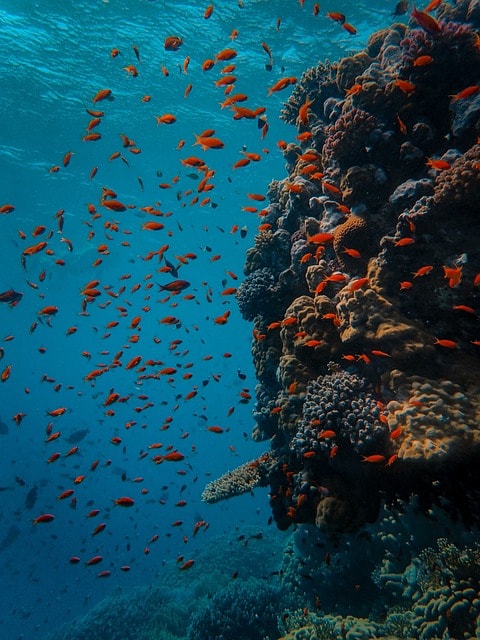
Expect to see tropical fish, sea turtles, colorful coral reefs, and occasionally dolphins. Both beginners and certified divers can find suitable dive sites.
4. Take a Spice Tour
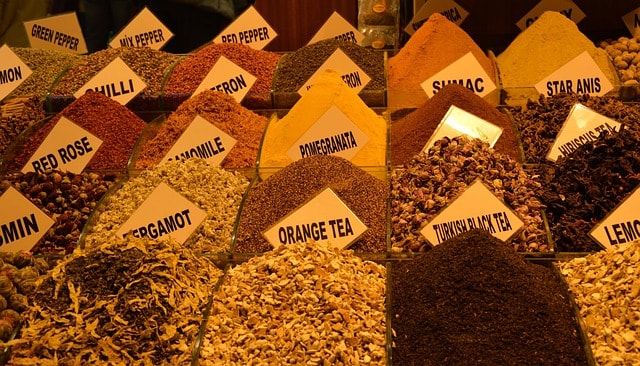
Zanzibar is famously known as the “Spice Island.” A spice farm tour allows you to see, smell, and taste cloves, cinnamon, nutmeg, vanilla, and cardamom growing naturally. In addition to cloves, Zanzibar is renowned for other spices such as pepper and ginger, reflecting its rich history as a center for diverse spice production.
These tours are educational, interactive, and perfect for understanding the island’s history in the global spice trade.
5. Visit Prison Island
A short boat ride from Stone Town takes you to Prison Island (Changuu Island), home to giant Aldabra tortoises. It is also a great place for snorkeling and relaxing by the sea.
6. Sunset Dhow Cruise
One of the most romantic experiences in Zanzibar is a sunset dhow cruise. Traditional wooden sailing boats glide across calm waters as the sky turns orange and pink. This is perfect for couples or special celebrations.
Best Time to Visit Zanzibar
Zanzibar is a year-round destination, but some months are better than others.
June to October (Dry Season)Cooler temperatures, sunny days, and ideal beach conditions. This is peak season.
NovemberShort rains begin in November, but showers are usually brief and the island remains lush. November also features local events such as the Mapinduzi Cup football tournament and the start of classes at the IIT Madras Zanzibar campus, making it a vibrant time to visit.
January to MarchHot and sunny — excellent for diving and beach relaxation.
April and May (Rainy Season)Heavy rains and some resorts close. Lower prices but less predictable weather.
If combining Zanzibar with a safari in Serengeti National Park, June to October is ideal for both destinations.
How Many Days Do You Need in Zanzibar?
For a beach extension after safari:
-
3–4 nights is ideal for relaxation.
-
5–7 nights if you want diving, cultural tours, and multiple excursions.
Many travelers combine 6–7 days safari with 4 nights in Zanzibar.
Where to Stay in Zanzibar
Zanzibar offers accommodations for every budget.
Luxury Resorts
Private villas, beachfront suites, infinity pools, spa services, and fine dining. Ideal for honeymooners and high-end travelers.
Mid-Range Hotels
Comfortable beachfront properties with great service and good value.
Boutique & Budget Lodges
Charming guesthouses and eco-lodges, especially in Paje and Jambiani.
The north coast (Nungwi & Kendwa) is best for consistent swimming and luxury options.
How Much Does a Zanzibar Trip Cost?
Costs vary depending on season and accommodation level.
Estimated daily cost per person:
-
Budget: $80–$150
-
Mid-range: $150–$350
-
Luxury: $400–$1,000+
This typically includes accommodation and breakfast. Activities like diving, boat trips, and tours cost extra.
If booking as part of a safari package, you may get better value through a combined itinerary.
How to Get to Zanzibar
You can reach Zanzibar by:
-
Domestic flight from Arusha or Serengeti
-
Domestic flight from Dar es Salaam
-
International flight directly to Abeid Amani Karume International Airport
Flights from safari destinations take approximately 1–2 hours.
How to Book a Zanzibar Trip
Booking correctly ensures a smooth experience. When planning your trip, consider Zanzibar, Tanzania—a popular travel destination known for its stunning beaches and rich culture—as part of your holiday options. CONTACT US TO BOOK YOUR ZANZIBAR VACATION!!
Option 1: Book directly with a Local Tour Operator
This is often the best way to combine safari and beach. A reputable East African operator can handle:
-
Safari planning
-
Internal flights
-
Zanzibar hotels
-
Transfers
-
Activities
This gives you one point of contact and coordinated logistics.
Option 2: Book Hotels and Activities Separately
You can book accommodations online and arrange tours locally. However, this requires more planning and coordination.
Option 3: Work with a Travel Specialist
Especially recommended for honeymooners or luxury travelers who want customized experiences.
Is Zanzibar Safe?
Yes, Zanzibar is generally safe for tourists. Like any destination:
-
Avoid walking alone late at night in quiet areas.
-
Dress modestly in Stone Town (it is culturally conservative).
-
Use reputable tour operators for excursions.
Tourism is a major industry, and visitors are warmly welcomed.
Travel Tips for Zanzibar
-
Currency: Tanzanian Shilling (USD widely accepted in hotels).
-
Language: Swahili and English.
-
Dress modestly in towns and villages.
-
Bring reef-safe sunscreen.
-
Respect local customs, especially during Ramadan.
Responsible Tourism in Zanzibar
Responsible tourism is key to preserving the unique culture and natural beauty of Zanzibar Island. As tourism is a major part of the local economy, travelers can make a positive impact by choosing to stay in locally-owned hotels, dining at family-run restaurants, and supporting artisans by purchasing handmade crafts. Respecting the island’s traditions—such as dressing modestly in public areas, removing shoes before entering homes or mosques, and being mindful of the environment—helps protect Zanzibar’s heritage for future generations. While Zanzibar is generally safe for tourists, it’s wise to take basic precautions, such as safeguarding valuables and being aware of your surroundings. By traveling responsibly, you not only ensure a safe and enjoyable trip but also contribute to the well-being of the island’s communities and the preservation of its vibrant culture.
Why Combine Safari and Zanzibar?
A safari offers adventure, wildlife, and early mornings. Zanzibar offers relaxation, beaches, and ocean breezes.
Together, they create the ultimate East Africa experience:
-
Witness lions in the Serengeti.
-
Relax on Zanzibar’s white-sand beaches.
-
Experience culture, cuisine, and nature in one journey.
Few destinations in the world offer this combination so seamlessly.
Beyond Zanzibar: Northern Tanzania
While Zanzibar Island is the perfect place to unwind on white sand beaches, northern Tanzania offers a world of adventure for those eager to explore more of Africa’s wonders. This region is home to some of the continent’s most iconic destinations, including the Serengeti National Park—famed for its spectacular wildlife and the annual Great Migration—and the Ngorongoro Conservation Area, a UNESCO World Heritage Site with breathtaking landscapes and abundant wildlife. The historic city of Arusha serves as the gateway to the northern safari circuit, offering a glimpse into Tanzania’s rich history and culture. For the truly adventurous, climbing Mount Kilimanjaro, Africa’s highest peak, is an unforgettable experience. Whether you’re seeking thrilling safaris, cultural encounters, or natural beauty, northern Tanzania is the perfect place to complement your visit to Zanzibar Island and create a truly memorable trip.
Final Thoughts: Is Zanzibar Worth It?
Absolutely.
Zanzibar blends tropical beauty with cultural depth. Whether you are snorkeling vibrant coral reefs, wandering through Stone Town’s historic alleys, or enjoying fresh seafood by the beach, the island offers something unforgettable for every traveler.
If you are planning an East Africa trip, adding Zanzibar transforms a great safari into a once-in-a-lifetime experience. CONTACT US TODAY

No Comments