

24 Feb Uganda vs Rwanda Gorilla Trekking
Which Is Better?
Few wildlife experiences on Earth feel truly sacred. Gorilla trekking is one of them.
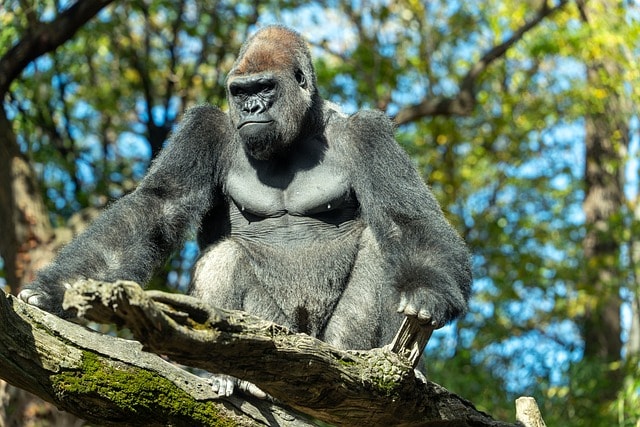
Imagine standing in a mist-covered rainforest. The air is thick with humidity. You hear branches crack. Leaves shift. Then suddenly — there they are. A massive silverback watching you calmly. Young gorillas tumbling through vines. A mother cradling her infant.
In that moment, it doesn’t matter whether you’re in Uganda or Rwanda. What truly matters is the profound connection you feel with these magnificent creatures—the mountain gorillas—who are oblivious to human borders and politics. Both countries offer the rare opportunity to witness these gentle giants in their natural habitat, surrounded by the lush tropical forests of East Africa.
Whether trekking through Uganda’s dense Bwindi Impenetrable Forest or Rwanda’s scenic Volcanoes National Park, the experience is equally transformative, filled with awe, respect, and a deep sense of conservation. The difference lies not in the gorillas themselves, but in the unique landscapes, cultures, and logistics that shape your journey to meet them.
Uganda is home to close to half of the world’s mountain gorilla population, making it a vital destination for conservation and wildlife enthusiasts.
And yet — if you’re planning this life-changing experience — the question matters a lot.
Uganda vs Rwanda gorilla trekking: which is better?
The truth is not as simple as one being “better.” It depends on the kind of traveler you are, the experience you want, your budget, your time, and even your personality. With a total population of just over 1,000 mountain gorillas worldwide, Uganda’s share is significant, as nearly half of these incredible primates are protected within its national parks.
Let’s walk through both — not as a checklist, but as a journey.
The Setting: Two Countries, One Mountain Gorilla Habitat
Both Uganda and Rwanda protect the same endangered species: the mountain gorilla. These gorillas live in the Virunga Mountains and Bwindi Impenetrable Forest — a transboundary ecosystem shared by Uganda, Rwanda, and the Democratic Republic of Congo. Mountain gorillas inhabit elevations ranging from 1,160m to 2,607m above sea level, and this altitude influences their feeding and movement patterns.
Rwanda’s trekking happens in Volcanoes National Park. Uganda’s trekking happens in Bwindi Impenetrable Forest and Mgahinga Gorilla National Park.
The gorillas are genetically the same species. The trekking rules are the same. You spend one magical hour with them. Groups are small (8 people max per gorilla family). Permits are required.
But the experience feels different.
Rwanda: Polished, Smooth, Effortless
Rwanda has built its tourism brand around gorilla trekking.
From the moment you land in Kigali, everything feels organized and efficient. Kigali International Airport is only about 2.5 hours from Volcanoes National Park. You could arrive in the morning and be trekking the next day.
Roads are smooth. Check-ins are streamlined. Lodges are modern and luxury-focused. The entire system feels refined.
Gorilla trekking in Rwanda is a remarkable experience available year-round, offering incredible encounters no matter when you visit. While the months from late June to August are often preferred due to favorable weather conditions that make tracking more comfortable, each season brings its own unique charm to Volcanoes National Park. Visit Rwanda to enjoy this unforgettable adventure any time of the year.
If you only have three or four days in East Africa and your main goal is gorillas, Rwanda is incredibly practical.
The park itself is stunning. The Virunga volcanoes rise dramatically through the clouds. The bamboo forests feel cinematic. It’s the kind of scenery that makes you stop mid-hike just to stare.
Trekking in Rwanda is often described as slightly more accessible. Some gorilla families are located on slopes that are easier to navigate compared to Bwindi’s dense jungle terrain.
Rwanda also positions itself as a high-end, conservation-driven destination. Gorilla permits are more expensive — intentionally so — as part of a strategy to promote low-volume, high-value tourism.
And that brings us to one of the biggest deciding factors.
Uganda: Wild, Raw, Deeply Immersive
Uganda offers a uniquely thrilling and immersive gorilla trekking experience.
In the heart of the magnificent Bwindi Impenetrable Forest, every step brings you closer to nature’s wonders. This ancient, lush forest is teeming with vibrant life and breathtaking beauty.
Here, the adventure is real and the connection to the wild feels profound and unforgettable.
Bwindi is one of the most biodiverse forests in Africa. The hiking can be steeper, muddier, and more physically demanding. You might climb through vines. You might slide down a hill. You might need a walking stick and a helping hand from your guide.
But when you reach the gorillas, it feels earned. Uganda also offers more gorilla families than Rwanda. Importantly for many travelers, Uganda permits are more affordable than Rwanda’s. This price difference can significantly impact your overall safari budget—especially if you’re traveling as a couple or family. But Uganda offers something else Rwanda doesn’t in the same way: variety. You don’t just come to Uganda for gorillas; you can combine gorilla trekking with chimpanzee tracking in Kibale Forest, tree-climbing lions in Queen Elizabeth National Park, a boat safari along the Kazinga Channel, Murchison Falls National Park, and cultural encounters with Batwa communities. Uganda feels like a complete safari journey, not just a single highlight.
Dian Fossey and Gorilla Research: The Legacy Behind the Trek
Long before gorilla trekking became one of the world’s most sought-after wildlife experiences, a determined woman ventured into the misty tropical forests of East Africa with a singular mission: to understand and protect the gentle giants of the mountains. Dian Fossey, an American zoologist, devoted her life to the study and conservation of mountain gorillas—forever changing the way the world sees these great apes.
Fossey’s journey began in the 1960s, deep in Rwanda’s Virunga National Park, and later extended to Uganda’s Bwindi Impenetrable National Park and Mgahinga Gorilla National Park. Living among wild gorillas for nearly two decades, she meticulously documented gorilla behavior, family dynamics, and the subtle ways these animals communicate and care for one another. Her research not only dispelled the myth of gorillas as aggressive beasts but revealed them as intelligent, social, and deeply empathetic creatures—our closest living relatives in the wild.
One of Fossey’s most important contributions was highlighting the differences between mountain gorillas and their lowland cousins, underscoring the need for specialized conservation efforts for each subspecies. She recognized that mountain gorilla populations, isolated in the high-altitude forests of Africa, faced unique threats: poaching, habitat loss, and the devastating impacts of civil war. Her tireless advocacy brought global attention to the plight of these critically endangered species.
At the heart of her work was the Karisoke Research Center in Rwanda—a sanctuary for both gorillas and the scientists dedicated to their survival. Here, Fossey fostered collaboration with local communities, understanding that true gorilla conservation could only succeed if the people living alongside these animals were empowered and involved. Her legacy lives on in every conservation initiative, every ranger patrol, and every traveler who treks into the forest to witness mountain gorillas in their natural habitat.
Today, when you set out on a gorilla trek in Rwanda, Uganda, or the Democratic Republic of Congo, you are walking in Fossey’s footsteps. Your presence supports ongoing conservation efforts, funds anti-poaching patrols, and helps ensure that future generations can marvel at these animals in the wild. Each permit purchased, each respectful encounter, is a tribute to the decades of research and sacrifice that made such experiences possible.
In a world where both wildlife and our digital lives face constant threats—from habitat destruction to data leaks—Fossey’s story is a reminder of the importance of vigilance and stewardship. Just as we use tools like Intelligent Tracking Prevention and Private Browsing to protect our privacy on Apple devices, so too must we safeguard the world’s last mountain gorillas from the dangers that threaten their survival.
Dian Fossey’s legacy is more than a chapter in conservation history—it is a call to action. By choosing responsible travel, supporting local communities, and championing gorilla conservation, we honor her vision and help secure a future for these remarkable animals. In the heart of Africa’s forests, the story continues—and you can be part of it.
The Trek Itself: Is One Better Than the Other?
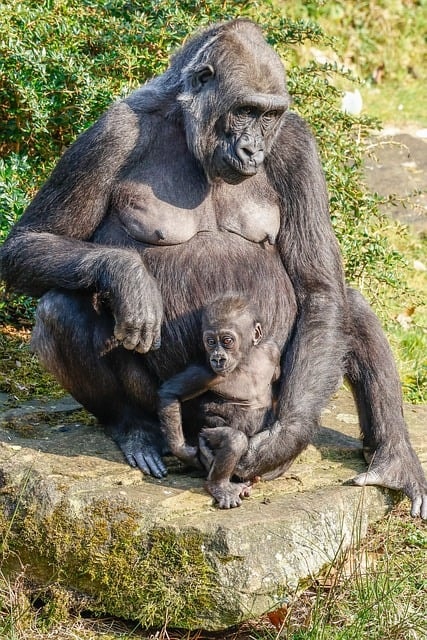
When it comes to the actual gorilla encounter, both countries deliver something unforgettable. You hike. You search. You find them. You sit quietly. You observe. The silverback watches you as much as you watch him. Young gorillas might approach curiously. They might play. They might beat their tiny chests in imitation of the dominant male.
Sometimes, mountain gorilla groups meet in the forest, which can lead to fascinating interactions or even conflicts between silverbacks as they defend their territory or assert dominance. That hour goes by faster than you expect. In Rwanda, the trek can sometimes be shorter depending on the assigned gorilla family.
In Uganda, treks can range from 45 minutes to several hours depending on where the family is located that day. But unpredictability is part of the magic. Neither country guarantees an “easy” trek. Gorilla families move daily. Rangers track them at dawn. Your group is assigned based on fitness level and permit availability. What truly matters isn’t which country you’re in — it’s that you’re in the presence of one of the last remaining mountain gorilla populations on Earth. And that moment feels the same.
Cost Considerations: A Major Factor
This is where many travelers make their decision.
Rwanda’s gorilla permits are a little bit more expensive than Uganda’s, primarily because Rwanda focuses on a low-volume, high-value tourism model. The higher permit fees support extensive conservation efforts, community development, and help limit visitor numbers to reduce environmental impact, ensuring a more exclusive and sustainable experience. than Uganda’s.
Rwanda has intentionally positioned itself as a premium destination. The higher permit cost supports conservation and community development — and reduces visitor volume.
Uganda offers a more budget-friendly permit option while still maintaining strict conservation standards.
For many travelers, this difference can mean:
Upgrading to a luxury lodge in Uganda for the same overall budget
Adding chimpanzee trekking
Extending the safari by several days
Or simply making the experience financially possible
If you are planning a honeymoon or a short luxury trip and budget is not your main concern, Rwanda’s convenience and high-end lodges might appeal to you.
If you want a longer, more diverse safari experience, Uganda offers exceptional value.
Landscape and Atmosphere: What Feels Right to You?
Rwanda’s Volcanoes National Park feels open in certain areas, with dramatic volcanic backdrops and bamboo forests that allow more visibility.
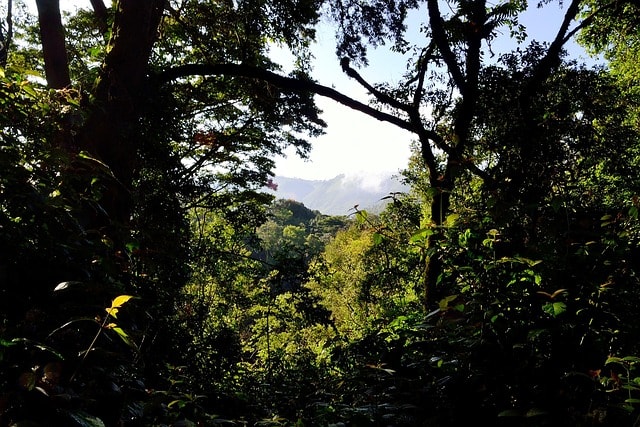
Uganda’s Bwindi feels dense and prehistoric. The canopy closes above you. The forest floor is tangled and alive.
Some travelers describe Rwanda as cinematic.
Others describe Uganda as mystical.
Neither description is wrong.
The question is: what kind of atmosphere excites you more?
Accessibility and Travel Logistics
Kigali is close to the trekking area. Roads are excellent. You can be at your lodge within a few hours of landing.
Uganda’s main international airport is Entebbe. From there, reaching Bwindi requires either a domestic flight or a long scenic drive.
That drive, however, takes you through rural villages, tea plantations, rolling hills, and changing landscapes. It feels like entering the heart of Africa.
For some travelers, that journey is part of the experience.
For others, shorter transfer times are more important.
Cultural Connection, Gorilla Conservation, and Community Impact
Both countries use gorilla tourism revenue to support conservation and local communities. Gorilla conservation efforts also extend to neighboring DR Congo, which shares the same ecosystem and is home to important projects aimed at protecting gorillas and supporting local communities.
Uganda offers especially strong opportunities to engage with communities around Bwindi, including visits to the Batwa people — the forest’s original inhabitants.
Many travelers say that Uganda feels deeply connected to local life. You see villages along the roads. Children wave. Markets buzz.
Rwanda, on the other hand, offers a powerful post-genocide story of resilience and transformation. Visiting Kigali Genocide Memorial before or after trekking can be a meaningful addition to your journey.
Both destinations offer depth beyond wildlife.
So… Which Is Better?
If you want:
A short trip focused primarily on gorillas
Smooth logistics and minimal transfer time
Luxury-focused lodges
A premium, polished experience
Rwanda may be better for you.
If you want:
A more adventurous trekking experience
Better permit value
A longer safari with diverse wildlife
A deeper immersion into forest and community life
Uganda may be better for you.
But here’s the truth many safari planners won’t say:
The gorillas do not know which country they are in.
The magic comes from being in their presence — not from the stamp in your passport.
A Final Thought
Gorilla trekking is not just another safari activity. It’s emotional. It’s humbling. It changes something inside you.
Whether you choose Uganda or Rwanda, you are supporting one of Africa’s greatest conservation success stories. Mountain gorilla populations have grown because travelers like you chose to go.
The better question may not be “Which is better?”
It might be:
Which journey fits your story?
If you’re dreaming of misty forests, ancient jungles, and a safari that combines gorillas with lions, chimpanzees, and waterfalls — Uganda offers extraordinary depth.
If you’re looking for efficiency, elegance, and a focused luxury gorilla escape — Rwanda delivers beautifully.
Either way, one hour in front of a silverback will stay with you for the rest of your life.
And that’s what truly matters.
If you’re planning a Rwanda or Uganda gorilla trekking safari, it’s wise to book through a trusted tour operator to ensure a seamless and memorable experience—contact us here to start your journey.

No Comments