

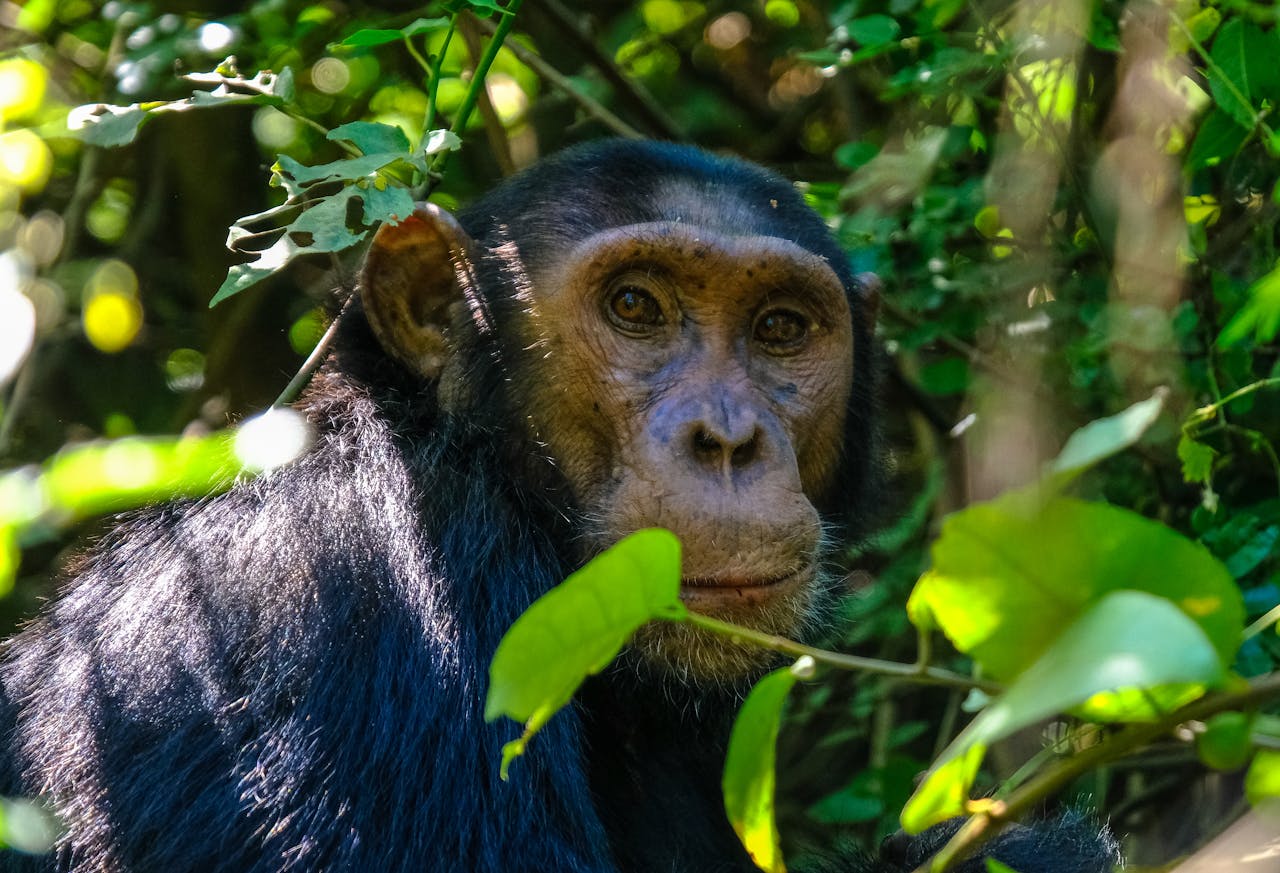
03 Feb Uganda Gorilla Safari Price: A Realistic Guide for Travelers Dreaming of Gorilla Trekking
If you’re searching for the Uganda gorilla safari price, you’re likely at a crossroads. You’re intrigued by the idea of seeing mountain gorillas in the wild, but you want to know whether this experience fits your budget, expectations, and travel goals. You may have heard that gorilla trekking is expensive, exclusive, or only for luxury travelers. The reality is more refined and encouraging.
Uganda is one of the best places in the world to see mountain gorillas, located in East Africa and home to close to half of the world’s mountain gorilla population. It offers a range of safari experiences that suit different travelers. Understanding the price is not about memorizing exact numbers, but about knowing what shapes the cost, what you receive, and why the experience holds such value.
A gorilla safari in Uganda is not a single product with a fixed price tag. It’s a carefully managed conservation experience, wrapped in travel logistics, expert guidance, and access to one of the rarest wildlife encounters on Earth. Bwindi National Park stands out as a key rainforest destination for gorilla trekking within Uganda, offering unique opportunities to observe these incredible primates in their natural habitat.
Why Gorilla Safaris in Uganda Are Priced the Way They Are
Gorilla trekking is unlike any other safari activity. Mountain gorillas are critically endangered, and their protection is taken seriously. Access is limited, controlled, and intentionally exclusive. Only a small number of visitors are allowed to visit each gorilla family per day, and the time spent with them is restricted. Gorilla permits are required for access, must be purchased in advance, and are limited in number to ensure both conservation and a quality experience.
This exclusivity shapes the overall price of a Uganda gorilla safari. A significant portion of what travelers pay goes directly toward conservation, including park management, ranger salaries, veterinary care, and community projects around the parks. The price is not just about tourism — it is about long-term protection of the species.
Uganda balances conservation with accessibility. Compared to some neighbors, Uganda allows more flexibility in how travelers experience gorilla trekking. While the core experience remains tightly regulated, the surrounding travel elements — such as accommodation, transport, and itinerary length — vary widely.
Gorilla Conservation Status
Gorilla conservation is at the heart of every Uganda gorilla safari. Mountain gorillas are among the world’s most endangered species, with their survival hinging on organizations like the International Gorilla Conservation Programme (IGCP), the African Wildlife Foundation, and the Uganda Wildlife Authority. In Bwindi Impenetrable National Park, the gorilla population is estimated at around 400 individuals—a testament to decades of active conservation, but still a fragile number globally.
The main threats facing these gentle giants include habitat loss due to agriculture, poaching, and disease transmission from humans. Conservation efforts are multifaceted: community-based conservation management empowers local people to protect gorillas and benefit from tourism, while anti-poaching patrols and veterinary interventions safeguard each gorilla group. The international community, including the Democratic Republic of Congo and Uganda, collaborates to protect these great apes across borders.
Every visit to a national park in Uganda directly supports these efforts. Your presence helps fund ranger salaries, research, and sustainable development projects, making you an active participant in gorilla conservation. With more than half of the remaining mountain gorillas living in Uganda, your safari is not just an adventure—it’s a vital contribution to the survival of an iconic species.
What Does “Uganda Gorilla Safari Price” Really Include?
A gorilla safari price reflects an entire journey that begins long before you step into the forest and continues after you leave.
A typical Uganda gorilla safari price usually includes:
- Legal access to a habituated gorilla family through an official permit
- Professional park rangers and guides who accompany you during the trek
- Transportation to and from gorilla regions, often from major cities or airports
- Accommodation and meals during the safari period
- Park entry fees and logistical coordination
You pay for expertise, access, safety, and sustainability — not just sightseeing.
How Travel Style Influences the Price
Gorilla safari prices vary in Uganda because travelers want different experiences.
Some prioritize affordability and adventure, comfortable with longer road journeys, simpler lodges, and focusing on the trek itself. For them, the emphasis is on the experience rather than luxury.
Others prefer comfort, valuing shorter travel times, lodges closer to park gates, and smoother transitions. These travelers often choose mid-range or higher-end options that enhance comfort without turning the safari into an ultra-luxury escape.
At the highest end, some seek exclusivity, privacy, and personalized service. These experiences often involve fly-in transfers, premium lodges, and tailored itineraries. The core gorilla encounter remains the same, but the surrounding experience becomes more refined.
Uganda allows all these styles, making the safari price flexible rather than fixed.
Many travelers combine gorilla trekking with other primate experiences for a richer safari. Chimpanzee trekking in Kibale Forest National Park offers the chance to observe habituated chimpanzee families in one of Africa’s most biodiverse rainforests. Tracking golden monkeys in Mgahinga National Park is another unique activity, especially recommended after gorilla and chimpanzee trekking. Queen Elizabeth National Park is often included for classic wildlife safaris, known for tree-climbing lions, elephants, hippos, and additional chimpanzee trekking.
The Role of Location and Logistics
Gorilla trekking areas such as Bwindi Impenetrable National Park and Mgahinga Gorilla National Park are in remote, mountainous regions. Mgahinga is notable for exceptional gorilla tracking. Reaching these areas is part of the adventure, but affects pricing.
Traveling by road can take hours and requires experienced drivers familiar with local conditions. Domestic flights offer a faster alternative but increase the safari cost. Neither option is better — they serve different traveler preferences.
Accommodation location matters. Lodges closer to trekking start points often cost more but reduce early travel and physical strain. Lodges farther away may be more affordable but add driving time.
These logistical considerations are embedded in the safari price and contribute to the experience. The Rwenzori Mountains, a UNESCO World Heritage Site, are another remarkable attraction, and mountain gorillas in Uganda typically live at elevations from 2,200 to 4,300 meters above sea level.
What to Expect on a Gorilla Trek
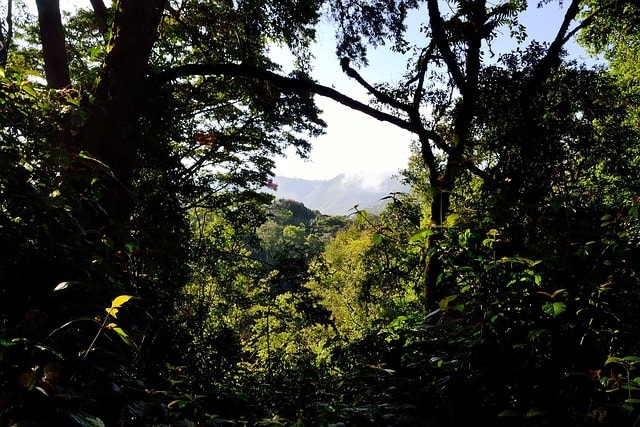
A gorilla trek immerses you in Africa’s tropical forests, where mountain gorillas have lived for millennia. Your day begins early, gathering with fellow trekkers and expert park rangers at the edge of a national park—perhaps Volcanoes National Park or Bwindi Impenetrable Forest. After a briefing on gorilla behavior and trekking etiquette, you set off into the dense forest where wild gorillas roam.
The trek can range from gentle to challenging, depending on your assigned gorilla group’s location. Paths meander through dense foliage, steep slopes, and streams, offering glimpses of other primates, birds, and forest life. The anticipation builds with every step, knowing you are nearing a rare encounter.
When your group locates the gorillas, you’ll have up to one hour to observe them in their natural habitat. This time is for quiet awewatching a gorilla family interact, feed, and play, just meters away. Park rules protect both you and the gorillas, ensuring the experience remains safe and sustainable. The memory of locking eyes with a mountain gorilla in the wild stays with travelers for life.
Choosing the Right Clothing and Gear
Preparation is key to enjoying gorilla trekking. The forests are lush and unpredictable, so dress for comfort and protection. Long-sleeved shirts and pants shield your skin from thorny plants and insects. Sturdy hiking boots with ankle support are essential on muddy, uneven trails.
Pack a lightweight, waterproof jacket and trousers for sudden showers. A small backpack is useful for water, snacks, first-aid, and essentials. Neutral-colored clothing helps you blend in and avoid startling gorillas.
Habituated gorilla groups are accustomed to humans and not aggressive. Park rangers trained in gorilla behavior and forest navigation accompany you, ensuring safety and providing insights. With the right gear and guidance, you’ll be prepared for a safe and memorable experience.
Is Gorilla Trekking in Uganda Worth the Price?
Gorilla trekking is physically demanding, involving hiking through dense forest on uneven terrain. It requires patience, effort, and a willingness to step outside your comfort zone.
What you receive in return is incomparable.
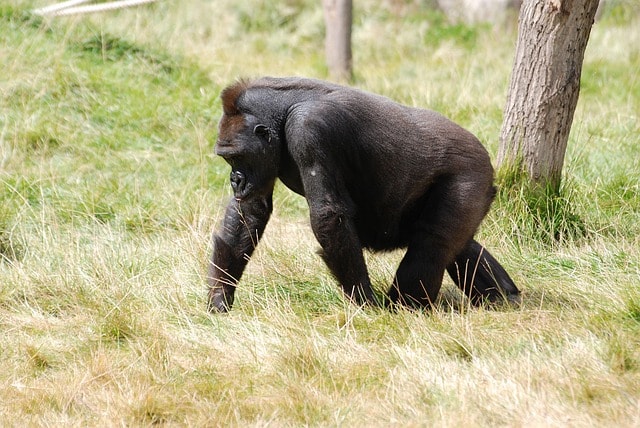
Standing near a wild gorilla family is profoundly emotional. You observe their intelligence, calm strength, and social bonds. Mountain gorillas are among our closest living relatives, making the encounter even more profound. There are no barriers, vehicles, or staging. For one hour, you enter their world.
Many travelers say this moment reshapes how they view wildlife, conservation, and humanity. Viewed through this lens, the price becomes less about cost and more about meaning.
The pioneering research of Dian Fossey and George Schaller has been instrumental in gorilla conservation and deepening understanding of these great apes.
When Is the Best Time to Go and How Does It Affect Price?
Travel timing can influence your gorilla safari cost, though not dramatically. Some periods are popular for weather and schedules, others offer more availability.
Less busy times may offer better value on accommodation and packages. Peak periods have competitive permit availability. Uganda remains stable year-round, making it a reliable option.
Many travelers choose dates based on schedules and goals, knowing the experience remains exceptional.
Uganda Gorilla Safari Price Compared to Other Countries
Travelers compare Uganda with Rwanda and the Democratic Republic of Congo for gorilla trekking. All provide access to mountain gorillas, but Uganda stands out for accessibility, variety, and value. Mountain gorillas live in Bwindi Impenetrable National Park (Uganda), Virunga National Park (Congo), and Volcanoes National Park (Rwanda). The total population is split between Bwindi and the Virungas, making these regions critical for conservation.
Uganda allows combining gorilla trekking with savannah safaris, boat cruises, lakeside relaxation, and cultural visits without greatly increasing cost. This appeals to those wanting more than a single-activity trip.
For travelers seeking depth and diversity, Uganda often feels the most complete option and is one of the best places to find mountain gorillas in their natural habitat.
Understanding Value Beyond the Price Tag
Focusing on numbers is natural, but the true value lies beyond figures. Your journey contributes to conservation, supports local communities, and helps protect one of the world’s most endangered species. Not all gorilla groups are habituated for tourism; encounters with unhabituated gorillas are rare and unpredictable, as these wild groups are less used to humans and present unique challenges.
Each permit sold funds ranger patrols, veterinary care, and sustainable tourism. Mountain gorillas consume large quantities of vegetation daily to sustain their size and energy. Travelers become part of the solution, not just observers.
This understanding often changes perceptions of cost. What once felt expensive becomes purposeful.
Mountain gorilla groups meet occasionally in the wild, sometimes resulting in dramatic social interactions and conflicts between silverbacks, affecting group dynamics and conservation.
Responsible Tourism Practices
Visiting mountain gorillas is a privilege with responsibilities. Responsible tourism benefits gorillas and local communities. Follow park guidelines: keep respectful distance, avoid contact, never feed or disturb gorillas. This minimizes stress and disease risk.
Support conservation by choosing eco-friendly lodges and reputable operators committed to sustainability. Fees from gorilla permits fund conservation and community development, protecting the Virunga Mountains and their wildlife. Respect local communities by learning their traditions, supporting local businesses, and engaging in community tourism.
Uganda, Rwanda, and the Democratic Republic of Congo collaborate to safeguard mountain gorillas’ future. Responsible tourism makes you a partner in this mission—helping ensure future generations can also meet wild gorillas in Africa’s ancient forests.
Final Thoughts on Uganda Gorilla Safari Price
A Uganda gorilla safari is not a casual vacation add-on. It’s a carefully structured experience combining conservation, adventure, and emotional impact. Prices vary by travel style, timing, and comfort, but Uganda offers one of the most realistic and rewarding ways to experience gorilla trekking in Africa.
If considering this journey, the key question is not about finding the cheapest option, but whether you want an ethical, meaningful, and unforgettable experience.
For many, the answer becomes clear the moment they lock eyes with a gorilla in the forest — and then the price fades into the background.

No Comments