

12 Feb Top 10 Reasons Ethiopia Should Be on Your Africa Safari Travel List
When travelers imagine an African safari, their minds often go straight to the open savannahs of Kenya or Tanzania. Towering acacia trees, elephants wandering in the golden grass, and lions lounging under the hot sun—these are classic images. But for those seeking a more exclusive, authentic, and deeply enriching safari experience, Ethiopia offers something entirely different. We invite you to visit Ethiopia for a unique safari adventure that blends breathtaking scenery, rare wildlife, and vibrant culture.
Ethiopia is not a copy of the classic safari; it is the original Africa, where wildlife, dramatic landscapes, and ancient cultures converge in ways found nowhere else on the continent. From the mist-covered highlands and the country’s highest peaks, such as Mount Ras Dejen and Tullu Deemtu, to the deep gorges, from endemic wildlife to 3,000-year-old cities, an Ethiopian safari is a journey through nature, history, and human civilization all at once.
An Ethiopian safari is not just about spotting animals; it is about trekking through dramatic mountains, encountering species found nowhere else in the world, and immersing yourself in living traditions that predate most civilizations. If you want to elevate your African safari beyond the ordinary, here are 10 compelling reasons Ethiopia should be at the top of your travel list.
Introduction to Ethiopia
Ethiopia, officially known as the Federal Democratic Republic of Ethiopia, is a land of extraordinary contrasts and deep-rooted history on the African continent. The capital city, Addis Ababa, sits in the northern part of the country, close to the East African Rift, a dramatic geological feature that has shaped the region’s valleys and highlands. Its population of over 135 million people represents a vibrant tapestry of more than 80 ethnic groups, each contributing to the country’s rich cultural heritage.
Ethiopia’s history is woven into the very fabric of the African continent, with ancient civilizations, unique traditions, and a spirit of resilience that continues to inspire the world. Whether you’re drawn by its storied past, its dynamic present, or its promise for the future, Ethiopia stands as a beacon of culture and discovery in Africa.
1. A Safari Experience Beyond the Savanna
Ethiopia redefines the idea of safari travel. Unlike the flat plains and endless grasslands typical of East Africa, Ethiopia offers a stunning diversity of landscapes:
- Rugged highlands with cliffs dropping hundreds of meters
- Volcanic deserts that seem straight out of another planet
- Alpine meadows and plateaus teeming with endemic species
- Sacred lakes surrounded by forested valleys
This diversity allows travelers to enjoy a multi-dimensional safari that blends wildlife viewing, trekking, photography, and cultural exploration in one trip. Imagine spotting a rare Gelada baboon on a cliffside in the Simien Mountains, then hiking to a plateau where the sunset bathes the landscape in golden light.
For adventurous travelers and seasoned safari-goers, Ethiopia feels refreshingly different — raw, dramatic, and deeply immersive.
2. Rare Wildlife Found Nowhere Else in the World
Ethiopia is home to some of Africa’s most unique and endangered wildlife, making it a must-visit for serious safari enthusiasts. Many species here are endemic, meaning they exist nowhere else on Earth.
Some of the highlights include:
- Ethiopian wolf – the rarest canid in the world, found in the Bale and Simien Mountains
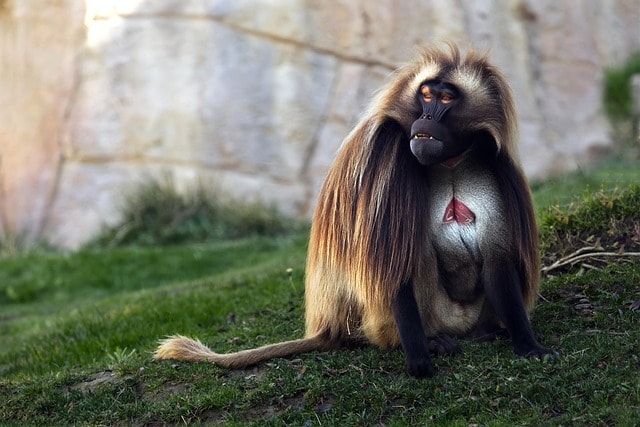
- Gelada baboon – known for its striking red chest patch and cliffside lifestyle
- Walia ibex – an endangered mountain goat seen only in the Simien Mountains
What makes Ethiopia truly special is that wildlife encounters here are intimate and uncrowded. Unlike national parks overrun with safari jeeps, you often find yourself alone with nature, observing animals in pristine habitats.
Additionally, Ethiopia is a paradise for birdwatchers, with over 900 bird species, including dozens found only in this region. The combination of endemic mammals, unique landscapes, and bird diversity makes Ethiopia a wildlife photographer’s dream.
3. The Simien Mountains: Africa’s Most Dramatic Safari Landscape
Often called the “Roof of Africa,” the Simien Mountains National Park is a stunning backdrop for any safari. Towering jagged peaks, sheer cliffs, and sweeping valleys make this one of the continent’s most cinematic landscapes.
Here, safari meets trekking. You can hike alongside herds of Gelada baboons, spot Walia ibex scaling cliff faces, and watch lammergeyers soar high above. Sunrises and sunsets paint the mountains in golden hues, creating unforgettable photo opportunities.
For travelers who love combining wildlife with outdoor adventure, the Simien Mountains are unparalleled. Whether camping on a plateau or walking along cliffside trails, the scenery feels untouched and extraordinary.
4. Bale Mountains National Park: Ethiopia’s Hidden Safari Treasure
Bale Mountains National Park is one of Africa’s most underrated safari destinations. With its Afro-alpine ecosystem, misty forests, and wide grasslands, it offers a surreal contrast to the classic savannah.
Bale is particularly famous for the Ethiopian wolf, one of the rarest animals on the planet. Beyond that, travelers may encounter giant mole rats, unique birds, and countless plant species. For those seeking a conservation-focused safari, Bale offers off-the-beaten-path exploration with breathtaking scenery.
Imagine trekking high-altitude trails, breathing in crisp mountain air, and spotting wildlife in an environment few other travelers have experienced. Bale is the kind of hidden gem that safari enthusiasts dream about.
5. The Birthplace of Humanity
Ethiopia is universally recognized as the cradle of humankind. Fossil discoveries such as Lucy, dating back over 3 million years, have reshaped our understanding of human evolution. In addition to these famous fossils, Ethiopia’s significant archaeological discoveries—including ancient monuments, early Christian churches, and evidence of early civilizations—have greatly contributed to our knowledge of human origins and the region’s rich historical heritage.
Walking through the Rift Valley, where many of these fossils were found, adds a profound historical dimension to your safari. You’re not just seeing wildlife; you’re walking the land where the story of humanity began. This connection between nature, history, and culture is something that few other safari destinations can offer.
6. Ancient Civilizations Integrated Into Your Safari
Ethiopia is home to one of the world’s oldest continuous civilizations, with recorded history spanning over 3,000 years. Many ancient civilizations developed in northern Ethiopia, particularly on the Ethiopian plateau, where early states were created and flourished. Unlike many countries where history is isolated from nature, Ethiopia allows travelers to combine wildlife exploration with ancient heritage.
Key sites on the Ethiopian plateau include:
- The ancient obelisks of Axum, which form a distinguished example of monumental architecture and mark the heart of an ancient kingdom created by early Ethiopian rulers
- The royal castles of Gondar, often called the “Camelot of Africa,” distinguished by their unique architectural form and historical significance
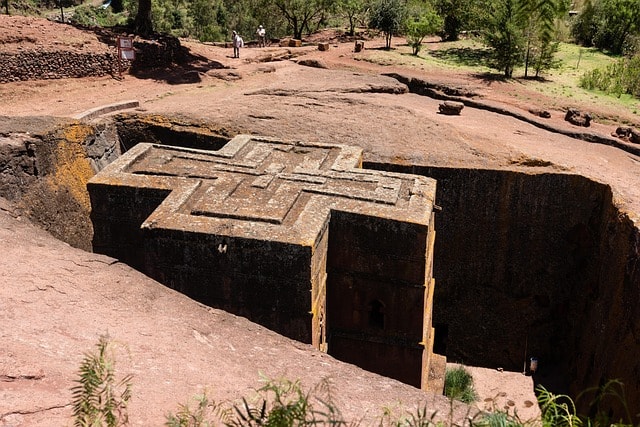
- The legendary rock-hewn churches of Lalibela, carved from solid stone in the 12th century, an outstanding example of religious architecture and art
These are not relics frozen in time — they remain living, active sites of worship and community life, with practices that have continued for centuries, offering a rare window into Ethiopia’s enduring cultural heritage and the art produced by these distinguished civilizations.
7. Lalibela: A Spiritual Safari Experience
The rock-hewn churches of Lalibela are considered one of the greatest architectural achievements in Africa. Carved directly into solid rock, these 12th-century churches remain in active use today.
For safari travelers, Lalibela offers a different kind of adventure — one of spirituality, awe, and reflection. You can explore underground churches, watch priests perform ancient rituals, and witness religious festivals. Combining this with wildlife and landscapes, Lalibela transforms a safari into a culturally immersive journey.
8. Authentic Cultural Encounters With Over 80 Ethnic Groups
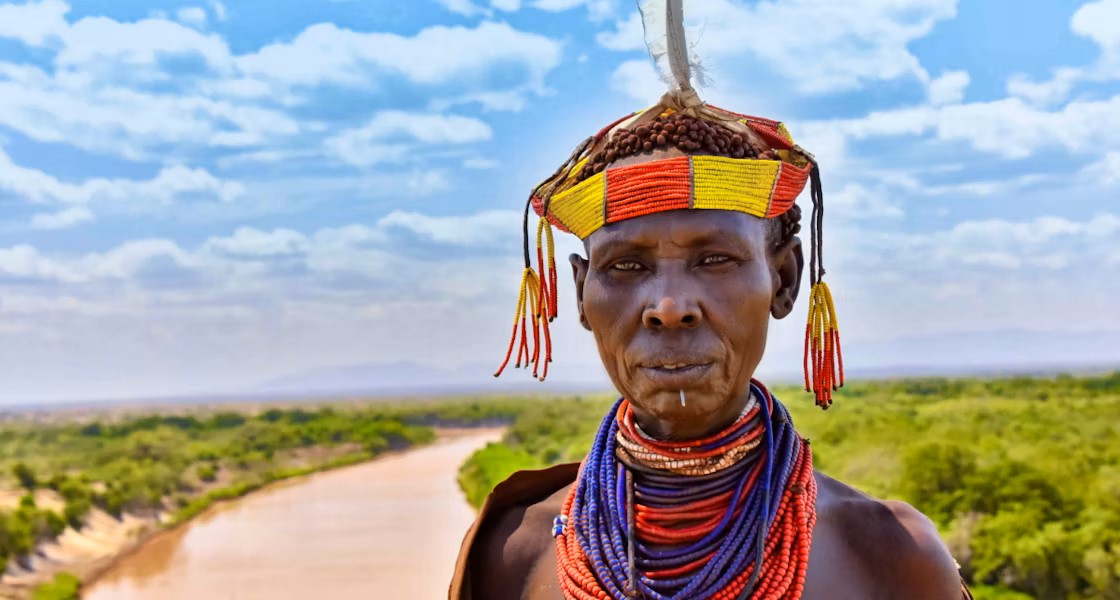
Ethiopia is one of Africa’s most culturally diverse countries, home to more than 80 ethnic groups, including numerous tribes and social groups, each with its own language, clothing, music, and traditions. These communities provide genuine, unstaged cultural encounters.
Ethiopian society is shaped by a rich tapestry of shared beliefs, morals, and a unique worldview that distinguish it from other cultures, while also fostering a deep sense of identity and community among its people.
Travelers may:
- Visit remote villages
- Witness traditional ceremonies and dances
- Share meals with local families
These experiences transform a safari into a meaningful exchange, allowing travelers to connect with Ethiopia’s people beyond what a photograph can capture.
Everyday Life in Ethiopia: Immersing Yourself Beyond the Safari
To truly understand Ethiopia, you need to look beyond its breathtaking landscapes and iconic wildlife—everyday life here is a fascinating blend of tradition and modernity. In the bustling streets of Addis Ababa, you’ll find a city alive with energy, where modern skyscrapers rise alongside vibrant markets and historic churches. The Ethiopian Orthodox Church is at the heart of daily life, shaping social forms, customs, and community gatherings. Its influence is felt everywhere, from the rhythm of religious festivals to the quiet rituals of prayer and reflection.
Venture into the countryside, and you’ll discover a different pace of life. Rural communities are built on a strong sense of togetherness, with families working the land and tending livestock as they have for generations. The Blue Nile River, winding its way through the country, is not just a geographical landmark—it’s a lifeline, nourishing fields and sustaining villages along its banks.
Visitors are welcomed into this rich tapestry of culture and life. Whether you’re sharing a meal with a local family, participating in a traditional coffee ceremony, or witnessing the vibrant colors of a festival, you’ll experience the warmth and hospitality that define Ethiopian society. Everyday life here is a celebration of heritage, resilience, and the enduring spirit of a country that cherishes its past while embracing the future.
9. Coffee Safaris in the Birthplace of Coffee
Ethiopia is the birthplace of coffee, where the cultivation of coffee has been an integral part of the country’s agricultural heritage for centuries. The ceremonial preparation of coffee is a cultural ritual that dates back generations. Participating in a traditional Ethiopian coffee ceremony allows travelers to connect with local culture in a sensory way — inhaling the aroma, watching the ritual, and sharing a communal moment.
A coffee safari provides a reflective pause between wildlife excursions and trekking, giving travelers a chance to absorb the history, landscapes, and local life around them.
10. Crowd-Free, Authentic Africa
Perhaps Ethiopia’s greatest appeal is its lack of mass tourism. Unlike the heavily visited safari destinations in Kenya and Tanzania, Ethiopia offers:
- Fewer vehicles at wildlife sightings
- Deeper engagement with local communities
- More personal, intimate wildlife encounters
There is a growing interest in authentic African experiences, drawing travelers who wish to immerse themselves in the culture, history, and natural beauty of Ethiopia. For travelers seeking authentic Africa, Ethiopia provides space, silence, and discovery. You can enjoy the thrill of seeing rare animals in pristine habitats without competing crowds, with many tours offering personalized options and per person pricing to suit your preferences.
Accommodation and Transportation: Where to Stay and How to Get Around
Ethiopia offers a wide range of accommodation and transportation options to suit every traveler’s style and budget. In Addis Ababa and other major cities, you’ll find everything from luxury hotels with world-class amenities to charming boutique guesthouses that reflect the country’s unique culture. For those seeking a more immersive experience, rural areas offer the chance to stay in traditional tukuls—round, thatched-roof huts that provide a window into local life.
Getting around Ethiopia is easier than ever, thanks to a developed network of roads and highways connecting key destinations across the country. Addis Ababa’s Bole International Airport serves as a major gateway to Africa, with flights arriving from around the world. Within the country, travelers can choose from public buses, taxis, or private vehicles, making it simple to explore both urban centers and remote regions.
The Rift Valley, a dramatic geological feature running through Ethiopia, is home to some of the country’s most stunning national parks and game reserves. This region is a paradise for safari tours, offering opportunities to witness wildlife, explore ancient sites, and experience the breathtaking beauty of the valley landscapes. Whether you’re drawn by history, adventure, or the allure of the African continent’s natural wonders, Ethiopia’s accommodation and transportation options make it easy to craft a journey that’s as comfortable as it is unforgettable. For personalized itineraries and bookings, visit Campofrio Safaris’ website or book your dream safari directly through our booking page. Contact us for a consultation and customized quotation
Why Ethiopia Is the Future of African Safaris
As modern travelers increasingly seek meaningful, responsible, and experience-rich journeys, Ethiopia has emerged as a leading destination for those looking to connect deeply with culture, nature, and history. It offers wildlife, landscapes, culture, history, and spirituality — all woven into one unforgettable adventure.
An Ethiopian safari is not about ticking boxes. It is about discovery, connection, and depth. It’s about walking in the footsteps of humanity, witnessing wildlife found nowhere else, and sharing moments with people whose traditions have endured for centuries. Ethiopia’s contributions to science, anthropology, and intellectual traditions are evident in its ancient civilizations, diverse cultures, and ongoing innovations.
If you want a safari experience that truly awakens all your senses and expands the human mind, contact us to book.

No Comments