

19 Feb The African Safari Experience: Wildlife Encounters, Culture, and Unforgettable Moments
An African safari is more than a vacation—it’s an awakening. From the first golden sunrise over the savannah to the distant roar of a lion after dark, a safari immerses you in a world where nature, culture, and human connection blend into something profoundly moving. You come for the wildlife—but leave with stories of people, traditions, flavors, laughter, and lasting memories.
Africa lies at the crossroads of the Atlantic and Indian Oceans, bordered by Europe to the north and Asia to the northeast via the Sinai Peninsula. Its diverse regions—from North Africa’s ancient civilizations and Sahara deserts, through Central Africa’s rainforests and Congo basin, to Eastern Africa’s dramatic rift valleys and southern Africa’s savannas—offer a rich tapestry of landscapes and cultures. The historical and demographic presence of Arabs in North Africa has significantly influenced the region’s culture and religion, particularly through the spread of Islam. Africa is also surrounded by significant islands such as Madagascar, Seychelles, and the Canary Islands, which contribute to the continent’s geographic and ecological diversity. Major cities across Africa serve as important urban centers that reflect the continent’s geographic and cultural diversity. North Africa’s boundaries reach their northernmost point at Tunisia, a country with historical significance as a gateway between Africa and the Mediterranean. The influence of French, Portuguese, and German languages and cultures is evident in various African countries due to their colonial histories, with French spoken in many West and Central African nations, Portuguese in countries like Mozambique and Angola, and German in Namibia. Africa is made up of 54 recognized countries; if you are wondering how many countries are in Africa, this is the widely accepted number, highlighting the continent’s complex political divisions.
These varied environments have influenced the development of unique societies and traditions throughout the continent. Agriculture has played a central role in Africa’s historical development, shaping economies from early domestication of crops and livestock to modern farming practices. It remains vital for food security, adaptation to climate change, and addressing socioeconomic vulnerabilities. Agriculture and natural resources like gold have shaped many areas, while organizations like the United Nations provide frameworks for addressing challenges across the continent.
This is the essence of the African safari experience: immersive wildlife encounters, rich cultures, meaningful community interactions, and unforgettable moments no photo can fully capture. Ongoing efforts to save Africa’s wildlife, natural resources, and cultural heritage are central to ensuring these experiences endure for generations to come.
Geography and Climate of Africa
Africa’s vastness is breathtaking—spanning from the Mediterranean shores in the north to the southern tip, and from lush Central African rainforests to golden eastern savannas. With 54 countries, the continent offers diverse climates that shape every safari. The middle regions of Africa, such as the middle Niger and middle Nubia, have historically served as important geographic and cultural crossroads.
North Africa is dominated by the Sahara Desert’s vast dunes and arid plains. Central Africa’s dense tropical rainforests teem with life. Western Africa blends rainforests and savannas under a humid tropical climate.
Eastern Africa, home to famed safari destinations like Kenya and Tanzania, features warm, often humid highlands and sweeping grasslands that host spectacular wildlife migrations. The plateau regions in the southeast, including the Ethiopian Plateau and the East African Rift System, play a significant role in shaping Africa’s physical geography and natural resources. Southern Africa enjoys a more temperate climate with crisp mornings and golden afternoons in places like South Africa, Botswana, and Zimbabwe.
Wherever you go—north, south, east, or west—Africa’s geography and climate set the stage for adventure, shaping habitats, wildlife, and cultures.
Wildlife Encounters That Feel Wild, Not Staged
On an authentic African safari, wildlife roams freely across vast landscapes, and every sighting feels earned.
Imagine an early morning game drive as dawn breaks. Your guide slows the vehicle, points ahead—and there they are: elephants crossing the road, a pride of lions resting after a hunt, or giraffes silhouetted against the sunrise.
Safari encounters are unpredictable. One day you may see a cheetah sprint; another, hippos emerging from the river at dusk.
Highlights include:
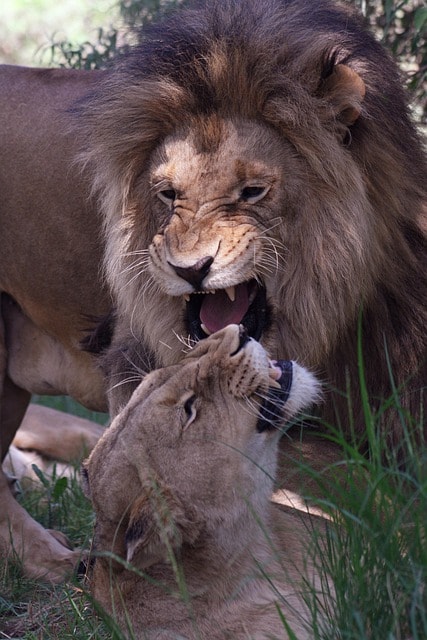
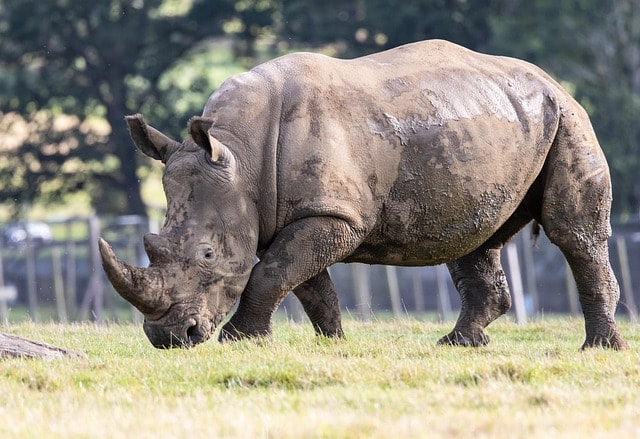
Close encounters with elephants, lions, leopards, buffalo, and rhinos, known collectively as the Big Five, whose presence symbolizes the health and diversity of Africa’s ecosystems.
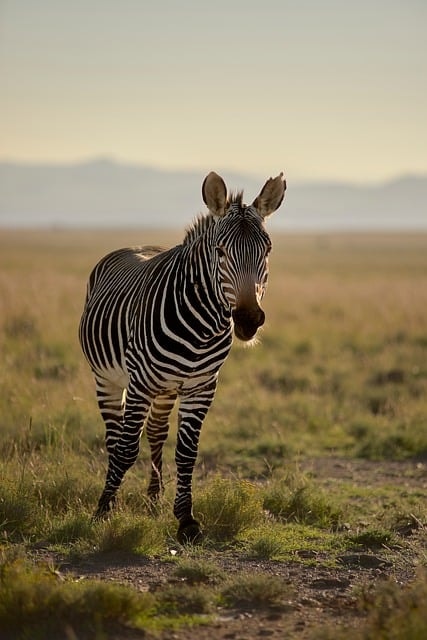
Watching giraffes, zebras, and antelope move gracefully across plains, offering a glimpse into the intricate balance of predator and prey in the wild.
Spotting dazzling birdlife and rare species that showcase the continent’s incredible biodiversity beyond the large mammals.
Witnessing predator-prey interactions like a nature documentary, providing raw and authentic insights into survival and natural behavior.
Experiencing the thrill of seasonal migrations, such as the Great Migration in East Africa, where millions of wildebeests and zebras traverse vast distances in search of fresh grazing.
Learning from expert guides who share detailed information about animal habits, conservation efforts, and the delicate ecosystems that sustain them.
Understanding how these wildlife encounters contribute directly to conservation by supporting local communities and protecting habitats.
Feeling the emotional connection and respect that grows from observing animals thriving freely in their natural environment, an experience that often transforms visitors’ perspectives on nature and conservation.
Unlike zoos, safaris place you inside the ecosystem—you are a respectful guest in the animals’ home, making every moment meaningful.
Safari Types and Activities Across African Countries
Africa’s landscapes are matched by diverse safari experiences across its countries.
In Southern Africa, classic game drives in Kruger and Chobe reserves bring you face-to-face with elephants, lions, and rhinos. Walking safaris and river cruises add thrill and discovery.
Eastern Africa is the traditional safari heartland. The Serengeti and Maasai Mara host the Great Migration, while Uganda and Rwanda offer gorilla trekking adventures. Every day brings new stories—tracking big cats or watching flamingos paint lakes pink at sunset.
North Africa offers desert safaris across the Sahara in Morocco and Egypt. Ride camels over golden dunes, explore ancient oases, or camp under starry skies.
Western Africa, less traveled, is a treasure for the intrepid. Parks in Ghana and Senegal offer rare wildlife and vibrant local cultures. Many African countries invite you beyond wildlife, with cultural safaris featuring traditional music, dance, and daily life. These experiences often include participation in or observation of traditional events, such as celebrations, ceremonies, and public performances that are integral to African communities.
Whether you seek adventure, serenity, or cultural richness, a safari awaits in every continent corner.
Beyond the Big Five: The Emotional Side of Safari Wildlife
Many travelers dream of the “Big Five,” but what surprises most is the emotional bond formed with wildlife.
You may quietly watch a mother elephant guiding her calf or laugh as lion cubs tumble together. These moments reveal wildlife’s depth and relatability.
This connection often changes how visitors see the world.
Safari Destinations
Africa’s safari destinations vary widely, each offering unique wildlife, landscapes, and moments.
Eastern Africa’s Maasai Mara in Kenya and Serengeti in Tanzania are legendary for abundant wildlife and the Great Migration. Ngorongoro Crater offers dramatic scenery and rich animal life.
Southern Africa’s Kruger National Park teems with the Big Five, while Botswana’s Okavango Delta, a UNESCO site, offers water-based safaris. Zimbabwe’s Moremi and Hwange reserves blend adventure and conservation.
North Africa’s Sahara Desert delivers camel treks and desert camps revealing stark beauty and ancient history.
From Tanzania’s plains to Sahara’s sands, each destination is a gateway to Africa’s wild heart.
The Cultural Heart of a Southern Africa Safari
What elevates a safari is culture.
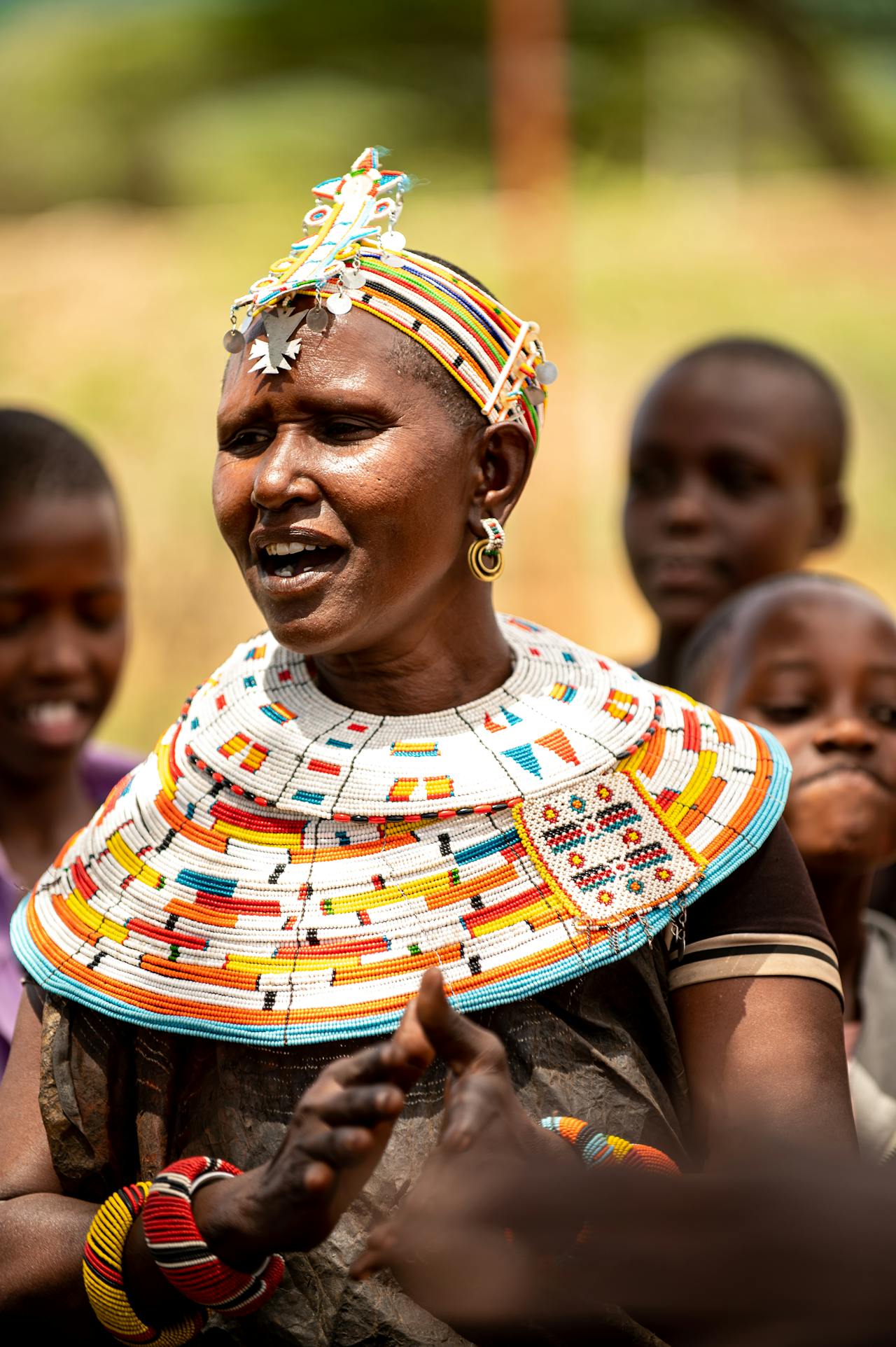
Africa hosts thousands of ethnic groups, each with unique languages, traditions, music, dress, and communal values passed through oral tradition. Thoughtful safaris offer respectful, authentic cultural engagement.
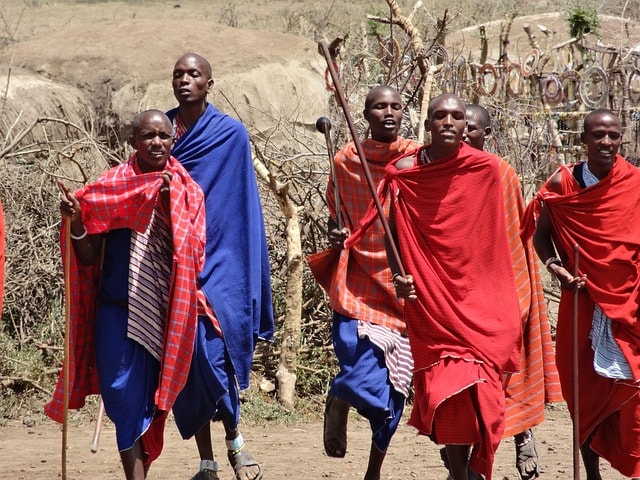
In Kenya, Tanzania, and Uganda, visitors meet communities like the Maasai, Samburu, and Hadzabe indigenous peoples.
These encounters are genuine moments of human connection, not performances. Such experiences foster personal connections, build personal trust, and encourage a sense of personal agency in cross-cultural understanding.
How Tourists Interact with Local Communities
A safari’s power often lies in stepping into everyday village life.
Visitors may:
Walk traditional villages
Learn how homes are built from natural materials
Hear elders share stories passed down generations
Join traditional songs and dances
Discover herding, farming, and survival in harmony with nature
Travelers often find themselves singing and dancing with locals, laughing beyond language barriers. Music becomes a shared language, rhythm a connection.
These moments often become treasured memories.
Learning How People Live in Harmony with Nature and Conservation
Safari cultures are deeply connected to the land.
Visitors learn:
How communities coexist with wildlife
How livestock is protected from predators
How traditions guide sustainable living
Why conservation and culture are inseparable
This perspective reshapes conservation from abstract to lived reality.
African Food: A Taste of Culture

Food is culture—and on safari, meals are experiences themselves.
Depending on your itinerary, you may enjoy:
Fresh meals at luxury lodges
Traditional dishes cooked over open fires
Staples like maize, millet, or rice
Grilled meats, stews, vegetables, and flatbreads
Seasonal fruits sourced locally
In cultural villages, travelers may watch or join cooking, learning time-honored methods.
Sharing food creates connection—sitting, eating, and learning together brings cultures closer than words.
Urban Tourism in African Cities
Urban tourism in African cities offers a vibrant and dynamic experience, showcasing the continent’s rich cultural tapestry through its people, architecture, and everyday life. Cities like Nairobi, Lagos, Cape Town, and Dakar are bustling hubs where traditional and contemporary arts blend seamlessly. Visitors can admire stunning murals, colorful street art, and intricate designs adorning buildings that reflect local stories and heritage.
The lively atmosphere is further enriched by the people—friendly, diverse, and full of life—who bring the cities’ neighborhoods to life with music, markets, and festivals. In Kenya, for example, the iconic matatu minibuses are not just a means of transport but a cultural phenomenon, known for their vibrant decorations, lively music, and spirited atmosphere, offering tourists a unique way to engage with local urban culture. Exploring these cities reveals a fascinating mix of history, creativity, and daily rhythms that make urban tourism in Africa an unforgettable adventure.
The Essential Role of Tour Guides in Your Safari Experience
Tour guides play a crucial role in an African safari, as they bring a wealth of knowledge about the continent’s history, diverse cultures, and intricate animal behaviors. Their expertise allows them to interpret the environment and wildlife in ways that deepen your understanding and appreciation of the safari experience.
Guides know the best locations and times to observe animals, enhancing your chances of unforgettable wildlife encounters. Beyond wildlife, they share stories and insights about local communities and traditions, ensuring you gain a well-rounded and authentic African experience that goes far beyond just sightseeing.
Safari Lifestyle: Slow, Intentional, and Grounded
Life on safari moves differently.
Days start early with sunrise game drives and end under starry skies. There’s time to breathe, reflect, and simply be.
The safari lifestyle encourages:
Disconnecting from noise
Reconnecting with nature
Meaningful campfire conversations
Listening—to wind, animals, and people
This slower rhythm is deeply healing.
Where You Stay Shapes the Experience
Accommodation is part of the journey.
Safari travelers stay in:
Luxury tented camps with en-suite bathrooms
Eco-lodges blending into the landscape
Intimate camps run by local communities
Many camps employ local staff who share stories and traditions, adding depth and authenticity.
Safari Gear and Equipment: What to Pack for the Journey
Packing for a safari in Africa is all about preparation, comfort, and adaptability. Whether your adventure takes you to the sweeping savannas of southern Africa, the lush landscapes of eastern Africa, or the rainforests of central Africa, having the right gear can make all the difference. Start with lightweight, neutral-colored clothing that blends into the environment and keeps you cool during the day, but don’t forget a warm jacket for chilly mornings and evenings—especially if you’re venturing into the highlands or deserts of north Africa. Sturdy, closed-toe footwear is essential for bush walks and exploring rugged terrain.
Binoculars are a must for spotting wildlife in their natural habitats, while a quality camera ensures you capture every unforgettable moment. Many African countries have specific guidelines about what gear is allowed in protected areas, so it’s wise to check local regulations before you travel. Essentials like a reusable water bottle, high-SPF sunscreen, and insect repellent will keep you comfortable and safe as you explore. In western Africa and central Africa, humidity and rain can be factors, so pack a lightweight rain jacket and quick-drying clothes. Consulting with a safari expert, like those at Campofrio Safaris, ensures you’re well-prepared for the unique requirements of each region, so you can focus on the adventure and the incredible wildlife that awaits.
Safari Etiquette and Ethics: Respecting Wildlife, People, and Place
A safari is not just an adventure—it’s a privilege, and with that comes responsibility. Across many African countries, the United Nations and local conservation groups emphasize the importance of respecting wildlife and their habitats. Whether you’re exploring the open plains of Tanzania, the arid landscapes of northwestern Africa, or the vibrant communities of Somalia, always maintain a safe distance from animals and never attempt to feed or touch them. This protects both you and the wildlife, ensuring their natural behaviors remain undisturbed.
When visiting villages or interacting with local people, take time to learn about the history and customs of individual countries. Simple gestures—like asking permission before taking photos or dressing modestly—show respect for the land and its people. By following the guidelines set by your guides and local authorities, you help preserve Africa’s rich habitats and support ongoing conservation efforts. Every respectful action contributes to the protection of Africa’s incredible animals and the unique cultures that call this land home.
Photography and Wildlife Viewing: Capturing the Magic
There’s nothing quite like the thrill of capturing Africa’s wildlife through your lens. In southern Africa, the golden light of dawn illuminates elephants and lions on the move, while the east coast of eastern Africa offers dramatic backdrops of acacia trees and endless plains. Whether you’re an amateur with a smartphone or a seasoned photographer with professional gear, patience and respect are your best tools. Remain quiet and still, allowing animals to behave naturally in their habitats—this is when the most authentic and breathtaking moments unfold.
Many safari operators, including Campofrio Safaris, offer expert guidance and even photography workshops to help you make the most of every sighting. In eastern Africa, witnessing the Great Migration is a once-in-a-lifetime event, and the right camera settings can help you preserve the memory forever. Remember, the best wildlife photos come from understanding animal behavior and respecting their space—so you can capture the magic of Africa without disturbing its wonders.
Transportation and Logistics
Getting to and around safari destinations is part of the adventure.
Many African countries have modern airports and roads, easing access to remote wilderness.
Southern Africa favors self-drive safaris with well-maintained roads. Eastern Africa uses small aircraft to maximize bush time. North Africa’s buses and trains explore deserts and cities. Western Africa relies on cars and motorcycles for parks and villages.
Safari operators like Campofrio Safaris offer comprehensive transport—airport transfers, safari vehicles, expert guides—so you focus on the experience.
Using a browser enables travelers to research, plan, and book safari transportation and logistics, as well as access up-to-date travel information.
Why a Curated Safari Makes All the Difference
Not all safaris are equal.
A curated safari ensures:
Ethical wildlife viewing
Respectful cultural interactions
Knowledgeable local guides
Seamless logistics and comfort
Working with safari specialists means your journey fits your interests—wildlife photography, cultural immersion, family travel, or luxury.
This transforms a trip into your unique story.
Budgeting and Costing
A safari is an investment, but careful planning tailors it to your budget.
Costs vary by region, luxury level, and activities.
Southern Africa offers high-end lodges at premium prices. Eastern Africa mixes luxury with budget options like group tours and camping.
Prices range from hundreds to thousands per person, including accommodation, meals, park fees, and extras like hot air balloon rides or cultural visits.
Companies like Campofrio Safaris provide transparent pricing and value options, from luxury escapes to authentic budget journeys.
Who Is the African Safari Experience Perfect For?
A safari suits:
First-time Africa visitors
Couples and honeymooners
Families seeking educational travel
Adventure lovers
Travelers craving meaningful experiences
If you want wonder, learning, and connection, a safari delivers.
Safari Reviews and Testimonials: Stories from the Wild
Hearing from fellow travelers is one of the best ways to prepare for your own safari adventure. Across many African countries, from the sweeping dunes of Morocco in north Africa to the wild expanses of Angola in western Africa, safari-goers share stories of awe-inspiring wildlife encounters, warm hospitality, and the thrill of exploring new regions. Reviews and testimonials offer detailed information about guides, accommodations, and the unique experiences each country and region provides.
Reading about others’ journeys can help you choose the right safari for your interests—whether you crave the adventure of tracking big cats, the serenity of birdwatching, or the cultural richness of village visits. Each testimonial is a window into the diverse landscapes and unforgettable moments that define Africa. By exploring these stories, you’ll gain insight into the adventure and excitement that await, and feel more confident in planning your own journey into the wild.
Safari Industry Trends: The Future of African Safaris
The African safari industry is evolving, driven by a passion for adventure, conservation, and innovation. Across Africa, there’s a growing commitment to sustainable tourism, with many safari operators adopting eco-friendly practices to protect wildlife and support local communities. Technology is playing a bigger role, too—drones and camera traps are now used to monitor animal populations and habitats, providing valuable data for conservation efforts.
As more travelers seek meaningful, responsible experiences, the industry is placing greater emphasis on community-based tourism and ethical wildlife viewing. Organizations and foundations, such as the Latin Aprica Foundation, are working alongside local partners to strengthen conservation initiatives and ensure that safaris benefit both people and wildlife. The name “Africa” has long been synonymous with exploration and discovery, and as the industry continues to innovate, the future promises even more opportunities for adventure, connection, and positive impact across the continent. With ongoing support and a focus on sustainability, African safaris will remain a beacon for travelers seeking the thrill of the wild and the chance to make a difference.
Turning a Dream Safari into Reality
The safari experience begins with planning.
Choosing destinations, seasons, accommodations, and guides shapes a seamless, unforgettable journey.
Instead of generic packages, travelers work with experts who know wildlife patterns, cultures, and expectations.
Trusted safari companies turn dreams into curated realities.
Final Thoughts: More Than a Trip—A Transformation
An African safari is not just seeing animals or places.
It’s connection—to nature, people, and yourself.
You arrive curious. You leave changed.
If you’re ready for wildlife encounters, cultural immersion, and unforgettable moments, a thoughtfully designed safari awaits you.

No Comments