

Maasai Mara now also comprises a number of conservancies and group ranches bordering the main reserve and is home to some of the most diverse species of African wildlife and is also the site of the annual Wildebeest migration, simply called the ‘Great Migration’. The Masai Mara, including the Mara Triangle, forms part of the greater Mara Region, which extends into northern Tanzania.
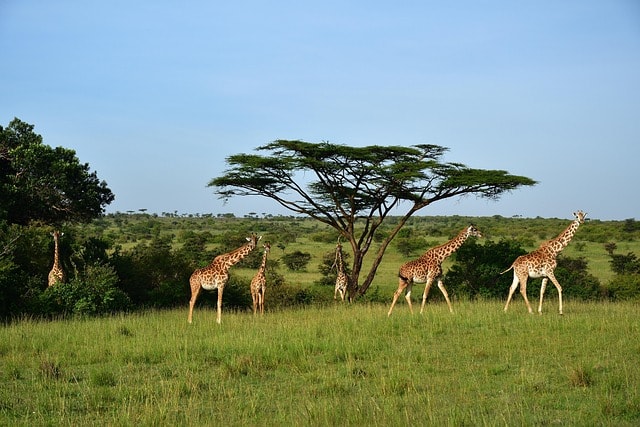
Everything’s big here: it’s a landscape of rolling plains and rounded hills, of groves of acacia woodland and dense thickets of scrub. The reserve is bisected by the Mara River and its tributaries, which are margined by lush riverine forest and the site of spectacular river crossings during the migration. The Mara River flows from the Kenyan highlands, through the Mara basin, and eventually drains into Lake Victoria, supporting the ecosystem along its route.
The reserve’s southern boundary is contiguous with Tanzania’s Serengeti National Park, which shares the Great Migration herds. The migration route begins in the south, in Tanzania, and moves northward into Kenya, with the Mara Triangle being a key crossing point. It has been developed on the lines of a national park, where, unlike in the bordering conservancies, human settlements are unable to intrude, and game-viewing is restricted to game drives and horse riding safaris.
Land management in the area is overseen by Narok County, which plays a crucial role in conservation and land use planning. Ongoing challenges include human-wildlife conflict and land subdivision, which impact both wildlife migration and community livelihoods.
Most visitors arrive via Jomo Kenyatta International Airport in Nairobi before transferring to the reserve.
Introduction to Maasai Mara National Reserve
Nestled in the heart of southern Kenya, the Maasai Mara National Reserve stands as one of Africa’s most celebrated wildlife sanctuaries. Named after the Maasai people, who have called this region home for centuries, the reserve is a living testament to the harmony between culture and nature. The Maasai Mara is famed for its breathtaking landscapes and extraordinary wildlife encounters, making it a must-visit for anyone seeking an authentic Maasai Mara safari. As part of the greater Mara-Serengeti ecosystem, which stretches seamlessly into Tanzania’s iconic Serengeti National Park, the Maasai Mara plays a pivotal role in the annual Great Migration. Here, visitors can witness the legendary Big Five—lions, leopards, elephants, rhinos, and buffaloes—roaming freely across the plains. Whether you’re drawn by the allure of the migration or the promise of year-round wildlife viewing, the Maasai Mara National Reserve offers an unrivaled safari experience in Kenya’s most storied region.
Geography and Climate
The Maasai Mara National Reserve is set against the dramatic backdrop of the Kenyan highlands, with elevations ranging from 1,500 to 2,180 meters above sea level. Spanning nearly 1,510 square kilometers, the reserve is a patchwork of sweeping grasslands, scattered acacia trees, and meandering seasonal streams. At its heart flows the Mara River, a lifeline for both wildlife and local communities, and the stage for the dramatic river crossings that define the Great Migration. The climate here is semi-arid, marked by two distinct rainy seasons: the long rains from April to May and the short rains in November and December. For those planning a visit, the best time to experience the Maasai Mara is during the dry season from July to October, when the landscape comes alive with migrating herds and predators on the prowl. This period not only offers optimal wildlife viewing but also showcases the reserve at its most vibrant, as the Mara River sustains life across the plains.
Wildlife and Biodiversity
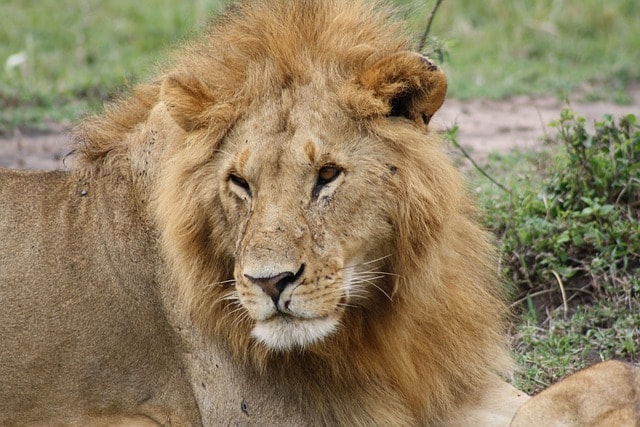
The Maasai Mara National Reserve is a haven for wildlife enthusiasts, boasting an astonishing diversity of species within its borders. With over 470 bird species and a remarkable variety of mammals, the reserve is renowned for its high density of predators, including the iconic lions, elusive leopards, and swift cheetahs. From July to October, the Maasai Mara becomes the epicenter of the Great Migration, as millions of wildebeest, zebras, and gazelles traverse the plains in search of greener pastures. This awe-inspiring spectacle draws not only the migrating herds but also a host of predators and scavengers, creating a dynamic and ever-changing ecosystem. Beyond the migration, visitors can encounter elephants, black rhinos, hippos, and a wealth of other wildlife species that thrive in the reserve’s varied habitats. The delicate balance between predator and prey, coupled with the sheer abundance of life, makes the Maasai Mara a truly unique destination for anyone passionate about nature, conservation, and the wonders of the African wilderness.
