

30 Dec Is Masai Mara in Kenya Safe for Tourists? A Complete Safety Guide for First-Time Visitors
The short answer is yes, Masai Mara in Kenya is widely known as one of the safest safari destinations in East Africa. Planning a safari to one of Africa’s most iconic wildlife destinations naturally raises questions about safety.
Tourists need to consider Kenya’s overall safety context as a country, including current travel advisories and national regulations, to ensure a secure and informed visit. But understanding exactly what makes it safe, what risks exist, and how to navigate them will help you travel with confidence.
This guide breaks down everything you need to know about safety in the Mara, from security infrastructure and wildlife protocols to practical planning tips that protect your own safety throughout your trip.
Quick Answer: How Safe is Masai Mara Right Now?
Masai Mara National Reserve is generally very safe for tourists. The reserve welcomes thousands of visitors every month, particularly during the Great Migration season from July to November. Kenya attracted 1.6 million international visitors in 2024, and the Masai Mara consistently ranks among the country’s safest destinations with a 95% safety rating in tourist surveys.
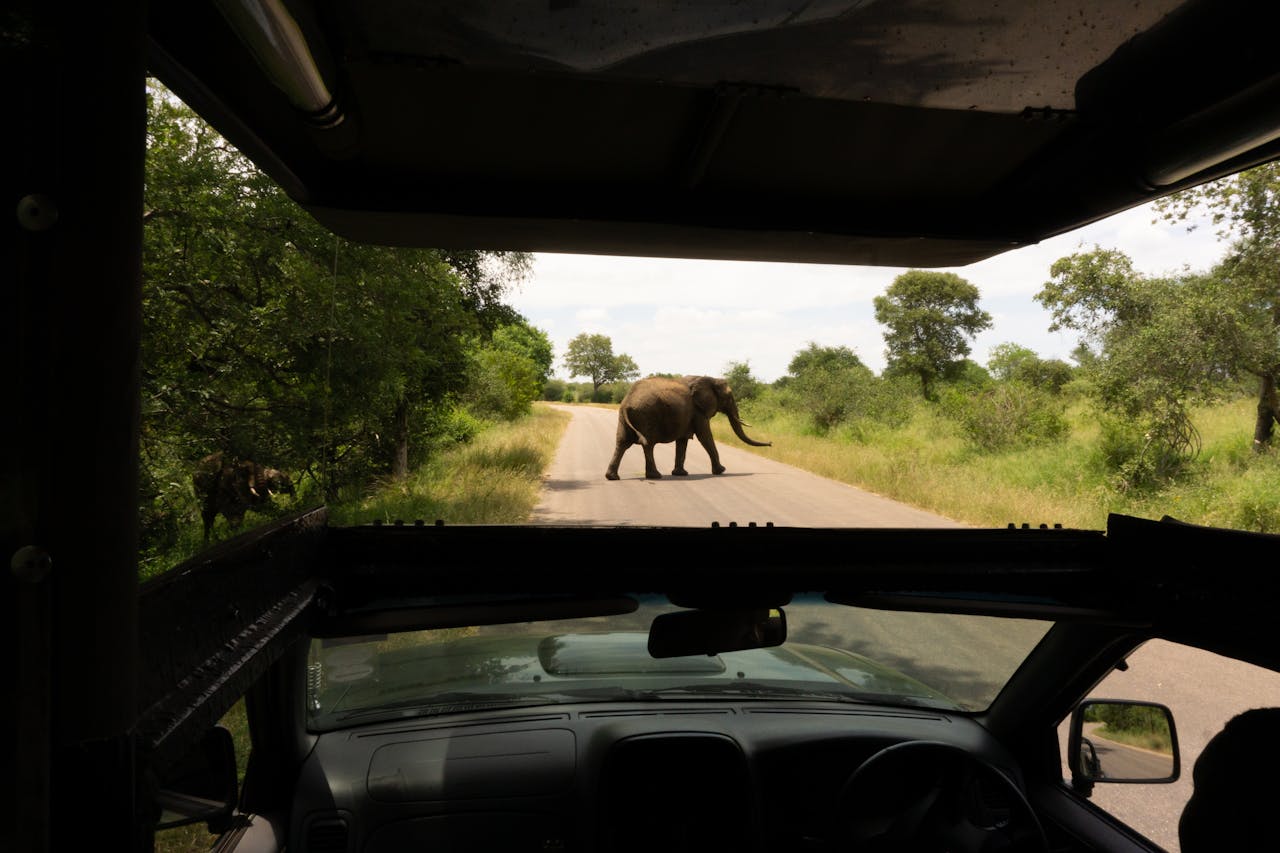
Most travellers are surprised to learn that the primary safety considerations inside the reserve involve wildlife rather than crime or terrorism. Lions, elephants, buffalo, hippos, and other wild animals demand respect and caution, but these risks are well-managed through established park rules and professional guides.
Core safety tips for Masai Mara:
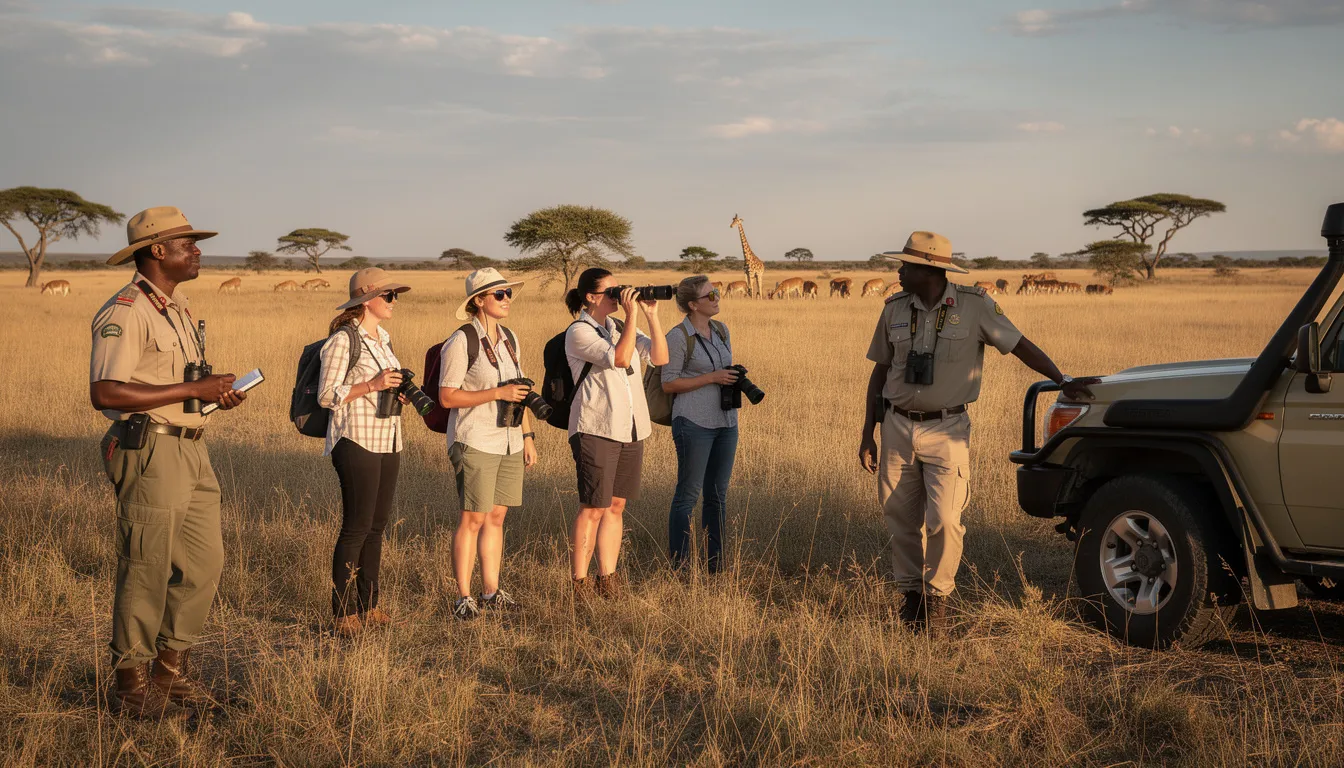
- Travel with a reputable, licensed tour operator
- Follow all lodge and guide instructions without exception
- Avoid self-drive safaris, especially at night
- Keep valuables secure in lodge safes
- Stay inside vehicles during game drives unless at designated picnic areas
Where is Masai Mara and Why its Location is Considered Safe
Masai Mara National Reserve occupies approximately 1,510 square kilometres in south-western Kenya, roughly 224–270 km from Nairobi depending on your route. The reserve shares its southern boundary with Tanzania’s Serengeti National Park, forming the continuous Mara Serengeti ecosystem that supports the world-famous wildebeest migration.
This location matters enormously for safety. Maasai Mara sits in a protected wilderness region with low population density. The international border with Tanzania is stable, well-monitored by both nations’ authorities, and presents no current security concerns for tourists.
The reserve and surrounding conservancies function as Kenya’s flagship safari destination, generating significant tourism revenue. This economic importance means security is a national priority, with strong coordination between:
- Narok County authorities
- Kenya Wildlife Service (KWS)
- Local Maasai community conservancies
- Private lodge security teams
These combined efforts and oversight make Masai Mara a safe place for tourists, with well-managed security protocols and active patrols ensuring visitor safety.
Typical access routes to Masai Mara:
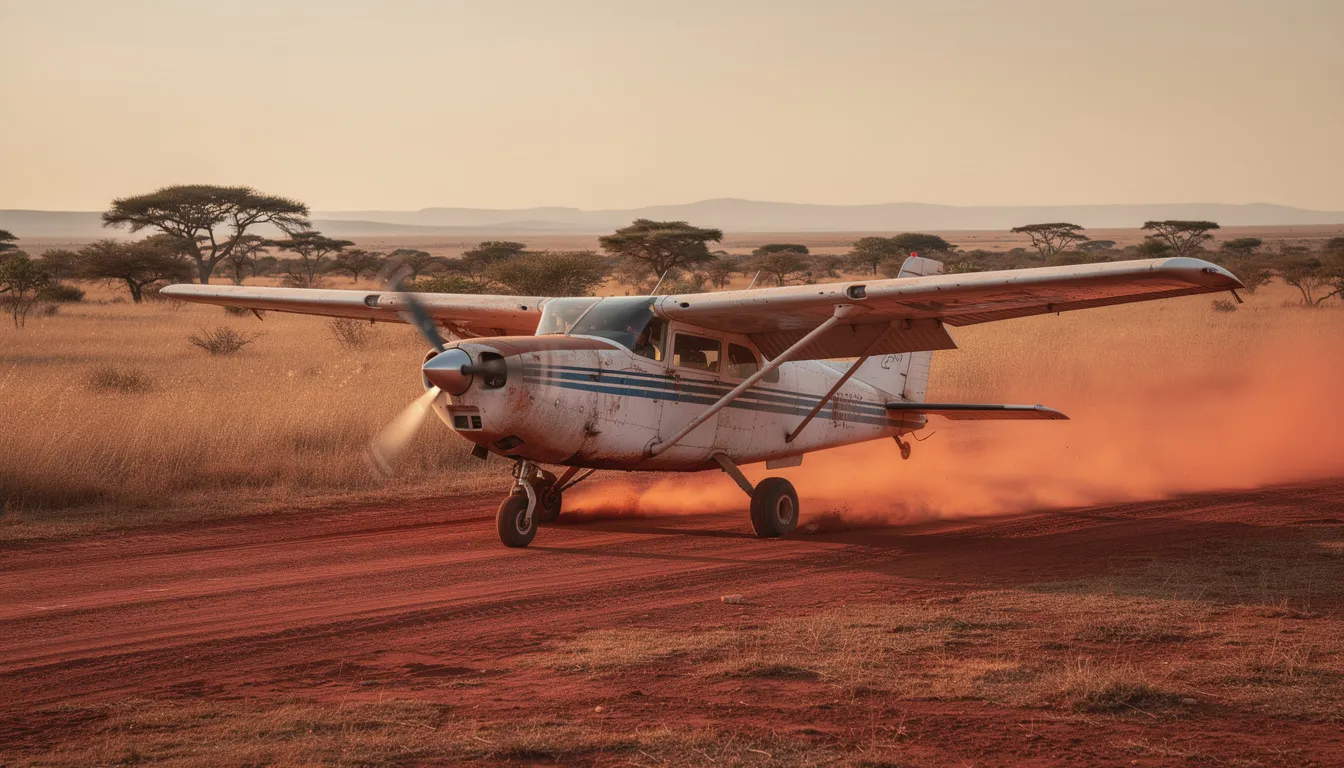
- Scheduled flights from Nairobi’s Wilson Airport to Mara airstrips (Keekorok, Ol Kiombo, Musiara, and others)—flight time approximately 45 minutes
- Road transfers of 4–5 hours from Jomo Kenyatta International Airport or Nairobi, using well-established safari routes through the Rift Valley
- Neither air nor standard road routes pass through Kenya’s high-risk border regions
The Maasai people have inhabited this region for centuries, and their presence adds a cultural dimension to the area while contributing to wildlife conservation efforts through community-managed conservancies.
Security Measures in and Around Masai Mara
Masai Mara’s strong safety record stems from layered security systems involving government agencies, park management, and private operators working in coordination.
Park Ranger Operations
Narok County authorities and KWS deploy trained rangers, many of them armed, who patrol the Mara National Reserve daily. These rangers enforce park rules, respond to wildlife incidents, assist stranded vehicles, and provide rapid response to any security concerns. Their constant presence throughout the reserve creates visible deterrence and ensures help is never far away. While rangers handle most security within the reserve, police officers may also be present at entry gates or during road travel. If tourists are approached by police officers, they should always verify the officer’s identity before proceeding.
Lodge and Camp Security
Virtually all camps and lodges within and around the reserve maintain 24/7 security personnel. These askaris (guards) serve multiple functions:
- Escorting guests between tents and common areas after dark
- Monitoring wildlife movement near camp perimeters
- Communicating via radio with rangers and neighbouring properties
- Ensuring guests follow camp safety protocols
Many lodges employ their own guards around the clock, creating an additional security layer beyond park-level protection.
Enforced Park Rules
Strict regulations protect both wildlife and visitors:
Wildlife Safety: Staying Safe on Game Drives and in Camps
The main risk in Masai Mara isn’t crime but wildlife. The reserve hosts the Big Five, lion, leopard, rhino, elephant, and buffalo, along with other potentially dangerous animals and large herds of herbivores. Following your guide’s instructions is essential for safety, as they have years of expertise in animal behavior.
Recommended items for camp:
- Headlamp or small flashlight
- Neutral-coloured clothing
- Closed shoes for evening walks
- Soft-sided bag for bush plane transfers
How Masai Mara Safety Compares to General Kenya Travel Advisories
Many national governments, including Canada, the UK, the US, and various EU states, rate Kenya as “exercise a high degree of caution” in their travel advisories. These warnings primarily address terrorism threats and urban crime rates at the national level. However, most advisories specifically carve out national parks and mainstream safari circuits as lower-risk destinations.
Masai Mara sits in Narok County, not in any “avoid all travel” zone. Narok County does not border Somalia, South Sudan, Ethiopia, or the Dadaab refugee complex. The reserve is located along Kenya’s western border with Tanzania, an entirely different security context than the volatile eastern and northern regions.
While visitors should apply standard city-safety precautions in Nairobi or Mombasa, avoiding night walking in unfamiliar areas, guarding valuables, and being careful at ATMs in the central business district, these urban risks do not reflect conditions inside the Masai Mara itself.
Before any trip, check up-to-date advisories from your own government, focusing specifically on mentions of Narok County, national parks, and safari routes rather than national-level warnings.
Practical Safety Tips for Planning a Masai Mara Safari
Safety begins long before you arrive at the reserve. Smart planning, choosing the right operators, arranging proper insurance, and timing your travel appropriately, significantly reduces risk and enhances your experience.
Choose Reputable Tour Operators
Not all safari companies offer the same level of professionalism or safety standards.
Look for operators who:
- Hold current licenses from Kenya’s tourism authorities
- Maintain membership in Kenya Association of Tour Operators (KATO) or similar bodies
- Have recent positive reviews specifically mentioning driver competence and safety briefings
- Provide vehicles in good mechanical condition with working radio communication
- Employ guides with certified training and local knowledge
Guided tours with certified operators reportedly reduce risks by approximately 85% compared to independent travel.
Arrange Comprehensive Insurance
Standard travel insurance often excludes remote location evacuations. For Masai Mara, you need coverage that specifically includes:
- Medical evacuation from remote locations (air evacuation from Mara airstrips to Nairobi medical facilities)
- Emergency medical treatment
- Trip cancellation and interruption
- Lost or delayed baggage
Carry policy details and emergency contact numbers at all times.
Health Precautions
Masai Mara is located in a region where malaria is present, but guests can relax knowing that all lodges and camps are equipped with comfortable mosquito nets and provide high-quality mosquito repellents to ensure a restful and worry-free stay. These thoughtful health and safety measures allow you to fully immerse yourself in the breathtaking wilderness without concern, making your safari experience both safe and unforgettable.
Health safety checklist:
- Verify yellow fever vaccination requirements (some travellers need proof of vaccination)
- Consider meningitis vaccination if recommended for your travel plans
- Pack DEET-based insect repellent (30%+ concentration)
- Bring long-sleeved shirts and trousers for dusk and evening
Transport Choices
How you reach Masai Mara affects your safety exposure.
When planning transportation to Masai Mara, tourists have several good options to choose from. Scheduled flights from Nairobi offer the fastest and safest way to reach the reserve, ensuring quick and comfortable travel. Arranged road transfers with experienced tour operators provide a generally safe and enjoyable journey, especially when conducted during daylight hours. For those with sufficient experience, self-drive is also an option, provided drivers remain cautious, avoid night driving, and stay alert to wildlife hazards.
If travelling overland, stick to daylight hours, use main routes commonly travelled by safari vehicles, and never drive at night.
Money and Document Security
- Keep passports, travel documents, and larger cash amounts in lodge safes
- Carry a photocopy of your passport ID page separately from the original
- Use M-PESA mobile payments or credit cards at larger lodges and hotels where possible
- Bring some Kenyan shilling cash for tips and small purchases
Meeting the Maasai People: Cultural Encounters and Safety Considerations
One of the most memorable aspects of visiting the Masai Mara National Reserve is the opportunity to meet the Maasai people, whose vibrant culture and traditions are deeply intertwined with the landscape and wildlife of this iconic region. The Maasai are renowned for their colorful attire, distinctive jewelry, and warm hospitality, offering visitors a unique window into the heritage of western Kenya and the broader Mara Serengeti ecosystem.
Cultural visits are typically organized by reputable tour operators and lodges, ensuring that interactions are respectful, authentic, and safe. Guests can learn about Maasai customs, witness traditional dances, sample local foods, and browse handmade crafts—all while gaining insight into the community’s role in wildlife conservation and the stewardship of the national reserve.
Frequently Asked Safety Questions About Masai Mara
Is there a terrorism risk in Masai Mara?
There have been no terrorist attacks in Masai Mara itself. The reserve is remote from conflict zones and benefits from significant security investment as a tourism priority. The Kenyan government treats safari destination security as essential to the national economy.
What about crime inside the park?
There are no violent crimes or safety risks against tourists within the reserve when using reputable operators. Visitors can enjoy their safari with peace of mind, knowing that the environment is secure and well-managed. Always keep valuables secure, use lodge safes, and avoid leaving items visible in vehicles during stops to maintain your safety.
Is Masai Mara safe for families with children?
Yes. Many lodges are family-friendly with specific safety measures for younger guests. Look for properties with fenced camps, kid-focused safety briefings, and age-appropriate activity options. Some walking safaris and balloon rides have minimum age requirements, verify these when booking. The wildlife experience itself is suitable for children.
Can solo travellers, especially women, visit safely?
Solo travellers regularly visit Masai Mara without incident. Joining group safaris reduces costs while adding social safety. Stay in established camps and lodges with professional security. Respect cultural norms during city transit and village visits, modest dress is appropriate in rural Kenya and Maasai communities. The camps themselves maintain security standards regardless of whether guests travel solo or in groups.
Are self-drive safaris safe in Masai Mara?
Self-drive is possible but not recommended for first-time visitors. Professional guides understand animal behaviour, track conditions, and park rules far better than newcomers. They know which roads become impassable after rain, which areas to avoid during certain times, and how to respond to wildlife encounters. If you must self-drive, never travel after dark and ensure your vehicle has reliable radio communication.
What happens if there’s a medical emergency?
Major camps have radio communication and can coordinate evacuation to Nairobi hospitals. Several Mara airstrips accept emergency flights. This is precisely why comprehensive travel insurance with evacuation coverage is essential.
Has the Masai Mara ever had security incidents turn violent?
SecurityPolitical demonstrations in urban areas can occasionally turn violent, but these typically occur in Nairobi or other cities—far from the reserve. Local media can provide current information if you’re concerned about timing your visit incidents in the reserve itself are exceptionally rare. Kenya’s broader security concerns relate to specific regions that do not include the Mara. .
Ensuring a Safe and Rewarding Safari Experience in Masai Mara
For most travellers who book with licensed tour operators, follow standard safety briefings, and respect wildlife protocols, Masai Mara offers one of Africa’s safest and most rewarding safari experiences. The reserve’s isolation from Kenya’s higher-risk regions, combined with robust security infrastructure and professional tourism management, creates conditions where the biggest “danger” is simply the awe-inspiring proximity to wild animals in their natural habitat.
Check your government’s current travel advisories for Kenya, consult a travel clinic for health recommendations, and book with an established operator. With these basics covered, you’re ready to experience the wildebeest migration, witness a lion pride at dawn, and explore one of the world’s greatest wildlife reserves with well-founded confidence in your safety.

No Comments