

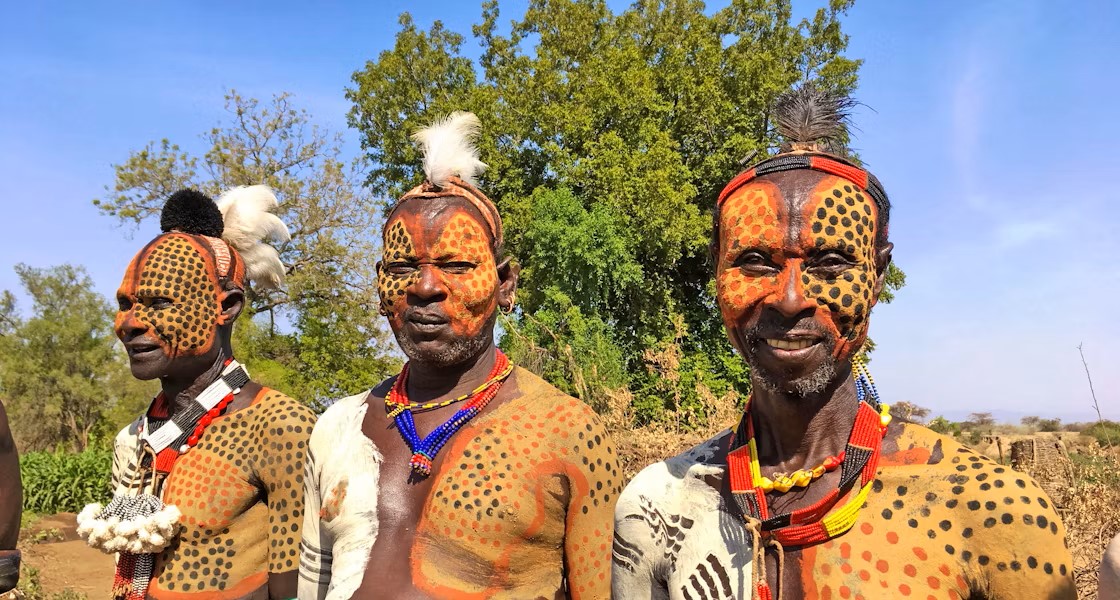
10 Feb Ethiopia African Festivals
A Living Celebration of Faith, Culture, and Community
Ethiopia is a country of vibrant colors, deep traditions, and ancient rituals. Its festivals are more than celebrations; they are a living expression of faith, culture, and community that have been preserved for centuries, especially in the ancient civilizations of northern Ethiopia. With a large and diverse population comprising many ethnic groups, Ethiopia offers a rich tapestry of cultural experiences for visitors. For travelers seeking cultural safaris and immersive experiences, Ethiopian festivals are unforgettable opportunities to witness traditions that feel as authentic today as they did hundreds or even thousands of years ago.
Unlike many tourist-focused events around the world, Ethiopian festivals are genuine, community-centered, and deeply spiritual. Attending one is like stepping into a story that has been unfolding for generations. An experience that connects travelers to Ethiopia’s people, history, and land in a profound way. Ethiopia is located in the Horn of Africa, occupying the eastern part of the continent and sharing borders with countries like Somalia and Djibouti, which adds to its strategic and regional significance.
Why Ethiopian Festivals Are Unique
Ethiopian festivals stand out across Africa for several reasons:
- Ancient continuity: Many festivals today follow rituals that have remained largely unchanged for centuries. Costumes are handmade, songs are sung in ancient languages, and ceremonies occur in historic locations.
- Community involvement: These celebrations are lived experiences, not staged performances. Locals actively participate in processions, music, dances, and feasts. Many Ethiopians from diverse backgrounds come together during these celebrations, highlighting the country’s rich ethnic diversity.
- Integration with daily life: Festivals are deeply woven into Ethiopia’s social fabric, connecting religion, agriculture, history, and seasonal cycles. Most Ethiopians participate in these festivals, making them a unifying force across the country.
For safari travelers, attending an Ethiopian festival offers a cultural depth that complements wildlife and landscape exploration, creating a journey that touches the senses, the mind, and the heart.
The Role of Geography and Climate in Shaping Festivals
Ethiopia’s festivals are as diverse and dynamic as the landscapes that define the country. Stretching from the lush highlands of the Ethiopian plateau to the dramatic peaks of the Simien Mountains and the fertile valleys carved by the Blue Nile River, Ethiopia’s geography is a powerful force in shaping its cultural calendar. The interplay of climate and terrain not only determines the timing of major celebrations but also infuses each festival with unique local flavors, traditions, and rituals.
In southern Ethiopia, the rhythm of life is closely tied to the land and its cycles. Here, the Oromo people mark the arrival of the new year with Irreecha, a vibrant thanksgiving festival that coincides with the end of the rainy season.
As the fields turn green and the rivers swell, communities gather to give thanks for the harvest, sharing traditional Ethiopian food like injera and wats, and celebrating with music, dance, and colorful traditional dress. The festival’s timing and customs are a direct reflection of the region’s agricultural abundance and the importance of nature in daily life.
Travel north, and the influence of geography is equally profound. In the northern region, especially among Orthodox Christians, the Timkat festival unfolds against the backdrop of ancient churches and the life-giving waters of the Blue Nile River. The river, flowing through the heart of the Ethiopian plateau, is not just a physical landmark but a symbol of spiritual renewal during this sacred celebration. The cool, temperate climate of the highlands, including the Simien Mountains, sets the stage for processions, prayers, and the donning of traditional clothes that have been passed down through generations.
Ethiopia’s festivals are also deeply connected to the country’s agricultural commodities and natural resources. Coffee, one of Ethiopia’s most celebrated exports, is often at the heart of communal gatherings and ceremonies, with international partners like the Italian government supporting the growth of this vital industry. Traditional dress, crafted from local cotton and adorned with gold and copper, showcases the country’s rich natural resources and artisanal heritage during festival celebrations.
At the regional level, areas like the Tigray region contribute their own distinctive traditions to Ethiopia’s festival landscape. The Tigray Festival, for example, features lively brass bands, traditional dances, and the active participation of respective churches, highlighting the diversity and resilience of local cultures.
As one of the fastest growing economies in sub-Saharan Africa, Ethiopia stands at the crossroads of tradition and modernity. Its festivals are not only a testament to the country’s enduring spirit but also a beacon for travelers seeking authentic experiences in Africa. Whether you’re drawn to the ancient rituals of the north or the vibrant celebrations of the south, Ethiopia’s festivals offer a window into a world where geography, climate, and culture are inextricably linked, and where every celebration is a living story waiting to be discovered.
Timkat: Ethiopia’s Most Spectacular Festival
One of the most visually and spiritually striking festivals in Ethiopia is Timkat, celebrated every January. Timkat marks the Epiphany or baptism of Jesus Christ, and it is observed nationwide, with some of the most famous celebrations in Gondar, Lalibela, and Addis Ababa.
During Timkat:
- Priests carry Tabots, sacred replicas of the Ark of the Covenant, in grand processions through towns and villages. The Tabot symbolizes the Ark of the Covenant, which is believed to contain the Ten Commandments.
- Participants sing ancient hymns, beat drums, and dance in joyful celebration.
- Devotees gather near rivers and pools for blessings, and mass baptisms are held in the early morning hours.
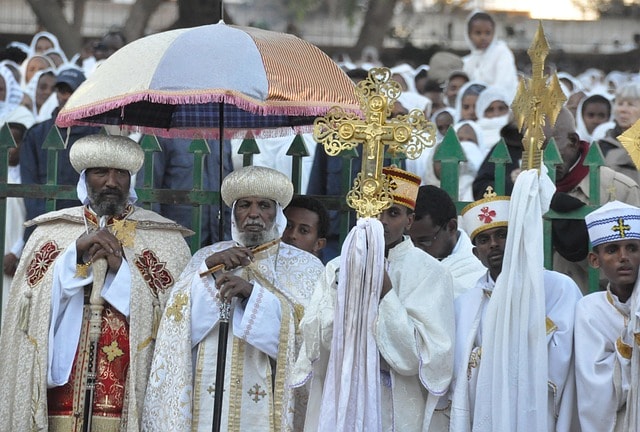
For travelers, Timkat is an immersive, multi-sensory experience: the colors of robes, the echo of chants, the energy of crowds, and the sacred water ceremonies all create memories that last a lifetime. The festival’s spirit of unity and celebration echoes the historical strength and unity of Ethiopian troops, who have long defended their traditions and homeland during major national celebrations. It is a festival where visitors are not spectators but participants in a living tradition.
Meskel: Fire, Faith, and UNESCO Recognition
Meskel, celebrated in September, commemorates the discovery of the True Cross by Empress Helena in the 4th century. Empress Helena, mother of Roman Emperor Constantine, is historically significant for her role in Christian tradition and is credited with finding a fragment of the True Cross, an event that inspired the Meskel festival in Ethiopia. The highlight of the festival is the lighting of a massive bonfire called the Demera, which symbolizes the triumph of light over darkness.
The origins of Meskel date back to the Middle Ages, reflecting Ethiopia’s rich historical and religious traditions that have been preserved for centuries.
Key aspects of Meskel include:
- Large crowds gathering around the Demera, singing hymns and performing traditional dances.
- Colorful traditional garments and flower decorations that fill the streets.
- Spiritual significance, as the direction of the flames is believed to predict blessings for the coming year.
Meskel has been recognized by UNESCO as an Intangible Cultural Heritage of Humanity, making it a must-see for travelers interested in ancient rituals that are still celebrated today.
Enkutatash: Ethiopian New Year
Ethiopia celebrates its New Year, Enkutatash, in September, coinciding with the end of the rainy season. The festival is named after the giving of jewels (“Enku”) and is a time of renewal, hope, and family gatherings.
During Enkutatash:
- Fields bloom with yellow daisies, creating breathtaking scenery for visitors.
- Children sing songs door-to-door, wearing new clothes and performing a traditional clothes dance as they dance through the villages, offering small gifts of flowers.
- Families gather for meals, prayers, and celebrations.
New Year’s Eve is marked by special gatherings, fire lighting, and festive anticipation, with communities coming together to celebrate the transition into the Ethiopian New Year.
For travelers, Enkutatash is a joyful cultural experience, combining pleasant weather, vibrant visuals, and opportunities to engage with local communities.
Irreecha: Oromo Thanksgiving Festival
Irreecha is a thanksgiving festival celebrated by the Oromo people, Ethiopia’s largest ethnic group. The festival honors life, nature, and the blessings of the year.
Key elements include:
- Celebrations held near lakes and rivers, where participants carry flowers and grasses.
- Traditional songs, dances, and rituals expressing gratitude and unity.
- Strong symbolic connection between people and the natural world.
Irreecha offers travelers an opportunity to experience Ethiopia’s indigenous traditions and gain insight into the spiritual and cultural life of local communities.
Fasika and Gena: Sacred Christian Observances
Ethiopia follows a unique Orthodox Christian calendar, and Fasika (Easter) and Gena (Christmas) are celebrated with deep religious devotion.
- Fasika: Begins with a 55-day fast and culminates in midnight church services, prayers, and communal feasts at dawn.
- Gena: Observed in January, with traditional games, music, and religious ceremonies.
Travelers visiting during these holidays witness profound expressions of faith, participate in joyous communal meals, and experience the rich spiritual traditions of Ethiopia.
Regional Festivals Across Ethiopia and Addis Ababa
Beyond the major national festivals, Ethiopia’s diverse ethnic groups host hundreds of local festivals:
- Harvest celebrations honoring agricultural cycles.
- Weddings and initiation ceremonies with elaborate music and dances.
- Religious observances unique to local communities, including Ethiopian Muslims who celebrate distinctive festivals such as Mawlid and Ramadan, contribute to the country’s rich festival calendar.
- Tigray province is known for its own distinctive festival traditions, reflecting the region’s unique cultural heritage.
For safari travelers, attending regional festivals allows for intimate and authentic cultural experiences, far from tourist crowds.
How to Experience Ethiopian Festivals as a Traveler
Visiting Ethiopian festivals requires respect and preparation:
- Dress modestly and appropriately for religious events.
- Ask for permission before taking photos of participants.
- Observe rituals quietly and participate only when invited.
- Consider hiring a local guide who can explain the history, meaning, and etiquette of the festivals.
Following these guidelines ensures an immersive and respectful experience that benefits both visitors and the local communities.
Why Festivals Elevate a Safari in Ethiopia
Ethiopian festivals transform a safari into a full cultural journey. While wildlife and landscapes are unforgettable, festivals provide:
- Emotional depth and human connection.
- Insights into ancient traditions and communal life.
- Opportunities for photography, storytelling, and cultural learning.
For travelers who want more than just a game drive, attending festivals adds layers of richness and authenticity to an African safari.
Conclusion
Ethiopia’s festivals are living heritage, vibrant celebrations, and windows into the soul of the country. From the dazzling colors of Timkat to the spiritual fire of Meskel, the joy of Enkutatash, the thanksgiving of Irreecha, and the sacred observances of Fasika and Gena, each festival offers travelers a once-in-a-lifetime cultural encounter.
Ethiopia, located in eastern Africa, is a federal democratic republic with a rich political history and a dramatic landscape that includes some of Africa’s highest peaks, such as Ras Dejen. Ethiopia produces major agricultural exports like coffee and wine, which are integral to its economy and culture. The country’s history is shaped by legendary figures such as King Solomon and Menelik II, the latter renowned for defending Ethiopia’s independence during the conflict and war with colonial powers, notably in the Battle of Adwa between the two nations of Ethiopia and Italy.
BOOKING AN ETHIOPIA ADVENTURE
For those interested in exploring Ethiopia’s rich cultural heritage, we recommend checking out our specially curated itineraries for cultural visits in Ethiopia. To ensure a seamless and authentic experience, it’s important to book your trip with a trusted tour operator who knows the country well. If you’re planning a journey to Ethiopia and want expert guidance and personalized service, please don’t hesitate to contact us at Campofrio Safaris. We’re here to help you craft an unforgettable adventure.
For safari enthusiasts and cultural travelers alike, attending Ethiopian festivals is an essential part of experiencing the country. They provide meaning, connection, and memories that go far beyond the ordinary.
If your African safari dreams include wildlife, breathtaking landscapes, and deep cultural immersion, then Ethiopia’s festivals should be on your itinerary — a perfect complement to your adventure in the cradle of humanity.

No Comments