

29 Jan Best Time to Go Gorilla Trekking in Uganda: A Complete Travel Guide
Gorilla trekking in Uganda is one of Africa’s most extraordinary wildlife experiences. Walking through ancient rainforests, surrounded by towering trees and the sounds of birds and distant wildlife, and then coming face-to-face with endangered mountain gorillas is both humbling and unforgettable. Uganda’s lush environment is further enriched by its proximity to Lake Victoria and the Victoria Nile, which contribute to the region’s biodiversity and vibrant landscapes. Situated in East Africa, Uganda benefits from its regional connections and diverse ecosystems. Planning your trip carefully, particularly knowing the best time to go gorilla trekking in Uganda, can make a huge difference in your experience. From easier hiking conditions to breathtaking photography opportunities, timing can transform a great adventure into a truly magical one.
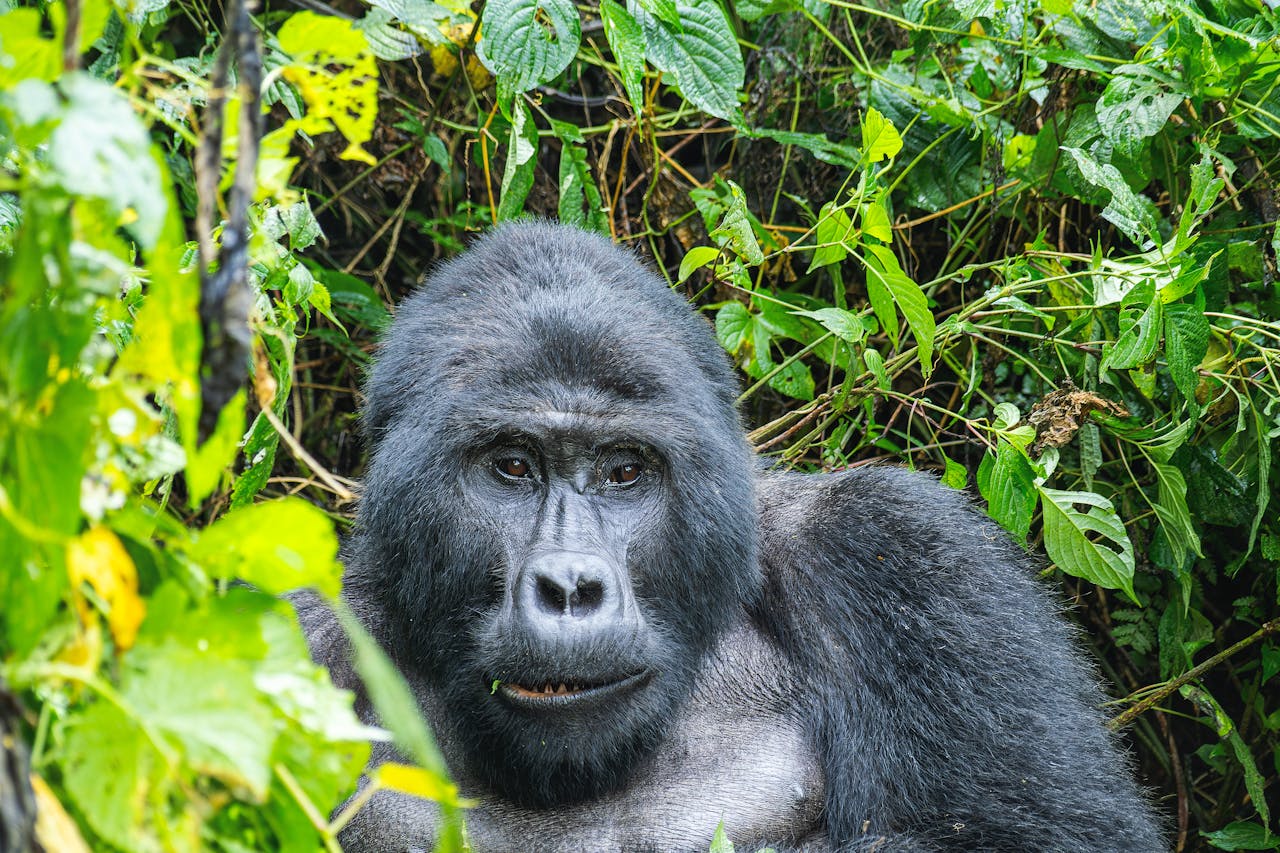
Gorilla trekking is possible throughout the year in Uganda, primarily in Bwindi Impenetrable National Parkand Mgahinga Gorilla National Park. Bwindi Impenetrable Forest, a UNESCO World Heritage Site, is renowned as a prime habitat for endangered species, including the mountain gorilla, and offers one of the world’s best opportunities to observe these animals in their natural environment. Unlike other wildlife, mountain gorillas do not migrate, which means that once you have a permit, sightings are almost guaranteed. However, each season brings its own atmosphere, challenges, and advantages, making some periods better suited depending on what kind of experience you are seeking. Weather, trail conditions, and visitor numbers all vary across the months, and understanding these differences can help you plan the perfect trek.
Seasons for Gorilla Trekking
Dry Seasons
The dry seasons in Uganda are widely regarded as the best time for gorilla trekking. From June to September, the long dry season offers the most favorable conditions. Forest trails are firm and less slippery, making the often-steep hikes more manageable.
The weather is generally predictable, allowing you to focus on the beauty around you rather than navigating muddy paths. Clearer skies and sunlight filtering through the dense canopy create stunning opportunities for photography, capturing gorillas in their natural environment with vibrant forest backdrops.
Because this is the peak trekking season, it is important to book gorilla permits and accommodation well in advance to secure your place in the park. Choosing a reputable tour operator based in Ugandais essential for organizing permits and logistics, ensuring a smooth and expertly guided experience.
Shorter Dry Season
A second, shorter dry season occurs between December and February. These months are ideal for travelers seeking a balance of good trekking conditions and slightly fewer crowds than the mid-year peak. The forest remains lush, and temperatures are comfortable for hiking. Many visitors plan their trips during this time to coincide with holiday travel, making it a convenient and enjoyable period for families or groups. Despite being slightly less busy than June to September, the trails still maintain excellent accessibility, and the wildlife is as active as ever.
Rainy Seasons
While the dry seasons are ideal for ease of trekking, the rainy seasons—from March to May and October to November—offer a different kind of experience. Fewer tourists mean a quieter, more intimate trekking experience, where it often feels as if the forest is all yours.
The gorillas themselves sometimes remain at lower elevations due to abundant vegetation, which can result in shorter, albeit wetter, treks. For adventurous travelers who enjoy immersion in raw nature, the rainy months offer a memorable and deeply personal encounter with Uganda’s wildlife.
Lake Kyoga, another significant freshwater body in central Uganda, also contributes to the country’s unique ecosystems and the lushness experienced during the rainy season. Additionally, Lake Albert, one of Uganda’s largest lakes and a key part of the Nile basin, plays an important role in supporting regional biodiversity and water resources.
Understanding the differences between the seasons helps when planning your itinerary. In the dry months of June to September and December to February, hiking is easier, and photographers can take advantage of natural light filtering through the forest canopy.
During the wet months, from March to May and October to November, visitors encounter fewer people and experience the forest in its most vibrant, dramatic form. Both options offer unique advantages depending on whether your priority is comfort, solitude, or immersion in lush scenery.
Photography enthusiasts often prefer the dry seasons because of the stability of the trails and clear conditions, which allow for sharper, well-lit images. However, the rainy season offers its own charm. Mist drifting through dense greenery, droplets on leaves, and the overall atmosphere of a forest nourished by rain create dramatic and unique photo opportunities that can’t be replicated during the dry months. Both seasons have their own magic, and every trek promises incredible moments to capture and remember.
Ultimately, the best time to go gorilla trekking in Uganda depends on your personal preferences, travel style, and budget. If you prefer easier hikes and predictable weather, the dry seasons are perfect. If you enjoy quieter parks, greener forests, and don’t mind a little mud on your boots, the rainy seasons provide a more intimate and adventurous encounter with the gorillas. No matter the season, trekking through Uganda’s rainforests and meeting mountain gorillas in the wild is a once-in-a-lifetime experience that leaves a lasting impression. Gorilla tourism not only offers unforgettable encounters but also plays a vital role in Uganda’s economic growth and supports ongoing conservation efforts for endangered species.
Why Go Mountain Gorilla Trekking in Uganda?
Uganda stands out as one of Africa’s premier destinations for mountain gorilla trekking, offering an unparalleled opportunity to encounter these endangered great apes in their natural habitat. With roughly half of the world’s total population of mountain gorillas residing within its borders, Uganda is a sanctuary for these gentle giants.
Bwindi Impenetrable National Park and Mgahinga Gorilla National Park are the crown jewels for gorilla trekking, while Kibale National Park adds to the country’s reputation as a primate haven. For those considering regional options, Uganda’s gorilla trekking experiences are often compared to those in Rwanda’s Volcanoes National Park, another renowned destination in the Virunga Mountains known for its significant gorilla population and primate viewing opportunities.
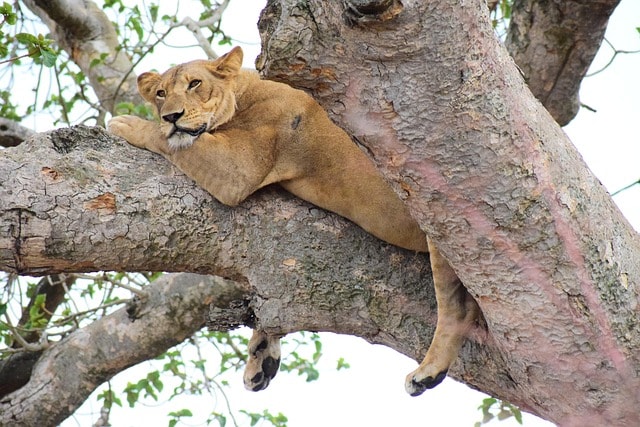
What sets Uganda apart is the variety of experiences available—from classic gorilla trekking to the immersive gorilla habituation experience, where you can spend extended time with a gorilla group as they become accustomed to human presence. Beyond gorillas, Uganda’s wild places offer the chance to witness the famous tree-climbing lions of Ishasha, embark on chimpanzee trekking adventures, and enjoy a classic African safari teeming with wildlife.
Whether you’re a seasoned explorer or a first-time visitor, Uganda’s blend of biodiversity, adventure, and authentic encounters makes it a must-visit destination for anyone passionate about great apes and Africa’s natural wonders.
Overview of Uganda’s Gorilla Parks: Bwindi Impenetrable National Park
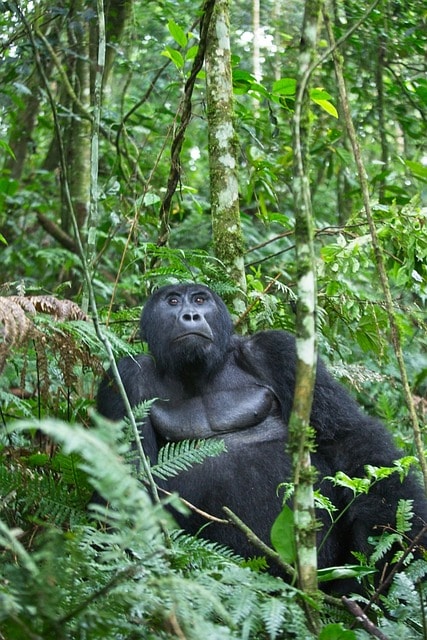
Uganda’s national parks and reserves are a treasure trove for wildlife enthusiasts, especially those eager to track mountain gorillas. Bwindi Impenetrable National Park is the most renowned, sheltering over 400 mountain gorillas and offering a network of well-established trekking routes through its dense, ancient forest.
Mgahinga Gorilla National Park, nestled in the dramatic Virunga Mountains, is home to several gorilla groups and is also a hotspot for other primates and unique monkey species. While Kibale National Park is celebrated for its chimpanzee trekking, it also supports a small population of mountain gorillas, making it a versatile destination for primate lovers.
Beyond gorilla trekking, Uganda’s other national parks—such as Queen Elizabeth National Park, Murchison Falls National Park, and Kidepo Valley National Park—offer a wealth of wildlife experiences, from the thunderous spectacle of Murchison Falls to the sweeping vistas of the Western Rift Valley. Each park brings its own character and array of wildlife, ensuring that every safari in Uganda is as diverse as it is unforgettable.
Obtaining a Permit
Securing a permit is the essential first step for anyone dreaming of mountain gorilla trekking in Uganda’s legendary national parks. Whether your journey leads you to the mist-shrouded trails of Bwindi Impenetrable National Park, the volcanic slopes of Mgahinga Gorilla National Park, or the wildlife-rich expanses of Queen Elizabeth National Park, Murchison Falls National Park, and Kidepo Valley National Park, permits are your passport to adventure and conservation.
For mountain gorilla trekking, permits are strictly limited to protect the endangered mountain gorillas and their fragile natural habitat. These permits, often denominated in US dollars, are in high demand and should be reserved well in advance—especially during peak seasons.
The process is straightforward: you can obtain permits directly through the Uganda Wildlife Authority or, for a seamless experience, work with a trusted tour operator like Campofrio Safaris, who will handle all logistics and ensure your place on the trek.
The cost of a gorilla trekking permit not only grants you the rare privilege to track mountain gorillas in the wild but also plays a vital role in conservation. Revenue from permits supports the ongoing protection of these gentle giants, funds anti-poaching patrols, and contributes to the management of Uganda’s national parks. This includes safeguarding other iconic species such as the tree climbing lions of Ishasha in Queen Elizabeth National Park and the chimpanzees of Kibale National Park. By obtaining a permit, you are directly supporting the preservation of Uganda’s extraordinary biodiversity and the livelihoods of local communities.
In addition to gorilla trekking, permits are required for other sought-after experiences, such as chimpanzee trekking and special excursions within the parks. Each activity has its own requirements and fees, so it’s wise to consult with your tour operator or the Uganda Wildlife Authority for the latest information and to tailor your itinerary to your interests.
In summary, obtaining a permit is more than just a travel formality—it’s your contribution to the ongoing story of conservation in Africa. Whether you’re planning to track mountain gorillas, encounter other primates, or embark on a classic African safari, Uganda’s national parks offer a truly unique and meaningful adventure. Let Campofrio Safaris guide you through the process, ensuring your journey is as effortless as it is unforgettable.
When is the Best Time to Go Gorilla Trekking?
Choosing the best time for gorilla trekking in Uganda depends on your personal preferences and what you hope to experience. The dry season, spanning June to September, is widely regarded as the optimal period for gorilla trekking, thanks to drier trails and easier tracking conditions.
However, the wet season, from October to May, transforms the landscape into a lush, green paradise and often brings the gorillas to lower elevations, making for potentially shorter treks. Gorilla trekking is available year-round, but it’s important to consider that permits and tours may be in higher demand—and at a premium—during peak months. Weather and road conditions can also influence your experience, especially during the rainy season when access to the parks may require more planning and flexibility. Ultimately, whether you prefer the comfort of dry trails or the vibrant solitude of the rainy season, Uganda offers unforgettable gorilla encounters throughout the year.
Weather and Climate in Uganda
Uganda’s climate is predominantly tropical, with temperatures typically ranging from 18°C to 28°C, making it comfortable for travel year-round. The country experiences two main seasons: a dry season from June to September, and a wet season from October to May. While the dry season brings sunny days and ideal conditions for gorilla trekking, the wet season is characterized by heavy rainfall and increased humidity, especially in the lush forests and high-altitude regions like the Rwenzori Mountains.
These high-altitude areas tend to be cooler and receive more rainfall, so visitors should be prepared with warm layers and waterproof gear. Packing lightweight, breathable clothing is recommended for the dry months, while sturdy boots and rain protection are essential for the wetter periods. The weather not only shapes your trekking experience but also influences the behavior of wildlife, adding an extra layer of adventure to your journey through Uganda’s diverse landscapes.
If you’re ready for an unforgettable Uganda safari—be it mountain gorilla trekking, classic wildlife tours, or custom cultural experiences—Campofrio Safaris is here to help. CONTACT US TODAY to start planning your perfect East Africa adventure with personalized service and expert guidance.

No Comments