


05 Mar How Much Does a Luxury Kenya Safari Cost in 2026?
If you’re researching how much a luxury Kenya safari costs in 2026, you’re likely past the dreaming stage. You’ve seen the golden savannah images. You’ve watched river crossings unfold on documentaries. Now you’re asking the practical question:
What will this actually cost — and what am I getting for that investment?
The name Africa has a rich historical and geographical significance, denoting a continent renowned for its vast landscapes and diverse cultures. Among the individual countries that make up Africa, Kenya stands out as a premier safari destination, celebrated for its unique wildlife and cultural experiences.
In 2026, a thoughtfully designed 7–10 day luxury Kenya safari typically ranges between $8,500 and $16,000 per person, depending on season, accommodation level, routing, and exclusivity.
But the real story behind Kenya safari pricing is more nuanced than a number. Because a safari here is not a typical vacation. It is access to protected ecosystems, small-scale luxury camps, expert guiding, aviation logistics, conservation funding, and one of the most wildlife-rich landscapes on Earth. Kenya is recognized around the world for its extraordinary biodiversity and iconic wildlife encounters.
Let’s break down what shapes the cost — and why Kenya continues to define the benchmark for the African safari experience. Africa lies between the Atlantic and Indian Oceans, straddling the equator, and Kenya’s location within this vast continent makes it a gateway to some of the most celebrated safari regions.
What “Luxury” Means on a Kenya Safari
Luxury in Kenya does not simply mean five-star interiors.
It means:
-
Prime wildlife locations
-
Low vehicle density
-
Personalized guiding
-
Seamless bush flights
-
Small boutique camps (often 8–12 tents)
-
Strong conservation partnerships
The difference between a mid-range safari and a luxury Kenya safari often lies in where you are located within an ecosystem.
For example, in the iconic Masai Mara, there are public reserve areas and private conservancies. Camps inside conservancies limit the number of vehicles per wildlife sighting and allow more flexibility in game viewing. That exclusivity comes at a premium — but it dramatically elevates the experience.
So when evaluating a luxury Kenya safari price, location is the first major factor.
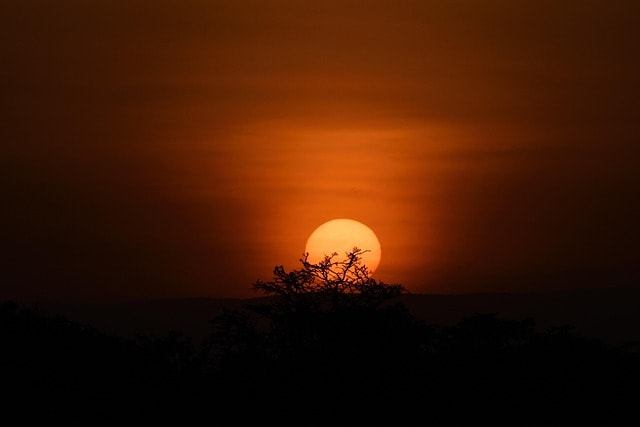
Average Luxury Kenya Safari Cost in 2026
Here’s a realistic pricing framework for 2026:
-
6–7 Days (High Season): $8,500–$12,000 per person
-
8–10 Days (Multi-Region): $12,000–$16,000 per person
-
Ultra-Luxury or Peak Migration: $16,000+ per person
These figures typically include:
-
Accommodation
-
All meals and most beverages
-
Daily guided game drives
-
Park and conservancy fees
-
Bush flights between regions
-
Transfers
International airfare, travel insurance, and optional experiences (like hot air balloon safaris) are generally additional.
The Biggest Cost Variable: Season
When calculating your Kenya safari cost in 2026, the time of year matters enormously.
-
July–September: Migration Peak. This is the most expensive period, as it coincides with the Great Migration in the Masai Mara. August, in particular, is a prime month for witnessing dramatic river crossings and large herds, making it one of the best times to visit for wildlife enthusiasts.
July–September: Migration Peak
This is when dramatic river crossings often occur in the Masai Mara. Wildlife density is high, and global demand surges.
A 7-day luxury safari during this period often falls between $11,000 and $14,000 per person.
Camps frequently book out 9–12 months in advance.
January–March: Dry & Underrated
Wildlife viewing is exceptional. Predator activity increases during calving season. Skies are clear, and crowds are lower.
Prices can be 15–25% lower than peak migration.
April–May: Green Season
Landscapes are lush. Rates drop significantly. Some camps close temporarily, but many high-end travelers deliberately choose this period for privacy and value.
If flexibility exists, seasonality can shift your total investment by several thousand dollars.
What Does the Price Actually Cover?
To understand Kenya safari packages, imagine the journey.
You land in Nairobi and are met by a representative who handles your transfer smoothly. Soon after, you board a bush aircraft flying low over the Rift Valley.
Instead of a long road transfer, you land on a remote airstrip near your camp.
As part of your itinerary, you visit iconic parks and reserves such as the Masai Mara or Amboseli, experiencing their unique wildlife and landscapes firsthand.
Your camp may sit within a private conservancy bordering the Masai Mara. It hosts fewer than a dozen guests at any time. There is no lobby crowd. No bus tours.
Your guide is highly trained, often with over a decade of field experience. Game drives depart at optimal wildlife hours, not fixed hotel schedules.
Park and conservancy fees alone can exceed $200–$400 per person per night depending on the region. Bush flights may cost $400–$600 per segment.
Luxury tented camps themselves range between $900 and $2,000 per person per night depending on season and exclusivity.
When layered together — accommodation, flights, fees, guiding, logistics — the overall price becomes more transparent.
Preparing for a Luxury Safari: Research and Online Security
Planning a luxury safari across the African continent is as much about anticipation as it is about adventure. Before you set foot in the wilds of eastern Africa or the sweeping savannahs of southern Africa, your journey begins online—where research and digital security are just as important as choosing the right destination.
Start by exploring the diverse safari experiences available in many African countries. From the iconic game drives of Kruger National Park in South Africa to the legendary wildlife encounters in Tanzania’s Ngorongoro Crater and the Okavango Delta of northern Botswana, each region offers its own unique take on the classic safari. Don’t overlook the dramatic landscapes of central Africa or the cultural richness of north Africa, where major cities like Cape Town serve as gateways to unforgettable adventures.
To ensure your safari experience truly reflects your interests and expectations, it’s essential to select a tour operator with extensive expertise and a proven track record. Experienced operators like Campofrio Safaris, understand the nuances of the region, have established relationships with local communities and conservation partners, and can tailor your itinerary to maximize wildlife encounters and cultural immersion. Their knowledge and professionalism help guarantee a seamless, safe, and unforgettable journey that aligns perfectly with your travel goals.
When evaluating safari companies, look for those with a strong reputation for both guest satisfaction and data security. Read reviews, check for secure payment portals, and ensure the operator’s website uses encryption to guard against data leaks. Reputable providers will offer transparent information about their itineraries, conservation efforts, and safety protocols—both in the bush and online.
Consider what kind of safari experience excites you most. Are you drawn to the great migration in the Maasai Mara, the walking safaris of Chobe National Park, or the remote beauty of the Rift Valley? Each destination—whether in sub-Saharan Africa, the east coast, or northwestern Africa—offers something distinct. Major cities like Johannesburg and Nairobi are excellent starting points, connecting you to the heart of Africa’s wilderness.
By taking these steps, you ensure that your journey—from the first web page you browse to the moment you set out on a walking safari—is secure, informed, and tailored to your dreams. With careful research and robust online security, you’ll be ready to book a luxury safari that not only meets but exceeds your expectations, leaving you free to focus on the wildlife, landscapes, and unforgettable moments that await in Africa.
Start your adventure with confidence—explore, compare, and book knowing your information is protected, and let the magic of Africa unfold before you. CONTACT US NOW TO GET A CUSTOMISED QUOTATION
Beyond the Maasai Mara: Adding Depth to Your Safari
While the Masai Mara is the most searched destination when researching Kenya safari cost 2026, Kenya offers far more than one ecosystem.
In Amboseli National Park, elephants roam against the backdrop of Mount Kilimanjaro. The landscape is open, dramatic, and ideal for photography.
Further north, the Laikipia Plateau offers private conservancies known for rhino conservation and extremely low tourism density. Activities may include guided bush walks or horseback safaris.
In Samburu National Reserve, arid terrain introduces rare northern species like Grevy’s zebra and reticulated giraffe.
For those extending their journey into Tanzania, the Ngorongoro Crater is a highlight—its steep, forested crater rim provides breathtaking views and is home to several lodges that overlook the crater, offering a unique vantage point for wildlife viewing and unforgettable accommodation experiences.
Combining two or three regions creates a layered journey — but increases cost due to additional flights and conservancy fees.
A well-structured 10-day itinerary covering multiple ecosystems typically ranges from $13,000 to $18,000 per person in high season.
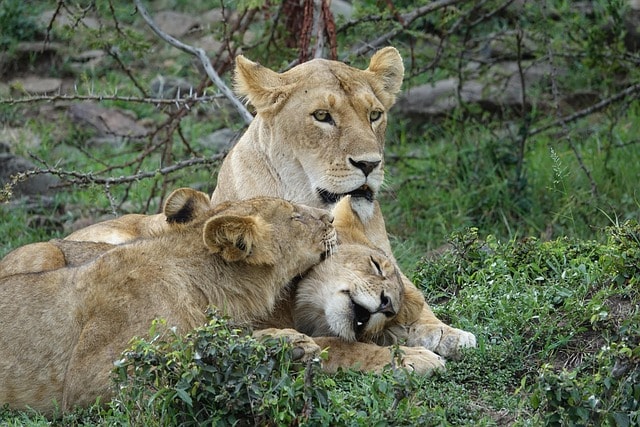
Why Kenya Can Cost More Than Some Southern Africa Safari Destinations
Travelers sometimes compare Kenya with Tanzania, particularly the neighboring Serengeti National Park.
While Tanzania offers vast public park landscapes, Kenya pioneered the private conservancy model. Conservancies limit camp numbers and vehicle density, creating exclusivity but also increasing operational costs.
In Kenya, safaris start most often from Nairobi, with seamless transfers to iconic reserves like the Maasai Mara, while in Tanzania, safaris typically begin in Arusha before heading into the Serengeti or other parks. This difference in where safaris start can influence travel logistics and the overall experience.
The result?
Kenya safari packages may appear slightly higher priced — especially in migration season — but often deliver a more intimate wildlife experience.
For many luxury travelers, that intimacy enhances perceived value.
Conservation and Community Impact
A meaningful portion of your Kenya safari cost supports conservation.
Park fees and conservancy payments fund:
-
Anti-poaching patrols
-
Wildlife corridor protection
-
Habitat management
-
Direct income to Maasai landowners
This model incentivizes land preservation rather than development.
When you invest in a luxury Kenya safari, you are contributing to the long-term sustainability of one of the world’s most important wildlife ecosystems.
Is a Luxury Kenya Safari Experience Worth the Investment?
The financial commitment is significant.
But so is the experience.
Watching a lion pride at sunrise. Hearing hyenas in the distance at night. Seeing elephants move across golden plains. Witnessing part of the Great Migration in real time.
Luxury in Kenya is not about extravagance. It is about immersion.
You are placed in the heart of wild Africa — without sacrificing comfort, safety, or seamless service.
For couples, it becomes deeply romantic. For families, it becomes educational and perspective-changing. For seasoned travelers, it often ranks among the most profound journeys they’ve taken. While travel in Europe offers rich history and culture, a Kenya safari delivers a unique connection to nature and wildlife that is unmatched by European destinations.
A Realistic Budget Guide for 2026
If you are actively planning:
-
Budget $9,000–$12,000 per person for a refined 7–8 day safari in high season.
-
Budget $13,000–$16,000 per person for a multi-region 9–10 day journey.
-
Expect migration peak (July–September) to sit at the upper end of those ranges.
Booking early often secures better availability and optimal routing.
Final Thoughts
So, how much does a luxury Kenya safari cost in 2026?
Financially, between $8,500 and $16,000 per person depending on season and structure.
Experientially, it offers something far rarer: protected access to one of Earth’s last great wildlife theaters.
Kenya remains one of the most refined safari destinations in Africa — blending conservation, exclusivity, and diverse ecosystems into a journey that feels both timeless and transformative.
The true value is not just in what you spend.
It’s in what you experience — and what you help preserve.
And for many travelers in 2026, that makes the investment not only worthwhile —
—but unforgettable.

No Comments