


26 Feb Safari in Serengeti National Park
Safari in Serengeti National Park: The Ultimate Guide for First-Time Travelers
If you are dreaming of an African safari, chances are you are picturing the vast golden plains of Serengeti, dotted with acacia trees and wildlife stretching to the horizon. A safari in Serengeti National Park is not just a trip — it is one of the most iconic wildlife experiences on earth.
Located in northern Tanzania, the Serengeti is world-famous for its endless savannahs, high concentration of wildlife, and the spectacular Great Migration. The Serengeti straddles the border between the country of Tanzania and Kenya, with the Kenyan border marking the northern edge of the ecosystem and connecting it to Kenya’s Maasai Mara National Reserve. Whether you are planning a luxury safari, a honeymoon adventure, or a once-in-a-lifetime family trip, this guide will help you understand what to expect, when to go, how much it costs, and how to plan the perfect Serengeti safari.
Introduction to East Africa
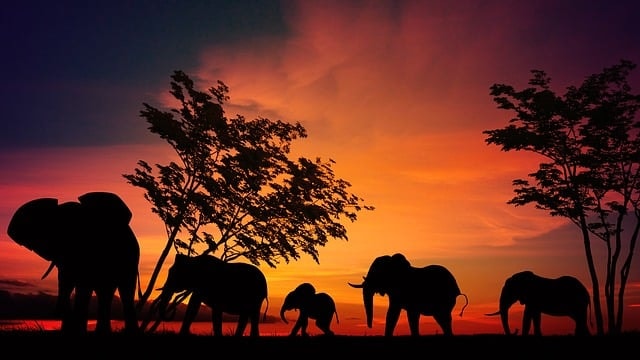
East Africa is a region where adventure and natural beauty come together in spectacular fashion. Home to some of the world’s most celebrated national parks, including the legendary Serengeti National Park in Tanzania and the Maasai Mara National Reserve in Kenya, this part of Africa is a dream destination for wildlife lovers and explorers alike. The endless plains of the Serengeti and the diverse habitats of the Maasai Mara offer unrivaled opportunities for game viewing, walking safaris, and the unforgettable experience of a hot air balloon ride at sunrise.
From the lush gallery forests of the northern Serengeti to the vast plains that stretch across the region, East Africa is a haven for those seeking both excitement and tranquility. Whether you’re watching herds of animals move across the plains or soaking in the breathtaking views from above in a hot air balloon, every moment here feels like a scene from a nature documentary. With its rich cultures, dramatic landscapes, and abundant wildlife, East Africa promises a safari adventure that will stay with you for a lifetime.
Why Visit Serengeti National Park?
Serengeti National Park is one of Africa’s most celebrated wildlife destinations. It covers approximately 14,750 square kilometers (5,700 square miles) of diverse ecosystems — from open grasslands and riverine forests to rocky outcrops known as kopjes.
Serengeti National park is home to:
- Over 2 million wildebeest
- Hundreds of thousands of zebras and gazelles
- Africa’s largest lion population
- Leopards, cheetahs, elephants, giraffes, buffalo
- Over 500 bird species
The landscapes are breathtaking and cinematic. The annual migration, a massive and predictable movement of over 1.5 million wildebeest and hundreds of thousands of zebras and gazelles, defines the Serengeti ecosystem. This ecological phenomenon is crucial for maintaining the balance of the park’s wildlife and is recognized as one of the most significant natural events on the planet.
The Great Migration: Serengeti’s Most Famous Event
The Great Migration is a year-round movement of over 1.5 million wildebeest, accompanied by zebras and gazelles, as they search for fresh grazing. The wildebeest migration is a major natural event that defines the Serengeti, drawing visitors from around the world to witness its spectacle. It is not a single event — it is a continuous cycle.
Here is a simplified breakdown:
- January–March: About January, the rainy season begins in the southern Serengeti, triggering calving season, intense wildlife migrations, and increased predator activity as herds gather to graze and give birth.
- April–June: Herds move north
- July–October: River crossings in northern Serengeti, with August being a peak month for dramatic Mara River crossings as thousands of wildebeest and zebras brave the waters.
- November–December: Migration returns south
The river crossings — especially along the Mara River — are dramatic moments when wildebeest plunge into crocodile-infested waters. Rivers like the Mara are vital features of the Serengeti ecosystem, shaping migration routes, supporting wildlife during the dry season, and creating diverse habitats throughout the park. However, even outside migration season, the Serengeti offers incredible wildlife viewing year-round.
Best Time to Visit Serengeti
The Serengeti is a year-round safari destination, but timing depends on what you want to see. The high season coincides with the dry months, when visitor numbers and prices are at their highest, making it a popular but busier time for wildlife viewing. The Serengeti experiences two rainy seasons each year, which influence migration patterns and safari conditions.
June to October (Dry Season)
This is the most popular time. Wildlife is easier to spot because animals gather around water sources. The weather is dry and sunny. River crossings often happen between July and September in the northern Serengeti.
This is peak season, meaning higher prices and advanced booking required.
January to March (Calving Season)
This is an excellent time to visit the southern Serengeti. Thousands of baby wildebeest are born within weeks, attracting predators like lions and cheetahs. It is a fantastic time for dramatic wildlife photography.
April and May (Green Season)
Fewer tourists, lush landscapes, and lower prices. While there may be rain, wildlife viewing is still good. This is a great time for budget-conscious travelers.
What Animals Can You See in Serengeti?
A Serengeti safari offers the opportunity to see the “Big Five”: IE, Lion, Rhino, Buffalo, Leopard, and the Elephant.
The Serengeti’s vast land features sweeping plains, woodlands, and riverine forests, creating diverse habitats that support a remarkable range of wildlife.
In addition, you can see:
- Cheetahs hunting in open plains
- Hippos in river pools
- Crocodiles along riverbanks
- Hyenas, jackals, and serval cats
- Massive herds of wildebeest and zebra roaming the open land
- An abundance of plains game, including gazelles, impalas, and topis, which thrive throughout the year
The Serengeti is renowned for its large predators such as lions, leopards, cheetahs, hyenas, and wild dogs. These apex predators play a crucial role in maintaining the ecological balance of the ecosystem.
One of the most unforgettable experiences is witnessing a lion pride resting under a tree after a hunt or spotting a cheetah scanning the plains from a termite mound.
Types of Safaris in Serengeti
There are several ways to experience the Serengeti.
CLASSIC GAME DRIVES remain the most popular, offering close encounters with the Big Five and the Great Migration. Walking safaris provide a more intimate perspective, allowing you to track wildlife on foot with expert guides. For those seeking exclusivity, private safaris and mobile camps offer personalized service and flexibility. Family safaris and honeymoon safaris are tailored to create unforgettable moments for every traveler.
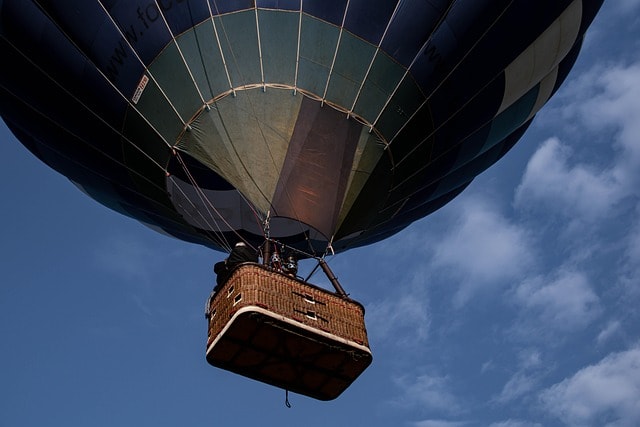
For a truly unforgettable adventure, consider a hot air balloon safari. This experience gives you a bird’s eye view of the Serengeti’s vast plains, winding rivers, and abundant wildlife. Floating silently above the landscape at sunrise, you can witness the Great Migration and spot animals from a unique vantage point, making it one of the most memorable ways to explore the park.
Many operators, including Campofrio Safaris, offer organized tours and customized itineraries to help travelers make the most of their Serengeti journey. These itineraries can be tailored to focus on wildlife, conservation, culture, or adventure, ensuring a meaningful and immersive safari experience.
1. Luxury Safari
Luxury tented camps and lodges offer en-suite bathrooms, gourmet meals, and private game drives. Some camps even follow the migration. This option provides comfort while keeping you immersed in nature.
2. Mid-Range Safari
Comfortable tented camps or lodges with excellent service and professional guides. This is the most popular option for many travelers. CONTACT US TO GET CUSTOMIZED QUOTES!!
3. Budget or Camping Safari
Public campsites or simple tented accommodations. This option is more adventurous and affordable.
CONTACT US TO GET CUSTOMIZED QUOTES!!
4. Fly-In Safari
Instead of driving from Arusha, you can fly into airstrips within the Serengeti. This saves time and is common for luxury travelers.
How Many Days Do You Need in Serengeti?
Ideally, you should spend at least 2 to 3 nights in the Serengeti. If you are following the migration, 3–4 nights is even better. The central Serengeti is a prime area for wildlife viewing, offering excellent game drive accessibility and a concentration of lodges, making it a strategic base during peak seasons. For those seeking a quieter experience and opportunities to spot big cats like cheetahs and lions, the eastern Serengeti provides unique habitats and fewer crowds.
Many travelers combine Serengeti with: (TANZANIA SAFARI DESTINATION MAP)
- Ngorongoro Crater and the adjacent Ngorongoro Conservation Area, which is renowned for Big 5 sightings and its close proximity to the Serengeti
- Tarangire National Park
- Lake Manyara
- Lake Victoria, located to the west of the Serengeti, which serves as a significant water source and ecological corridor for wildlife migration
- Zanzibar beach holiday
The Maswa Game Reserve, bordering the southern Serengeti, is an important part of the greater Serengeti ecosystem, supporting migration corridors and vital conservation efforts.
A typical Northern Tanzania safari itinerary lasts 7 to 10 days.
How Much Does a Serengeti Safari Cost?
The cost varies based on comfort level, season, and number of people.
On average (per person, per day):
- Budget safari: $250–$400
- Mid-range safari: $450–$700
- Luxury safari: $800–$1,500+
These prices typically include:
- Park fees
- Accommodation
- Meals
- Professional guide
- 4×4 safari vehicle
- Airport transfers
Flights to Tanzania are separate.
Is Serengeti Safe?
Yes, Serengeti National Park is very safe for tourists. Tanzania is politically stable, and safari tourism is well regulated.
Safety tips:
- Always follow your guide’s instructions
- Do not walk outside camps at night alone
- Keep a safe distance from animals
Wild animals are not interested in humans, but they must be respected.
What to Pack for a Serengeti Safari
Packing correctly makes your safari more comfortable.
Essentials include:
- Neutral-colored clothing (beige, khaki, olive)
- Lightweight long sleeves
- Hat and sunglasses
- Sunscreen
- Comfortable walking shoes
- Binoculars
- A camera with a zoom lens
Avoid bright colors and camouflage clothing.
How to Get to Serengeti National Park
Most international travelers fly into Kilimanjaro International Airport (JRO) or Arusha Airport.
From there, you can:
- Drive (6–8 hours from Arusha)
- Take a small charter flight into Serengeti airstrips
Driving allows you to see more landscapes, while flying saves time.
Health and Wellness on Safari
Embarking on a Serengeti safari is an adventure of a lifetime, but taking care of your health and wellness ensures you make the most of every moment. Before your journey, it’s wise to consult with a healthcare professional about recommended vaccinations and any personal health considerations. Once you’re on safari, staying hydrated, wearing protective clothing, and applying sunscreen are simple but essential steps to keep you comfortable and safe during your game viewing adventures on the Serengeti plains.
For those seeking relaxation after a day of exploring, many luxury safari lodges and camps in the Serengeti offer indulgent spa treatments, from soothing massages to wellness therapies designed to rejuvenate body and mind. Some lodges also feature fitness facilities and healthy dining options, so you can maintain your wellness routine even in the heart of the wild. By prioritizing your health and taking advantage of the wellness amenities available, you’ll be able to fully immerse yourself in the magic of the Serengeti and return home refreshed and inspired.
Responsible Tourism in Serengeti
Traveling responsibly in Serengeti National Park is key to preserving its extraordinary wildlife and landscapes for generations to come. As a UNESCO World Heritage Site, the Serengeti is dedicated to conservation and sustainable tourism, inviting visitors to play an active role in protecting this unique ecosystem. Choosing eco-friendly accommodations and supporting lodges that invest in local communities helps ensure that your visit benefits both the environment and the people who call the Serengeti plains home.
Participating in guided walking safaris and low-impact game drives allows you to experience the wild beauty of the park while minimizing your footprint. By respecting wildlife habitats and following the guidance of experienced rangers, you contribute to the protection of iconic species like wildebeest, lion, leopard, and the elusive wild dog. Supporting conservation initiatives and local projects not only enriches your safari experience but also helps sustain the delicate balance of life on the plains. Responsible tourism in the Serengeti is about making meaningful choices that safeguard the park’s natural wonders and support the communities that help them thrive.
Why Serengeti Is Perfect for Honeymoons and Families
For honeymooners, Serengeti offers:
- Private game drives
- Romantic bush dinners
- Luxury tented suites
- Incredible sunsets
- The option to stay in a remote corner of the Serengeti for privacy and exclusive wildlife viewing
For families:
- Educational wildlife experiences
- Safe and guided game drives
- Family tents in many camps
- Opportunities to learn about the Maasai people and their cultural connection to the Serengeti
It is both adventurous and meaningful.
Combining Serengeti with Zanzibar
Many travelers combine a Serengeti safari with a beach holiday in Zanzibar. After days of early morning game drives, relaxing on white-sand beaches and swimming in turquoise waters is the perfect ending.
This combination offers both wildlife adventure and tropical relaxation in one trip.
Final Thoughts: Is Serengeti Worth It?
Absolutely.
A safari in Serengeti National Park is not just about animals — it is about experiencing nature on a scale that feels timeless and untouched. Watching a herd of elephants move across the plains at sunrise or hearing lions roar at night creates memories that last forever.
If you are looking for an authentic African safari with incredible wildlife, stunning landscapes, and world-class guiding, Serengeti should be at the top of your list.

No Comments